

Tuberculosis: Causes, Symptoms and Prevention
Tuberculosis is a dangerous infectious disease but can be effectively prevented and treated. Learn about the signs and transmission routes.

On this page
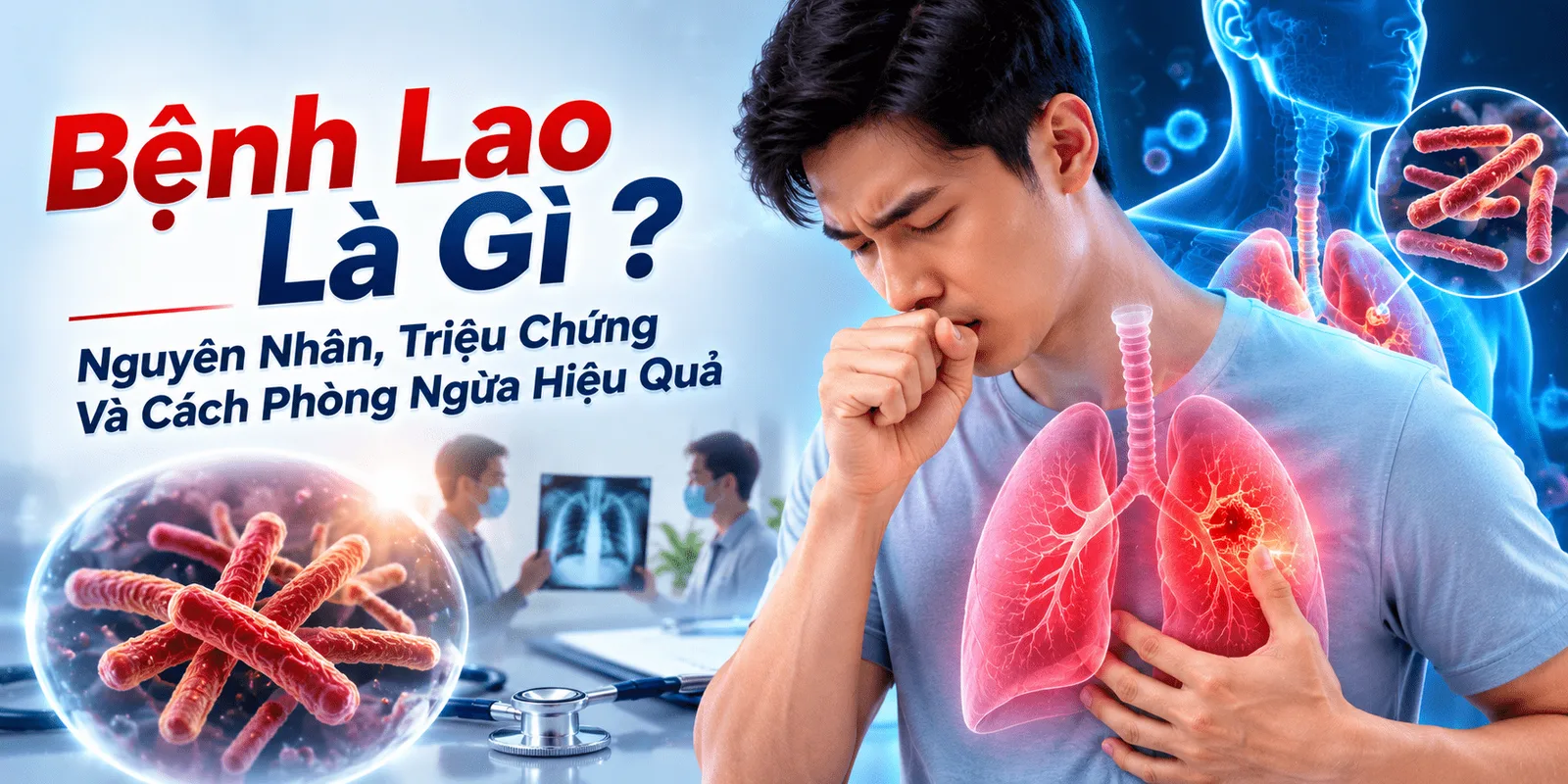
Tuberculosis is one of the oldest infectious diseases but remains a public health issue in many countries around the world. Although effective treatment methods are now available, millions of new cases are reported each year due to late detection or lack of access to adequate healthcare services.
Understanding tuberculosis, recognizing early warning signs, and actively preventing it are important ways to protect your own health and that of the community. In this article, Love2Test.vn will help you fully understand the causes, symptoms, transmission routes, and effective prevention measures for tuberculosis.
What is tuberculosis?
Tuberculosis is an infectious disease caused by the bacterium Mycobacterium tuberculosis. This bacterium often attacks the lungs, but it can also affect other organs such as:

- Lymph nodes
- Bones and joints
- Brain membranes
- Kidneys
- Digestive system
Pulmonary tuberculosis is the most common form and is also the main source of infection in the community.
If not detected and treated in time, tuberculosis can cause serious damage to health, reduce quality of life, and even threaten life.
Signs of tuberculosis
One of the difficulties with tuberculosis is that its symptoms often appear gradually and can be easily mistaken for common respiratory diseases.
Common symptoms include:
- Cough lasting more than 2 weeks
- Cough with phlegm or coughing up blood
- Low-grade fever, often occurring in the afternoon
- Excessive night sweats
- Prolonged fatigue
- Lack of appetite
- Unexplained weight loss
- Chest pain or difficulty breathing
When these symptoms appear, especially prolonged coughing, patients should seek medical attention early for an accurate diagnosis.
How is tuberculosis transmitted?
Tuberculosis is mainly transmitted through the respiratory tract.
When a person with active pulmonary tuberculosis:
- Coughs
- Sneezes
- Talks
- Spits
Particles containing the tuberculosis bacteria are released into the air. Others who inhale these particles may become infected with the tuberculosis bacteria.
However, not everyone infected with the tuberculosis bacteria develops the disease. In many cases, the bacteria remain in a dormant state and do not cause symptoms.
The risk of developing the disease increases when the immune system is weakened.
Who is at high risk of tuberculosis?
Some groups of people are at high risk of tuberculosis, including:
People living with HIV
HIV weakens the immune system, making it harder for the body to control the tuberculosis bacteria. This is one of the groups at the highest risk of developing tuberculosis.
People with chronic diseases
Conditions such as:
- Diabetes
- Renal failure
- Cancer
- Malnutrition
can all increase the risk of developing tuberculosis.
Smokers and people who abuse alcohol
Tobacco use damages the lungs and reduces the natural protective abilities of the respiratory system.
People living in crowded environments
Places with poor ventilation, high population density, or limited hygiene conditions can increase the risk of tuberculosis infection.
Healthcare workers and caregivers of tuberculosis patients
Frequent exposure to people with tuberculosis increases the risk of bacterial exposure.
Can tuberculosis be cured?
The answer is yes.
Currently, tuberculosis can be completely cured if detected early and treated according to the correct regimen.
Patients usually need:
- To take anti-tuberculosis medication continuously for 6 months or more
- To have regular follow-up appointments as directed
- To strictly follow the treatment regimen
Stopping medication on your own or not completing treatment can lead to drug-resistant tuberculosis, making treatment much more complicated.
Effective prevention measures for tuberculosis
BCG vaccine
Vaccinating newborns with the BCG vaccine helps reduce the risk of developing severe forms of tuberculosis.
Maintain a well-ventilated living environment
Living spaces should be:
- Well-ventilated
- Have natural light
- Avoid damp conditions
Wear a mask when necessary
Wearing a mask when in contact with people showing respiratory symptoms or in high-risk environments helps reduce the risk of infection.
Maintain a healthy immune system
A healthy lifestyle with:
- A nutritious diet
- Regular exercise
- Sufficient sleep
will help the body increase its ability to resist tuberculosis bacteria.
Regular health check-ups
Especially for high-risk groups, regular health screening helps detect tuberculosis and other diseases early.
The relationship between HIV and tuberculosis
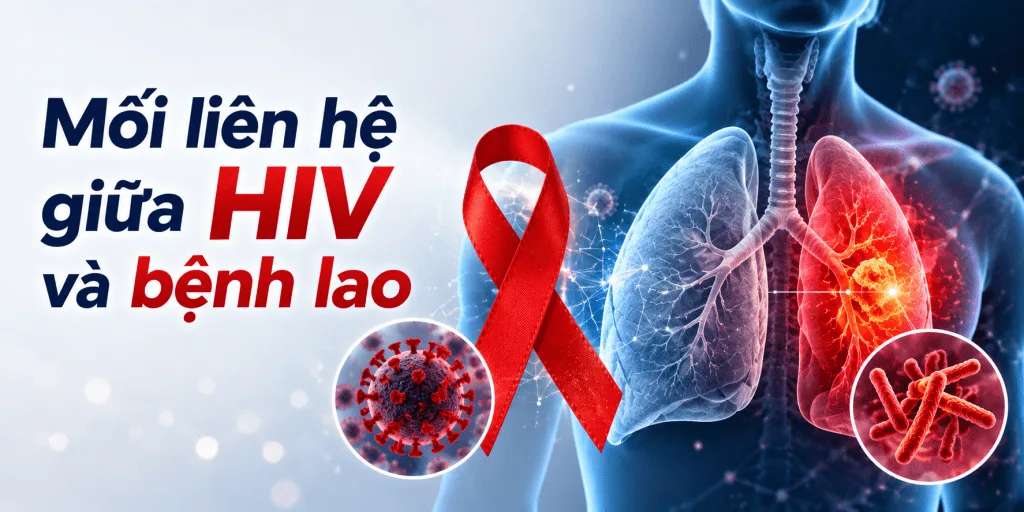
Tuberculosis is one of the most common opportunistic infections in people living with HIV.
When the immune system is weakened, the risk of developing tuberculosis increases significantly. Therefore, people at risk of HIV infection or living with HIV should:
- Have regular HIV testing
- Follow ARV treatment guidelines if infected with HIV
- Actively screen for tuberculosis when symptoms are suspected
At Love2Test.vn, you can learn more about HIV, HIV testing, PrEP, PEP, and other reliable public health information to comprehensively protect your health.
Observing World Tuberculosis Day
March 24th is chosen as World Tuberculosis Day to raise public awareness about this disease.
Each person can contribute to tuberculosis prevention by:
- Learning accurate knowledge about tuberculosis
- Encouraging people with symptoms to seek medical attention early
- Supporting patients in adhering to treatment
- Actively protecting your own and your family's health
Conclusion
Tuberculosis remains a medical challenge in many countries, but it can be effectively prevented and treated if detected early. Recognizing warning signs, understanding transmission routes, and adhering to treatment are important factors in reducing the disease burden in the community. In addition, maintaining a healthy lifestyle, having regular health check-ups, and accessing accurate health information from Love2Test.vn will help each person be more proactive in protecting their health.
This article provides general information. For decisions about diagnosis, medicines or treatment, consult a qualified healthcare professional. Service availability and costs can change; confirm with the provider before booking. Our editorial approach