

Chemsex in the LGBTQ+ Community: Health Risks and Safety
Chemsex in the LGBTQ+ community poses significant health risks. Learn about its impacts, HIV/STI risks, and ways to reduce harm.

On this page
Chemsex, or the use of stimulants to enhance sexual experiences, has become a widely discussed issue within the LGBTQ+ community in recent years. Drug use in this context often aims to increase pleasure, reduce anxiety, or boost confidence during sexual activity. However, Chemsex poses serious risks to physical and mental health and increases the risk of contracting sexually transmitted infections (STIs) such as HIV and other infectious diseases.
Understanding the nature of Chemsex, its effects, and harm reduction measures is essential, especially for the LGBTQ+ community — who may require support from the community and related organizations to create a safe environment and raise awareness. With sufficient knowledge and awareness, we can collectively create a space to prevent risks, reduce harm, and promote sustainable sexual health.
What is Chemsex?
Chemsex refers to the use of stimulants to enhance sexual experiences. The term 'Chemsex' is a combination of 'Chemicals' (chemicals) and 'Sex' (sex), implying the use of drugs during sexual activity to stimulate emotions and increase pleasure. This behavior often appears in the LGBTQ+ community, especially among men who have sex with men (MSM).

Substances commonly used in Chemsex
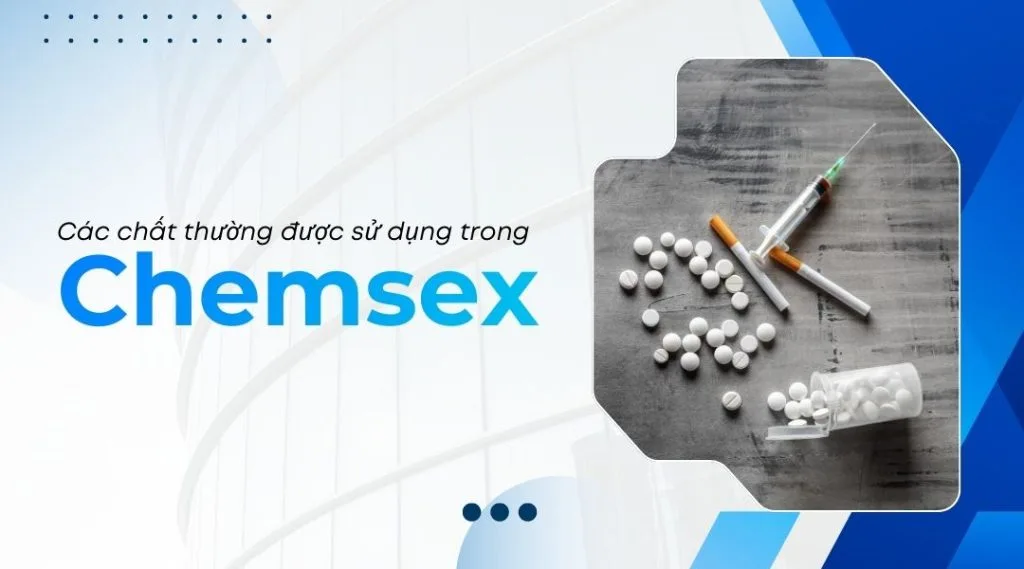
The substances used in Chemsex are mainly central nervous system stimulants that increase excitement and euphoria:
MDMA (Ecstasy)
Also known as ecstasy. MDMA stimulates positive emotions and a sense of connection, making users feel emotionally warm and more open. Physiological effects include increased heart rate, increased blood pressure, increased body temperature, and reduced pain perception.
Methamphetamine (Crystal Meth)
A strong stimulant that helps users stay alert, full of energy, and prolong sexual activity. Methamphetamine strongly affects the central nervous system, reducing self-control and increasing the risk of unsafe sexual behavior and STI transmission.
Ketamine
A strong sedative that reduces anxiety and creates a floating sensation. However, Ketamine reduces awareness and decision-making ability, increasing the risk of accidents and risky sexual behavior.
Effects of stimulants during sexual activity
- Enhanced sensation: These substances increase stimulation, making the sexual experience more intense.
- Reduced anxiety and stress: Users may feel more relaxed and confident during sexual activity.
- Impaired judgment: Under the influence of stimulants, users are more likely to make unsafe decisions, increasing the risk of HIV and STI transmission.
Chemsex may aim to enhance pleasure and relaxation, but the misuse of stimulants poses high risks, especially with prolonged use.
Causes and motivations for the popularity of Chemsex in the LGBTQ+ community
- Increased sexual confidence: Many people feel anxious, insecure, or stressed during sexual activity, especially in the context of sexual orientation not fully accepted by society. Stimulants help them feel more comfortable and open.
- Misconceptions about enhancing pleasure: Some people believe that drugs enhance sexual experiences. However, this belief carries risks due to negative effects on awareness and safe behavior.
- Social and cultural factors: Social stigma may lead some people to seek out smaller communities where they feel accepted. In some cases, Chemsex becomes part of this subculture.
Impact of Chemsex on physical and mental health
Chemsex directly affects overall health. Stimulants like Methamphetamine, GHB, or Ketamine can cause arrhythmia, increased blood pressure, acute dehydration, and long-term complications such as memory loss, early brain damage, and chronic liver and kidney disease.
Participants in Chemsex often suffer from prolonged lack of sleep, leading to weakened immunity. Regarding mental health, they are at high risk of developing anxiety disorders, depression, hallucinations, and substance dependence, leading to life imbalance.
Prevention and harm reduction in Chemsex
Although Chemsex poses risks, harm reduction measures can help protect health:
- Use condoms and PrEP: Condoms effectively prevent HIV and STIs. PrEP reduces the risk of HIV infection by up to 99% if used consistently.
- Have a safety support system: Being with trusted friends helps monitor health status and handle overdose symptoms.
- Plan and use safely: Use appropriate dosages, understand side effects, and avoid combining multiple substances at once.
Supporting the LGBTQ+ community for safety
- Support from government agencies and organizations: Promote research, provide HIV testing services, PrEP, and harm reduction communication.
- LGBTQ+-friendly policies: Develop comprehensive sex education, non-discriminatory healthcare services, and support for addiction treatment and mental health.
- Safe and friendly environment: Establish community counseling centers and build peer support networks.
Chemsex and the risk of HIV and STI transmission
Chemsex is closely linked to the risk of HIV and STI transmission. Reduced behavioral control leads many to have sex without using condoms or with multiple partners. Some substances reduce pain sensation, leading to longer and more aggressive sexual activity, causing mucosal damage and increasing infection risk. Additionally, sharing needles in some groups increases the transmission of HIV, hepatitis C, and other blood-borne diseases.
Raising awareness about Chemsex within the LGBTQ+ community is essential. Understanding the risks, applying preventive measures such as condoms, PrEP, and accessing medical-social support will help reduce harm and protect sexual health. When equipped with knowledge and appropriate support, the LGBTQ+ community can live safely, healthily, and improve their quality of life in a respectful and equal environment.
References
- Bourne, A., Reid, D., Hickson, F., Torres-Rueda, S., Steinberg, P., & Weatherburn, P. (2015). Chemsex and harm reduction need among gay men in South London. International Journal of Drug Policy, 26(12), 1171–1176. https://doi.org/10.1016/j.drugpo.2015.07.013
- Edmundson, C., Heinsbroek, E., Glass, R., Hope, V., Mohammed, H., White, M., & Desai, M. (2018). Chemsex in the UK: Prevalence of use and associations with health harms. International Journal of Drug Policy, 55, 131–138. https://doi.org/10.1016/j.drugpo.2018.02.001
This article provides general information. For decisions about diagnosis, medicines or treatment, consult a qualified healthcare professional. Service availability and costs can change; confirm with the provider before booking. Our editorial approach