

CD4 Count and Viral Load: Understanding HIV Monitoring
Understand what CD4 count and viral load tell you about HIV, how treatment affects them and why regular monitoring matters.

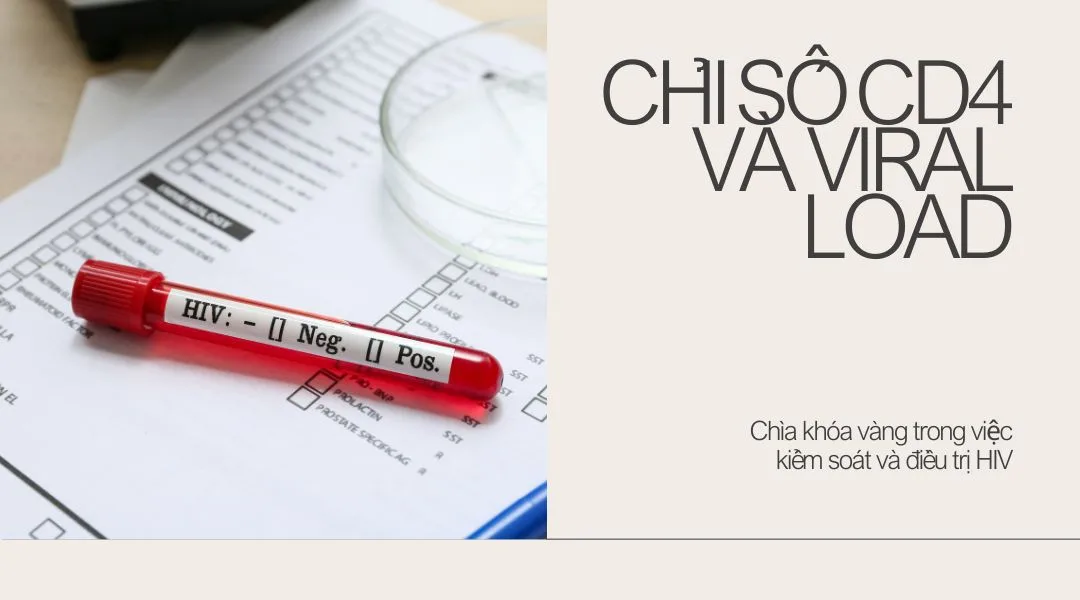
On this page
In the journey of treating and living with HIV, the two concepts of CD4 count and Viral Load play the most important role. Understanding the relationship between them not only helps patients understand their health status but also serves as a basis for doctors to develop optimal treatment protocols. The article below will provide a detailed analysis of the significance, importance, and ways to optimize these indicators.
What is CD4? The Body's Defense System
CD4 (full name Cluster of Differentiation 4), often referred to as helper T-cells, is a special type of white blood cell in the immune system.
Role of CD4 cells:
- Immune coordination: CD4 acts as a 'commander-in-chief,' identifying foreign agents such as bacteria, fungi, and viruses, then activating other cells to eliminate them.
- Protecting the body: A stable CD4 count helps the body prevent common opportunistic infections.
When the HIV virus enters, it uses CD4 cells to replicate and then destroys these cells. Without medical intervention, the CD4 count will gradually decrease, leading to immune system paralysis and eventually the AIDS stage.

What is Viral Load (VL)? A Measure of Viral Activity
Viral Load (VL) or viral load, is an indicator that measures the number of HIV virus copies in 1 ml of blood.
Significance of Viral Load levels:
- High viral load: Indicates that the virus is replicating strongly, the immune system is being attacked intensely, and the risk of transmission to others is very high.
- Low viral load: Indicates that the body is responding well to antiretroviral drugs (ARV).
- Undetectable (U=U): When the viral load is below 50 copies/ml, this condition is referred to as 'undetectable.' At this level, the virus no longer has the ability to attack the immune system and cannot be transmitted through sexual contact (Undetectable = Untransmittable).
The Correlative Relationship Between CD4 and Viral Load
The CD4 count and Viral Load are always inversely related:
- When Viral Load increases: The HIV virus destroys CD4 cells faster than the body can regenerate them, leading to immune system decline.
- When Viral Load decreases (due to ARV): The immune system has the opportunity to recover, and CD4 cell counts will gradually increase, helping the body regain health.
Treatment Goals and the Golden Rule in HIV Treatment

The core goal of antiretroviral therapy (ARV) is to completely control the viral load to protect the CD4 count.
Specific Goals:
- Maximizing viral suppression: Bringing the viral load down below the detection threshold and maintaining this state for as long as possible.
- Immune recovery: Helping the CD4 count return to a safe level (usually above 500 cells/mm³).
- Improving quality of life: Reducing the risk of opportunistic infections and extending life expectancy to match that of uninfected individuals.
Treatment Adherence Principles:
To achieve the above goals, patients must strictly adhere to:
- Taking medication on time: Maintaining stable drug levels in the blood to suppress the virus 24/7.
- Not missing doses: Missing doses, even a few times, can lead to drug resistance, making future treatment protocols more difficult.
- Medical consultation: Always consult with healthcare professionals about side effects to handle them promptly, rather than stopping medication on their own.
The Importance of Regular Monitoring
After starting an ARV regimen, regular testing (usually every 3-6 months) is mandatory to:
- Check the effectiveness of the medication.
- Detect drug resistance early if present.
- Evaluate the level of immune system recovery through the CD4 count.
Conclusion
Understanding CD4 count and Viral Load helps people living with HIV be more proactive in managing their health. With the advancements of modern medicine, maintaining an undetectable viral load not only helps you live a healthy, long life but also protects the people around you.
Further reading
This article provides general information. For decisions about diagnosis, medicines or treatment, consult a qualified healthcare professional. Service availability and costs can change; confirm with the provider before booking. Our editorial approach