Health
Chlamydia: Causes, Symptoms and Treatment
Learn about chlamydia, how it spreads, symptoms that may go unnoticed, testing, treatment and ways to reduce the risk of reinfection.
Updated


On this page
Chlamydia is a common sexually transmitted infection (STI) worldwide. It is caused by the bacterium Chlamydia trachomatis. Each year, millions of people are affected by this disease. Understanding the benefits of HIV testing and screening for diseases like Chlamydia helps protect health better.
Causes of the disease and transmission routes
The Chlamydia bacterium enters the body through open mucous membranes. Below are the main transmission routes of the disease:
- Unsafe sexual contact: Includes vaginal, anal, or oral sex.
- Contact with secretions: The bacterium is present in semen, vaginal secretions, or secretions from the eyes of an infected person.
- From mother to child: Pregnant women can transmit the bacterium to their newborn during childbirth.
Why is Chlamydia called a "Silent" disease?

Chlamydia often does not cause clear symptoms. Many people are infected without knowing. This leads to a high risk of spreading the infection to sexual partners.

If not treated promptly, the disease can cause serious complications:
- Pelvic inflammatory disease (PID): Causes damage to reproductive organs in women.
- Infertility: Chlamydia is the leading cause of infertility in both men and women.
- Increased risk of HIV infection: Inflamed mucous membranes make it easier for the HIV virus to enter the body.
Symptoms to identify Chlamydia
Although it often has no signs, some people may experience the following symptoms:
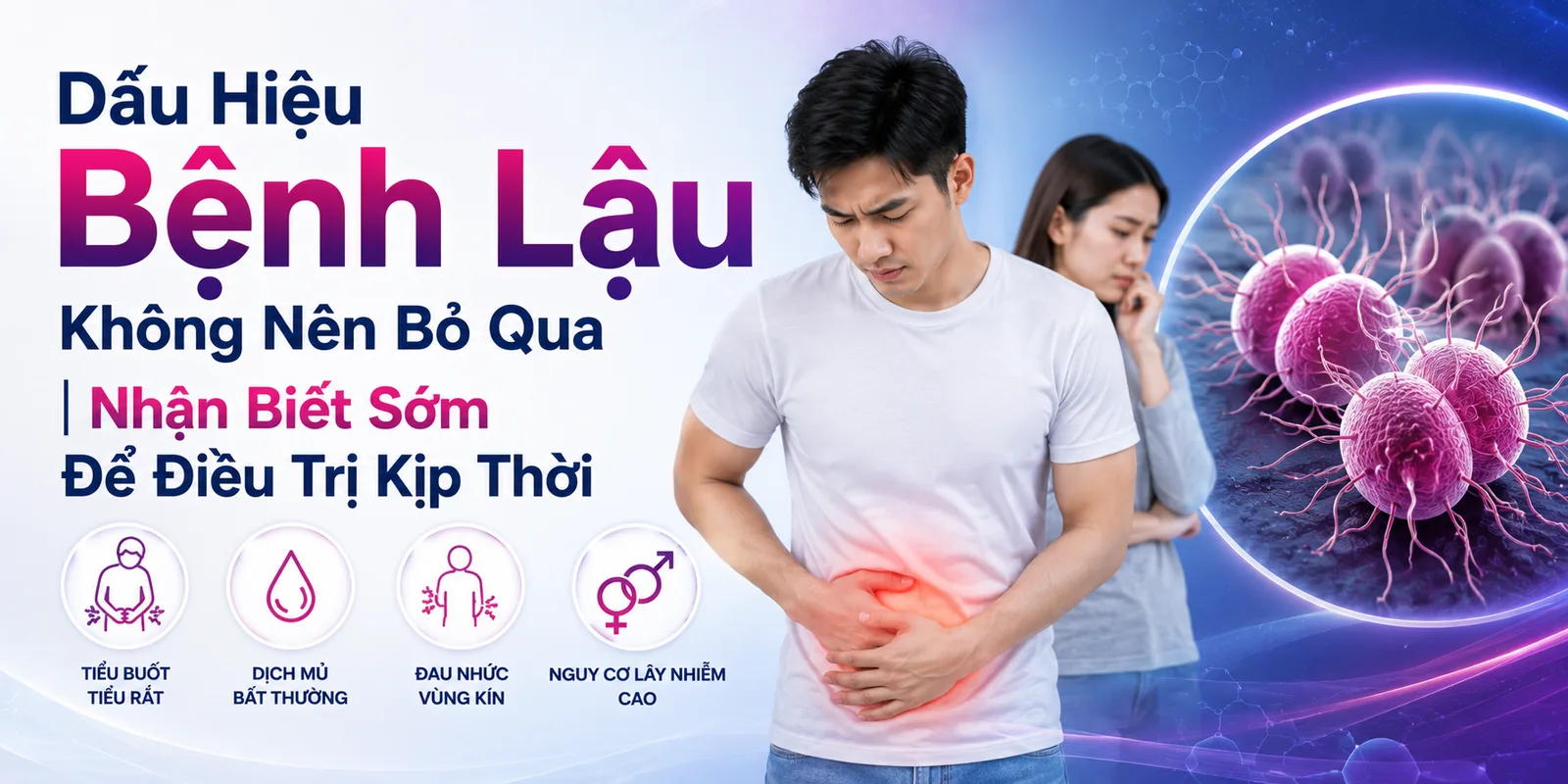
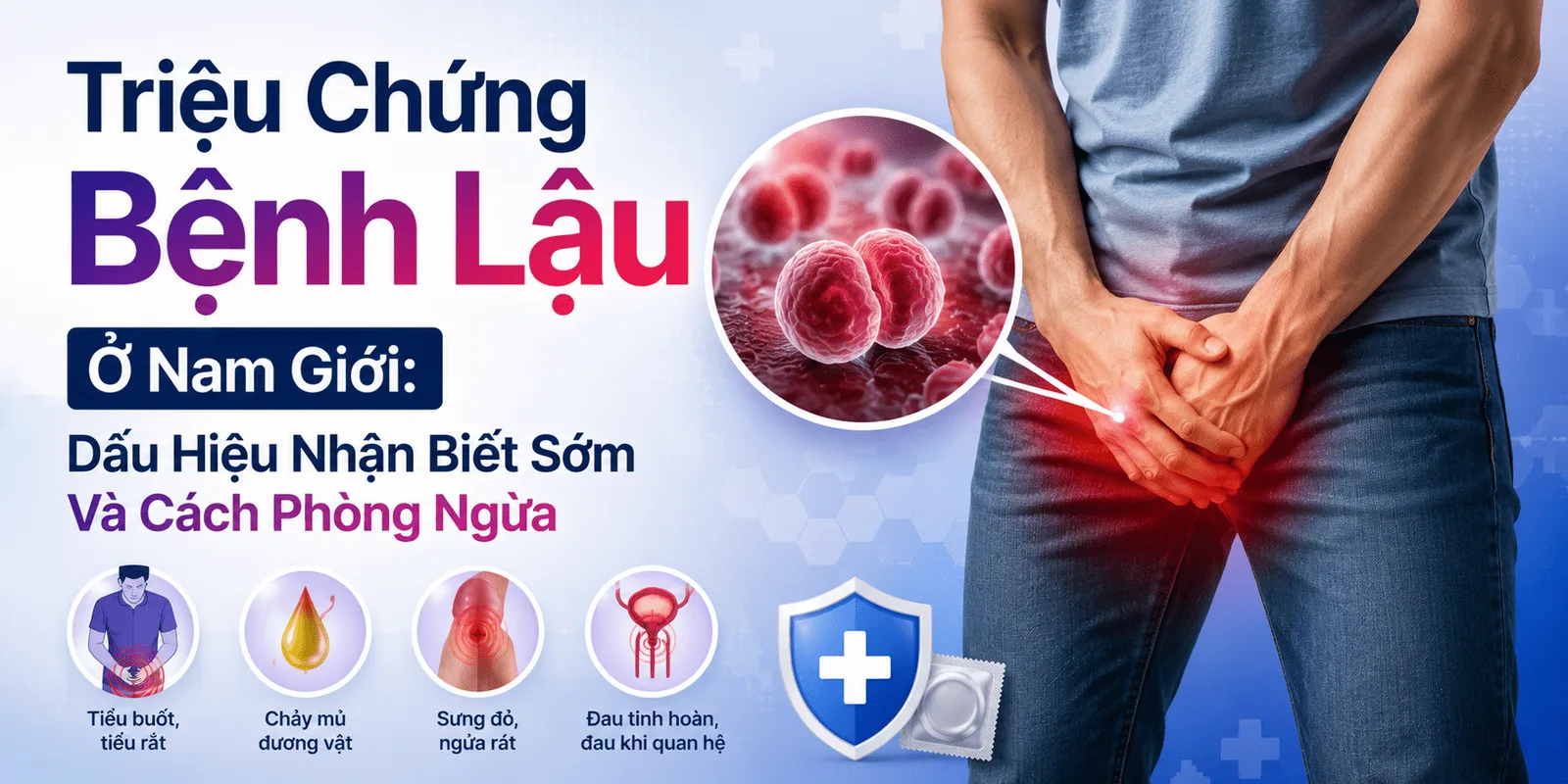
- In men: A burning sensation when urinating or unusual discharge from the penis.
- In women: Changes in vaginal discharge, pelvic pain, or bleeding outside of the menstrual cycle.
- Genital tract infection: Sore throat (if transmitted through the mouth) or anal pain (if transmitted through the anus).
Diagnosis and complete treatment methods
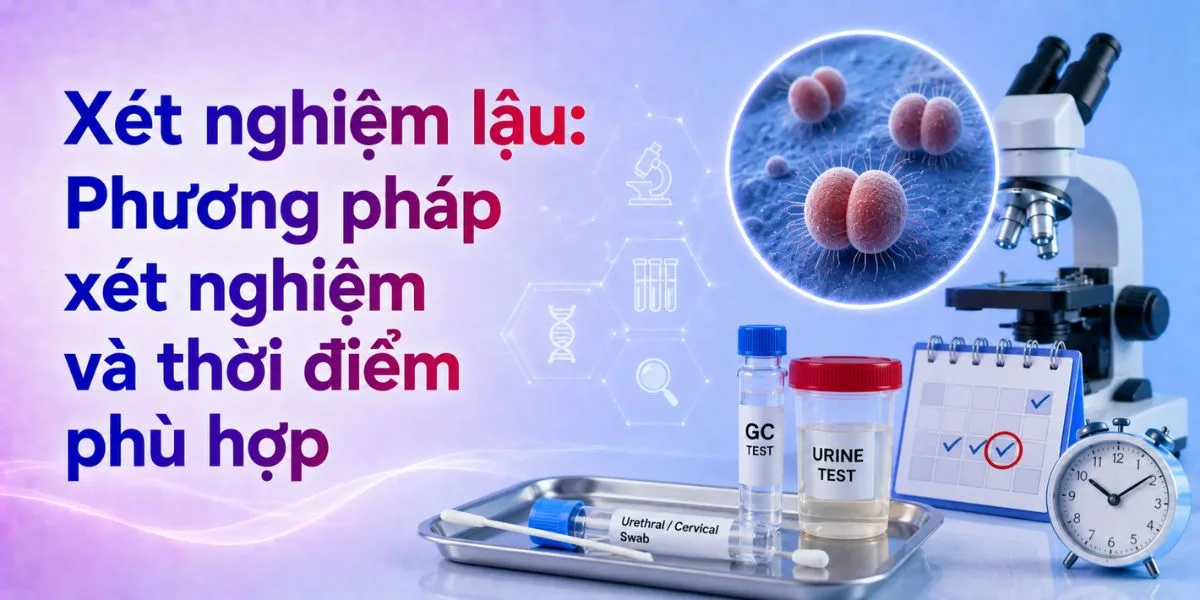
Diagnosing the disease today is simple and provides quick results. Doctors usually use urine samples or mucosal swabs to test for the bacterium.
- Use of antibiotics: Chlamydia can be completely cured with antibiotics prescribed by a doctor.
- Treatment for sexual partners: You need to inform your sexual partner so that they can also be examined and treated at the same time.
- Avoid sexual activity during treatment: This helps prevent reinfection and spreading the infection to others.
Conclusion
Chlamydia is a major challenge for global sexual health. Carrying out the benefits of HIV testing combined with regular screening for STIs is very important. Take proactive steps to protect yourself and the community by practicing safe sex and regularly checking your health.
Further reading
This article provides general information. For decisions about diagnosis, medicines or treatment, consult a qualified healthcare professional. Service availability and costs can change; confirm with the provider before booking. Our editorial approach
Published by Love2Test — Accessible sexual health information