Health
Chlamydia Treatment: Testing, Antibiotics and Follow-Up
Complete guide to Chlamydia treatment: antibiotic regimens such as Azithromycin, Doxycycline, NAATs testing, and prevention of reinfection.
Updated


On this page
Sexually transmitted diseases remain an important health issue but are often overlooked in society, especially Chlamydia – one of the most common diseases today but rarely discussed. The worrying aspect is that the disease often does not have clear symptoms, especially in women, causing many people not to know they are infected. This situation can silently progress and lead to serious complications such as infertility, pelvic inflammatory disease, or increase the risk of HIV infection. However, the good news is that Chlamydia treatment is not as difficult as many people think. If detected early, using antibiotics as prescribed by a doctor can help completely cure the disease effectively. Early treatment not only eliminates the infection but also helps prevent long-term effects on reproductive and sexual health.
Why is early treatment of Chlamydia important?
Many people are careless because they do not have symptoms, so they think the disease is not dangerous. In reality, if Chlamydia is not treated in time, it can cause serious long-term health problems. The reasons for early treatment include:
Easier to treat ▸ When detected in the early stage, Chlamydia treatment is quite simple. It only takes a few days of using antibiotics as prescribed to completely recover. If the disease progresses, the treatment time will be extended and the risk of unnecessary side effects will increase.

Reduce transmission ▸ If not treated, the bacteria can easily spread to your partner. Early treatment not only protects your own health but also protects the people you love.
Prevent complications ▸ Early treatment helps prevent dangerous complications such as infertility, pelvic inflammatory disease (PID), or ectopic pregnancy in women.
Reduce treatment costs ▸ Early detection and treatment help avoid additional costs due to complications or prolonged treatment.
Facts about Chlamydia
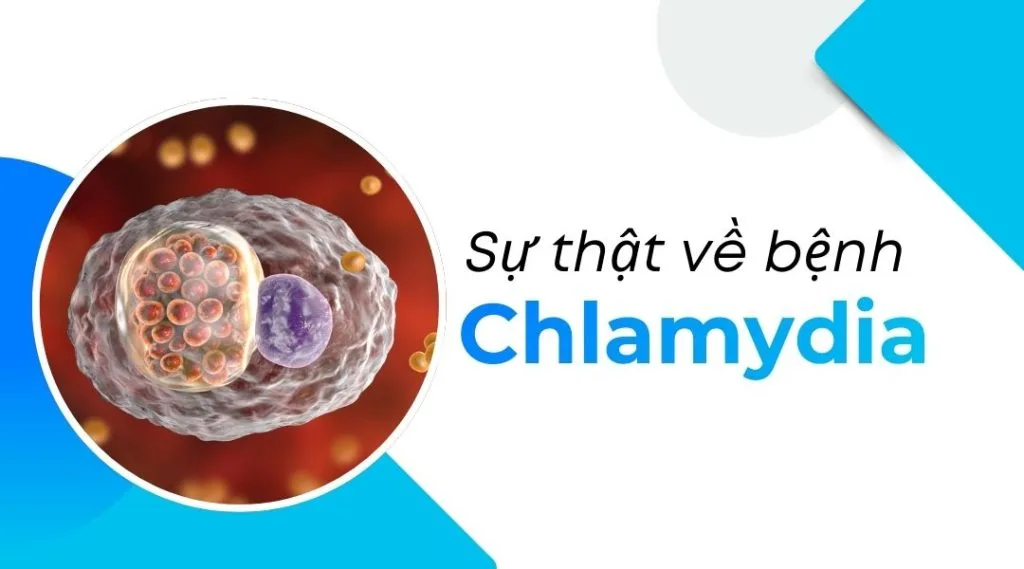
Chlamydia is a sexually transmitted disease caused by the bacterium Chlamydia trachomatis and is one of the most common diseases worldwide. Although common, many people do not know they are infected because they often do not have clear symptoms.
The disease can be transmitted through unprotected sexual contact via the vaginal, anal, or oral route. The bacteria can also be passed from mother to child during childbirth, putting newborns at risk of conjunctivitis or respiratory tract infections.
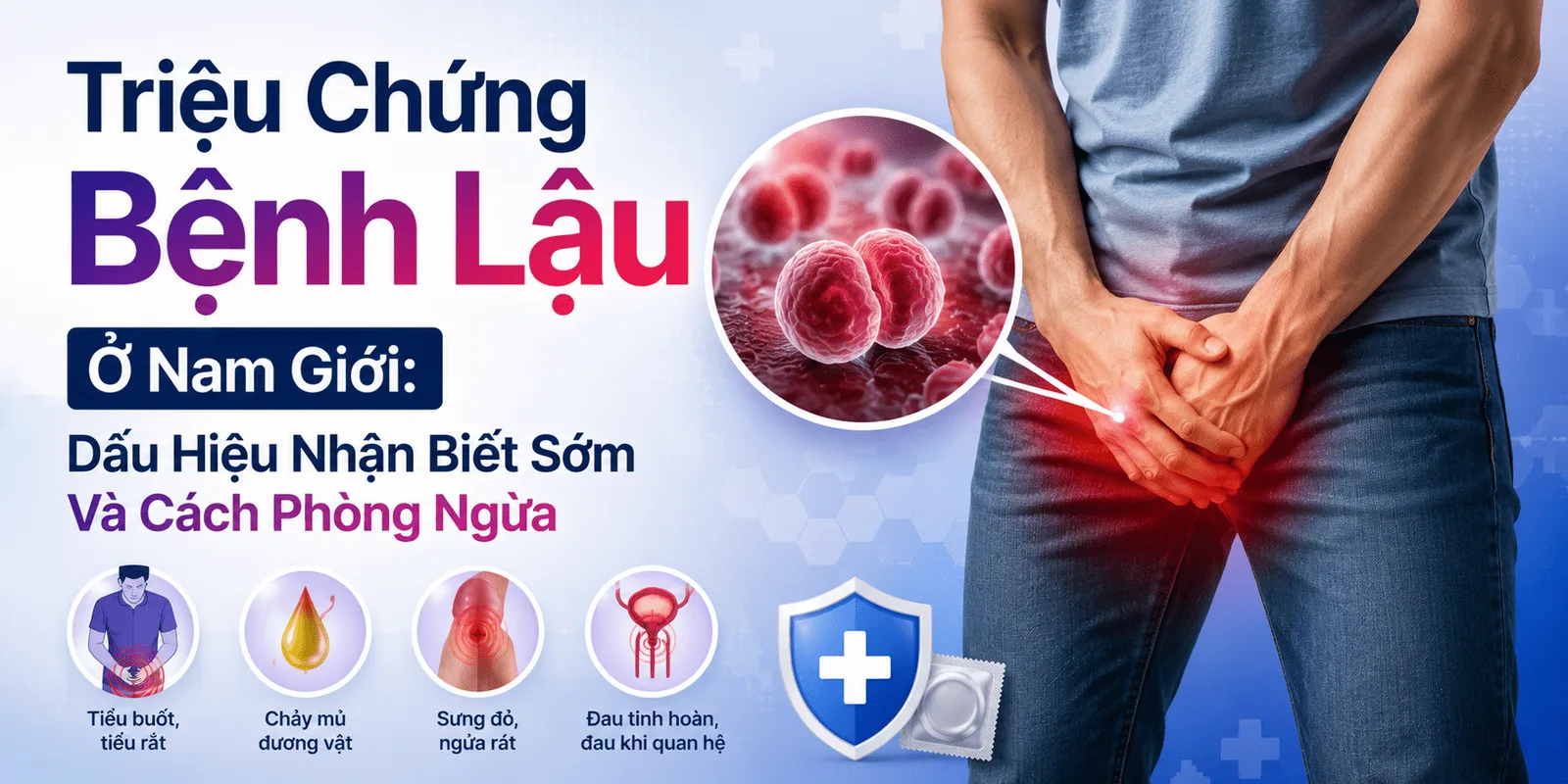
Some cases may show symptoms such as:
- Burning or stinging when urinating
- Abnormal vaginal discharge in women
- Pus-like discharge from the penis in men
- Lower abdominal pain
- Pain during sexual intercourse
Testing for Chlamydia treatment
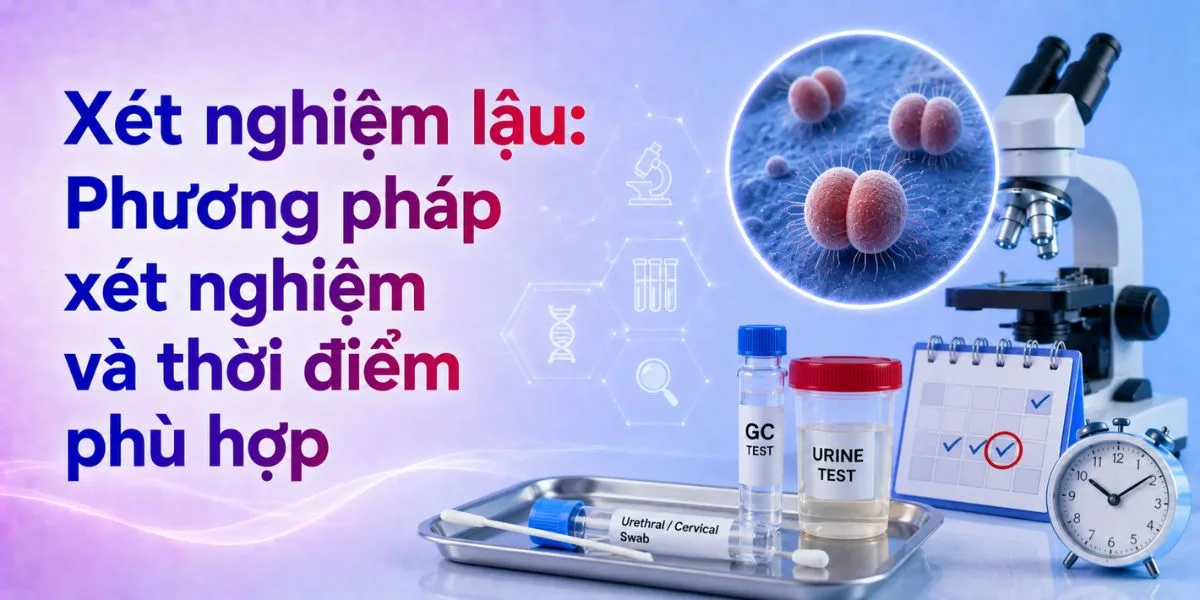
Because the disease often has no symptoms, testing is the most accurate way to diagnose it. Common methods include:
Urine test: A urine sample is taken to check for the presence of bacteria.
Swab test: A sample is taken from the cervix, vagina, urethra, or anus for testing.
NAATs test (Nucleic Acid Amplification Tests): This is the "gold standard" with high sensitivity and specificity, capable of detecting the bacteria even when the quantity is very low.
If the infection is detected, the doctor will prescribe appropriate antibiotic treatment. People at high risk should have regular check-ups to prevent complications and reduce the spread.
When is Chlamydia treatment needed?

Although often asymptomatic, you should see a doctor and get treated for Chlamydia immediately if you have the following symptoms:
- Burning or frequent urination
- Unusual vaginal discharge with an odor, yellow or green color
- Abnormal pus-like discharge from the male genitalia
- Prolonged lower abdominal pain
- Unusual bleeding between menstrual periods or after sexual intercourse
- Sore throat or anal pain after oral or anal sex
Chlamydia treatment methods
Standard treatment involves using antibiotics as prescribed by a healthcare provider. Patients must strictly follow the treatment regimen and avoid sexual activity during treatment.
1. Antibiotics:
- Azithromycin: Usually a single dose.
- Doxycycline: Taken continuously for 7 days, highly effective.
- Some cases may use Erythromycin or Levofloxacin.
2. Partner treatment:
Partners should also be tested and treated simultaneously to prevent reinfection.
3. Follow-up:
Doctors usually recommend a follow-up check after 3 months to ensure successful treatment.
4. Prevention of reinfection:
Avoid sexual activity for at least 7 days or until both partners have completed treatment, and use condoms during sexual activity.
Notes when treating Chlamydia

- Do not self-medicate with antibiotics.
- Take the full prescribed dose of medication, do not stop midway.
- Attend follow-up appointments as scheduled.
- Practice safe sex to prevent other sexually transmitted diseases such as gonorrhea, syphilis, or HIV.
Preventing reinfection after treatment
- Use condoms every time you have sex.
- Have regular sexual health check-ups every 6 months if at high risk.
- Limit the number of sexual partners.
- Have open communication with your partner about sexual health.
Chlamydia treatment is not complicated if detected early. By using antibiotics correctly as prescribed by a doctor, the disease can be completely cured. Early detection, simultaneous treatment for partners, and timely follow-up are key factors in preventing reinfection and protecting long-term reproductive health.
Further reading
This article provides general information. For decisions about diagnosis, medicines or treatment, consult a qualified healthcare professional. Service availability and costs can change; confirm with the provider before booking. Our editorial approach
Published by Love2Test — Accessible sexual health information