

HIV and AIDS: What Is the Difference?
HIV and AIDS are two easily confused concepts. Learn about the differences between HIV and AIDS, symptoms, testing methods, and effective treatments.

On this page
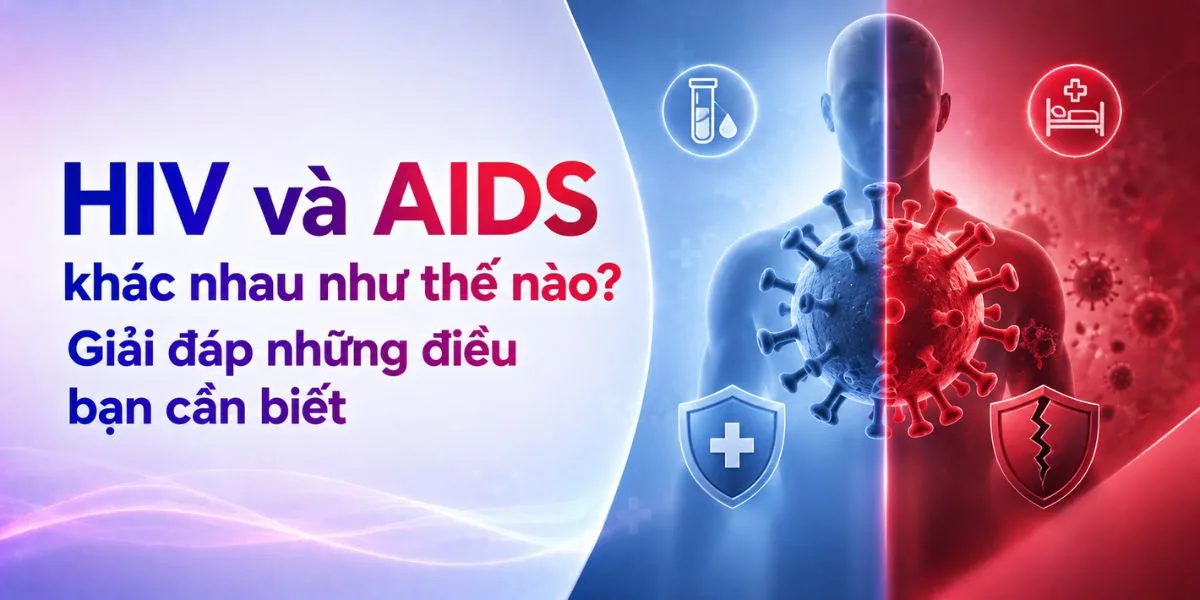
Many people often confuse HIV and AIDS, thinking that it is a single disease. In reality, HIV is a virus that causes immune deficiency, while AIDS is the most severe and final stage when the immune system has been severely damaged by the virus. Understanding the difference between HIV and AIDS helps patients be more proactive in testing, treatment, and extending their lifespan.
The article below will explain in detail the relationship between HIV and AIDS, the stages of the disease, symptoms to recognize, as well as current testing and treatment methods.
What is HIV and AIDS, and how are they different
HIV (Human Immunodeficiency Virus) is a virus that directly attacks the immune system of the body, especially CD4 cells – a type of white blood cell that plays an important role in fighting infections. When the number of CD4 cells decreases severely, the body loses its ability to protect itself from common pathogens.

AIDS (Acquired Immunodeficiency Syndrome) is the final stage of HIV infection, when the immune system has weakened to the point where it cannot fight off opportunistic infections or cancers. In other words, not everyone infected with HIV will progress to AIDS, especially if they receive antiretroviral (ARV) treatment early and correctly.
Causes and transmission routes of HIV
HIV is transmitted through three main routes: unsafe sexual contact, direct contact with blood or bodily fluids of an infected person, and from mother to child during pregnancy, childbirth, or breastfeeding. Among these, unsafe sexual contact without protection is the most common transmission route today.
The HIV virus does not spread through common contact such as handshaking, hugging, sharing utensils, or mosquito bites. Understanding the correct transmission routes helps the community have an objective view and avoid unnecessary stigma towards people living with HIV.
Symptoms to recognize at different stages of HIV infection
The symptoms of HIV vary depending on the stage of the disease. Below are the common signs that patients may recognize:
- Acute stage: fever, sore throat, swollen lymph nodes, rash, prolonged fatigue 1–2 weeks after exposure
- Asymptomatic stage: the virus is still active but the body does not show clear symptoms
- Progressive stage: unexplained weight loss, prolonged diarrhea, recurring fever
- AIDS stage: severe opportunistic infections, cancers related to immune deficiency, severe physical decline
What is AIDS and when does HIV progress to AIDS
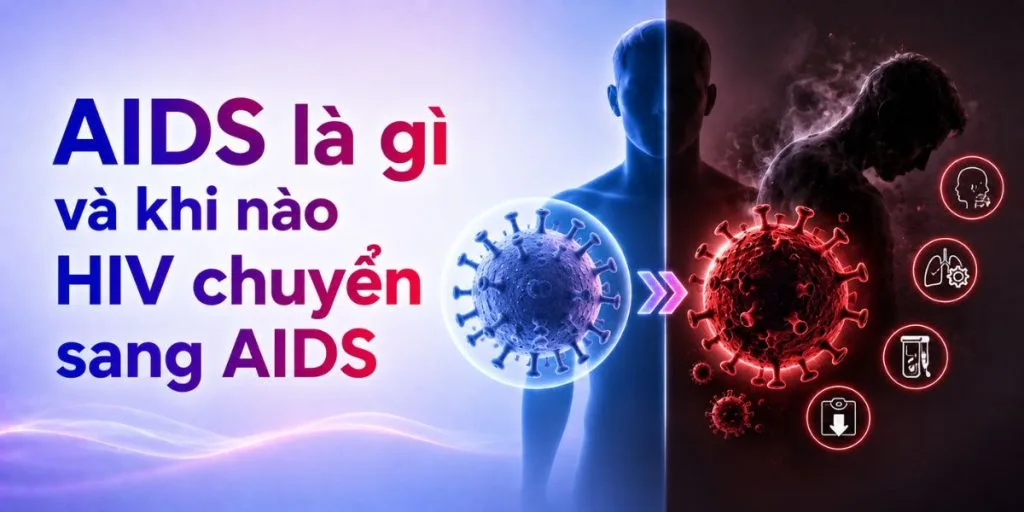
AIDS is diagnosed when the CD4 cell count in the blood drops below 200 cells/mm³, or when the patient develops characteristic opportunistic infections such as tuberculosis, fungal pneumonia, or certain cancers related to immune deficiency. This is the most dangerous stage in the progression of HIV.
Without treatment, the average time from HIV infection to progression to AIDS is about 8 to 10 years. However, due to the development of antiretroviral (ARV) drugs, many people living with HIV today can live healthily for decades without progressing to AIDS.
Comparison table of the differences between HIV and AIDS
To better understand the relationship and differences between HIV and AIDS, the table below summarizes the key characteristics that clearly distinguish these two concepts.
| Criteria | HIV | AIDS |
|---|---|---|
| Nature | Virus causing immune deficiency | Syndrome – the final stage of HIV infection |
| CD4 cells | May still be at normal or slightly reduced levels | Usually below 200 cells/mm³ |
| Symptoms | May not be clear for many years | Opportunistic infections, severe physical decline |
| Control possibility | Well-controlled with ARV drugs | Requires active treatment, worse prognosis |
HIV diagnostic testing methods
HIV testing is the only way to accurately determine whether a person is infected with the virus, as most cases do not show clear symptoms in the early stages. Common methods include antibody testing, combined antibody-antigen (Ag/Ab combo) testing, and PCR testing to directly detect the virus's genetic material.
According to the recommendations of World Health Organization (WHO), HIV testing should be done at least 2 to 4 weeks after the suspected exposure to ensure the highest accuracy. If the initial result is negative but there is still doubt, the patient should be tested again after 3 months.
Groups that should undergo regular HIV testing
Regular HIV testing helps detect the disease early, allowing for timely treatment and preventing the risk of progressing to AIDS. Some groups that should actively get tested regularly include:
- People who have unsafe sexual contact or multiple partners
- People who inject drugs or share needles with others
- Pregnant women who need screening to prevent mother-to-child transmission
- People whose partners have been diagnosed with HIV or other sexually transmitted infections
- Healthcare workers at risk of occupational exposure during work
Current treatment methods for HIV and AIDS
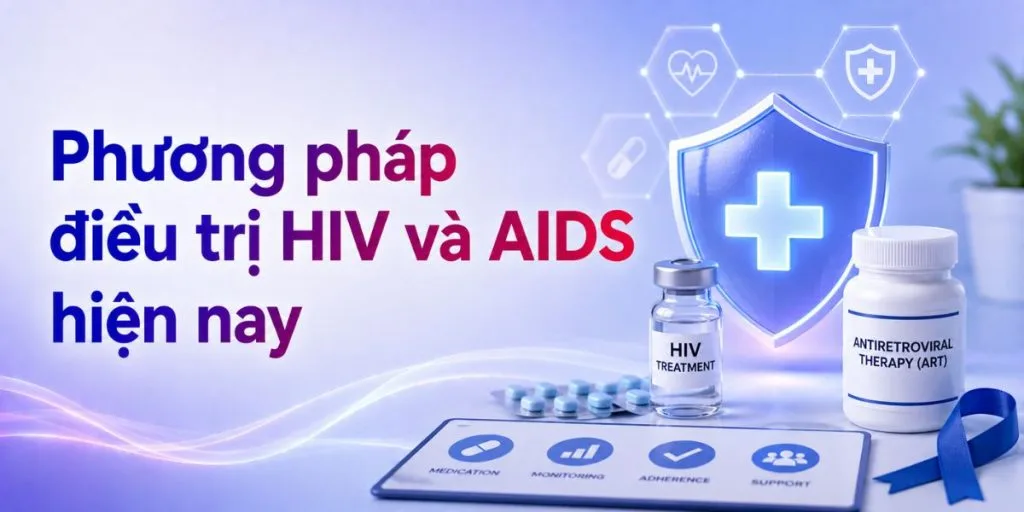
Currently, antiretroviral therapy (ART) is the main treatment method that helps control the replication of the HIV virus in the body. Patients need to follow treatment for life, taking medication on time and in the correct dosage to maintain low viral load, nearly undetectable in the blood.
For people who have progressed to AIDS, in addition to ART, doctors also combine treatment for opportunistic infections and strengthen nutrition and comprehensive care to improve the patient's quality of life and extend their lifespan.
Effective ways to prevent HIV transmission
Preventing HIV transmission starts with practicing safe sex, using condoms correctly during every sexual encounter. For high-risk groups, doctors may prescribe pre-exposure prophylaxis (PrEP) to significantly reduce the risk of infection.
In addition, avoiding sharing needles or reusing syringes, and screening blood before transfusion are important measures to prevent HIV transmission in the community.
Living with HIV: prognosis and quality of life
Thanks to modern medical advancements, people living with HIV who receive proper ART treatment can live healthily, work, and live normally like people without the disease. The average lifespan of people with well-treated HIV is now nearly the same as those without the virus.
In addition to medical treatment, psychological support, proper nutrition, and maintaining a healthy lifestyle also play an important role in helping people living with HIV improve their quality of life and minimize the risk of progressing to AIDS.
Further reading
This article provides general information. For decisions about diagnosis, medicines or treatment, consult a qualified healthcare professional. Service availability and costs can change; confirm with the provider before booking. Our editorial approach