

HIV and CD4: How Does the CD4 Count Affect Health?
How are HIV and CD4 related? Learn about the significance of CD4 count, low CD4 levels, CD4 testing, and the role of ARV in protecting the immune system.

On this page
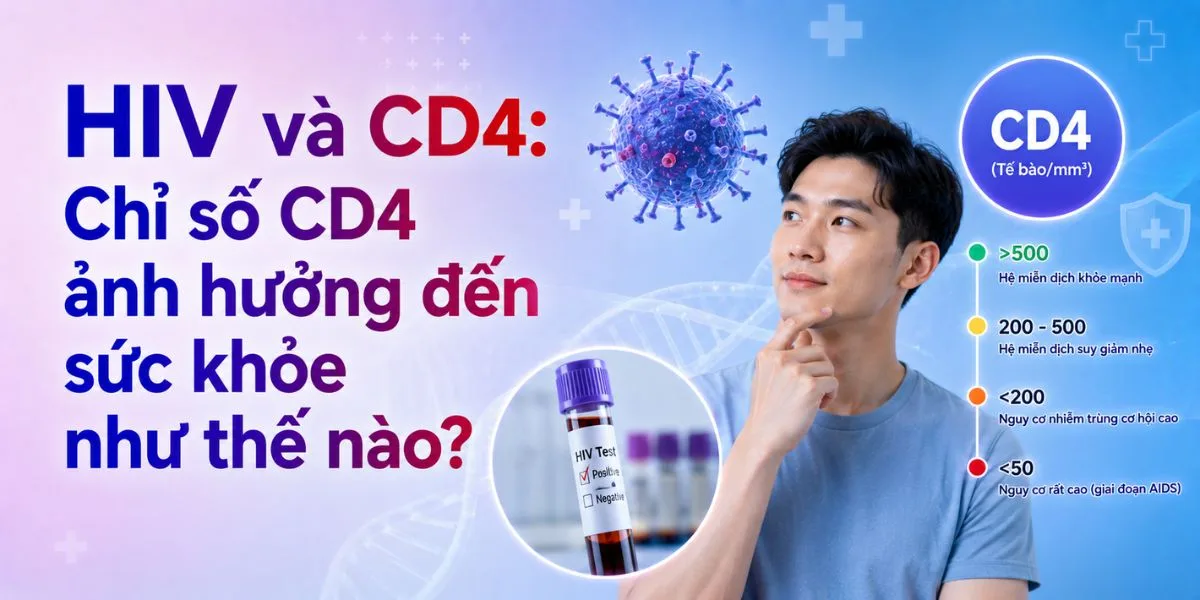
HIV and CD4 are closely related to the immune system. CD4 is a type of white blood cell. They play an important role in the body's ability to protect itself. However, HIV can enter and affect CD4 cells. If the virus is not controlled, the number of CD4 cells may decrease over time.
Therefore, CD4 testing helps assess the immune status of people living with HIV. The results can provide useful information for care. Additionally, CD4 is not the only indicator that needs to be monitored. Viral Load is also very important. This indicator reflects the amount of HIV in the blood.
Therefore, understanding HIV and CD4 helps readers interpret test results more accurately. At the same time, this knowledge helps avoid unnecessary anxiety when CD4 levels change.

How are HIV and CD4 related?
CD4 is a type of cell in the immune system. They help coordinate the body's protective response against many disease-causing agents.
Meanwhile, HIV has the ability to enter CD4 cells. After that, the virus uses the cells to create new copies.
If HIV continues to replicate, the number of CD4 cells may decrease. Therefore, the immune system may gradually weaken.
However, ARV drugs can control the HIV replication process. When treatment is effective, the viral load usually decreases significantly.
Thanks to this, the immune system has the opportunity to recover. Therefore, early and continuous HIV treatment is very important.
What is the CD4 count and what is CD4 testing for?
The CD4 count indicates the number of CD4 cells in a certain amount of blood. Usually, the results are expressed in cells/mm³ or cells/µL.
Firstly, this test helps assess the immune status. The lower the CD4 count, the more likely the body's ability to fight certain infections may decrease.
However, CD4 results can fluctuate. A single test does not always reflect the entire health status.
Additionally, doctors may consider the CD4 percentage in some cases. This information helps supplement the absolute CD4 count.
Therefore, results should be evaluated together with Viral Load and clinical status. Do not draw conclusions based solely on one number.
Important information that CD4 testing can provide
CD4 testing has many roles in HIV care. Especially, it helps assess the immune status of the patient.
- Tells the number of CD4 cells in the blood.
- Helps evaluate immune health.
- Helps determine the degree of immune suppression.
- Aids in assessing the risk of opportunistic infections.
- Helps doctors consider some preventive measures.
- Monitors the recovery of the immune system.
- Provides additional information for Viral Load.
- Aids in evaluating health at the time of new HIV diagnosis.
- Helps develop an appropriate monitoring plan.
- Aids in evaluating overall health when needed.
However, CD4 cannot replace Viral Load. The two tests provide different types of information.
How does HIV reduce CD4 cells?
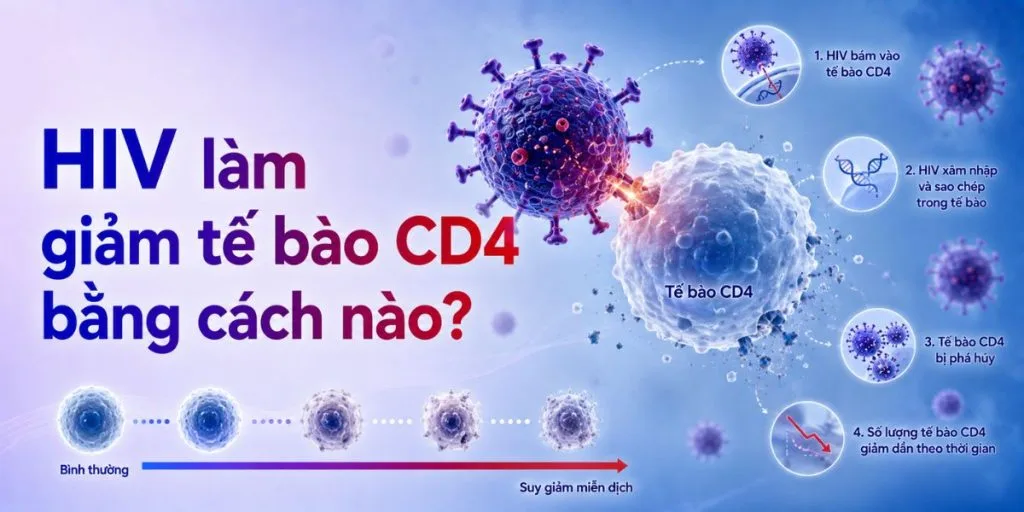
HIV has the ability to target cells with CD4 receptors. This is why the immune system can be affected if the virus is not controlled.
First, HIV enters the cell. Then, the virus uses the cell's system to create new copies.
Next, the new viruses can continue to enter other cells. This process can repeat many times.
Therefore, the number of CD4 cells may decrease over time. When CD4 levels drop, the risk of certain infections may increase.
However, ARV can interrupt the HIV replication process. Therefore, effective treatment helps protect the immune system.
Comparing CD4 and Viral Load when monitoring HIV
| Criteria | CD4 | Viral Load |
|---|---|---|
| Measurement | Number of CD4 cells | Amount of HIV in the blood |
| Reflects | Immune status | Level of HIV control |
| Test sample | Blood | Blood |
| When ARV is effective | May increase | Usually decreases |
| Related to opportunistic infections | Yes | Indirectly |
| Monitoring ARV effectiveness | Supports | Very important |
| Used to determine U=U | No | Directly related |
| Can fluctuate | Yes | Yes |
| Needs monitoring | Depending on condition | According to treatment plan |
| Should be read separately | No | No |
Overall, CD4 reflects immune health. While, Viral Load reflects the ability to control HIV.
Therefore, when exploring HIV and CD4, it is important to understand both indicators. They cannot completely replace each other.
What CD4 level is considered low?
CD4 levels can vary between individuals. Therefore, there is no single number suitable for evaluating all cases.
Normally, people with a healthy immune system may have CD4 levels within a fairly wide range. However, results should be evaluated by a doctor on a case-by-case basis.
Especially, CD4 below 200 cells/mm³ is an important threshold. At that point, the risk of certain opportunistic infections increases.
However, low CD4 does not mean the immune system cannot recover. Effective ARV treatment can help CD4 increase over time.
Therefore, if CD4 is low, continue to monitor and treat. Do not change medication based solely on test results.
What health issues should be noted when CD4 is low?
When CD4 decreases significantly, the immune system may become weaker. Therefore, the risk of certain infections may increase.
- Opportunistic infections may appear more easily.
- Prolonged fever needs to be evaluated.
- Prolonged cough needs to be checked.
- Unusual shortness of breath needs attention.
- Unexplained weight loss should be evaluated.
- Prolonged diarrhea needs to find the cause.
- Neurological symptoms need to be checked.
- The patient may need preventive measures in some cases.
- Regular follow-up appointments become more important.
- ARV should be maintained as directed.
However, you should not wait until CD4 is low to start HIV treatment. ARV is recommended for people living with HIV according to current guidelines.
How do ARV drugs help CD4 cells recover?
ARV does not directly create CD4 cells. Instead, the drugs help prevent HIV from continuing to replicate.
When HIV is controlled, the viral load decreases. Thanks to this, the pressure on the immune system also decreases.
Then, the body has more favorable conditions to recover. Therefore, CD4 may gradually increase after effective treatment.
However, the rate of CD4 increase varies between individuals. Some people recover faster than others.
Therefore, you should not compare your CD4 results with others. It is more important to monitor trends and Viral Load over time.
Why does CD4 increase slowly even when Viral Load is undetectable?
Some people have an undetectable Viral Load but CD4 still increases slowly. However, this does not automatically mean ARV is ineffective.
Firstly, Viral Load and CD4 measure different factors. Viral Load indicates how well HIV is being controlled.
While, CD4 reflects immune status. The ability to recover immunity varies between individuals.
Additionally, age and pre-treatment CD4 levels may affect the recovery process. Other health issues may also be related.
Therefore, if Viral Load is controlled but CD4 increases slowly, continue to follow up. The doctor will evaluate further if needed.
How often should CD4 be tested?
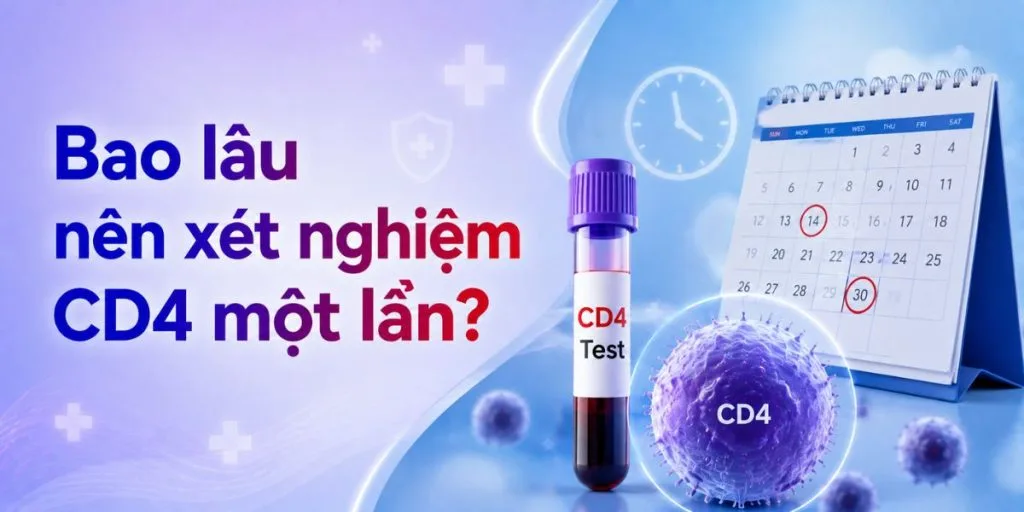
The frequency of testing depends on the condition of each person. Therefore, not everyone living with HIV needs to test CD4 on the same schedule.
When first diagnosed, CD4 may be tested to evaluate the initial immune status.
After that, the testing schedule depends on treatment response. Viral Load is also used to monitor ARV effectiveness.
If HIV is well controlled and CD4 is stable, CD4 testing may be less frequent in some cases.
However, if CD4 is low or there are health issues, the doctor may request more frequent monitoring.
What factors can cause CD4 to change?
CD4 is not a fixed number. In fact, results can change between tests.
For example, the time of blood collection can affect the results. Some temporary health conditions can also cause changes.
Additionally, acute infections can affect CD4. Some medications can also impact the results.
Therefore, a slight decrease does not necessarily mean HIV is becoming more severe.
Instead, doctors usually consider trends across multiple tests. Viral Load also provides important information to evaluate treatment.
Do HIV and CD4 determine U=U?
CD4 is not the indicator used to determine U=U. This is an important point when exploring HIV and CD4.
U=U relates to viral load. Therefore, Viral Load is the important test to evaluate viral suppression.
A person with a low CD4 count can still have good HIV control. Conversely, a high CD4 count does not automatically mean U=U has been achieved.
Especially, when a person living with HIV maintains a viral load below the threshold for U=U, HIV is not transmitted through sexual contact.
However, people who achieve U=U still need to continue ARV. Continuous treatment helps maintain viral control.
How to protect the immune system while living with HIV?
ARV treatment is the most important factor in controlling HIV. Alongside this, overall health care is also essential.
Firstly, use medication as directed. Taking ARV regularly helps maintain viral control.
Additionally, attend follow-up appointments and tests on schedule. This helps detect changes that need to be addressed.
A balanced diet also supports health. At the same time, appropriate exercise and sufficient sleep benefit the body.
Finally, discuss vaccines and appropriate preventive measures with your doctor. Comprehensive care helps protect long-term health.
Conclusion
HIV and CD4 are closely related to the immune system. HIV can enter and affect CD4 cells. However, ARV can control the virus's replication process. Thanks to this, the immune system has the opportunity to recover. CD4 helps assess immune status. While, Viral Load reflects the level of HIV control.
Additionally, CD4 can fluctuate between tests. Therefore, do not worry about small changes. Especially, CD4 does not determine U=U. Viral Load is the indicator directly related to evaluating viral suppression. Finally, understanding HIV and CD4 helps people living with HIV be more proactive. Maintaining ARV, attending follow-ups, and appropriate testing are the foundation of long-term HIV care.
Further reading
This article provides general information. For decisions about diagnosis, medicines or treatment, consult a qualified healthcare professional. Service availability and costs can change; confirm with the provider before booking. Our editorial approach