

Possible HIV Exposure: When Should You Get Tested?
Learn about HIV testing after possible sexual exposure, the window period, common test types and the importance of follow-up testing.


On this page
When there is a risk of HIV infection after a single instance of unsafe sexual contact, many people fall into a state of anxiety, confusion, and want to get tested immediately to know the results. However, HIV cannot be detected immediately after exposure because the body needs time to produce biological markers that tests can identify. Therefore, understanding the appropriate time to get an HIV test plays an important role in obtaining accurate results and avoiding unnecessary anxiety.
Currently, with the development of modern medicine, many HIV testing methods can detect the virus at very early stages. However, each type of test has a different "window period." If the test is done too early, a negative result does not necessarily rule out the possibility of HIV infection. The article below will help you understand when you should get tested if you are at risk of HIV infection, important time markers to remember, and notes to help effectively protect your health.
When there is a risk of HIV infection, how important is the timing of the test?
Many people think that getting tested immediately after unsafe sexual contact is enough to know whether they are infected with HIV. In reality, this is not the case. After the HIV virus enters the body, a certain amount of time is needed for the viral load, antigens, or antibodies to reach a level that tests can detect. This period is called the window period.
If the test is done during the window period, the result may be a false negative even if the person is infected with HIV. This causes many people to be complacent, continue risky behaviors, or miss the opportunity for early treatment. Therefore, choosing the right time for testing not only helps improve accuracy but also contributes to protecting personal and community health. Understanding the waiting time before testing will help people at risk make appropriate decisions, reduce psychological pressure, and be more proactive in monitoring their health.
What is the HIV window period and why is it important?
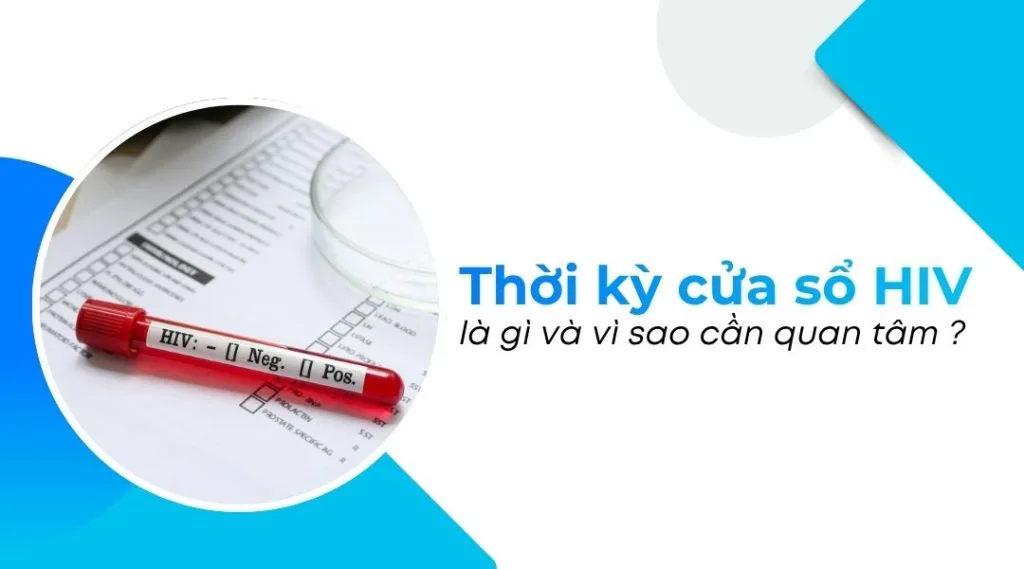
The window period is the time from when the HIV virus enters the body to when the test can detect the signs of HIV infection. During this period, the infected person can still transmit the virus to others even if the test results do not show the infection status.
The window period varies among all individuals. It depends on the immune system, initial viral load, the testing method used, and the overall health status of each individual. This is why doctors often recommend retesting after a certain period if there are still doubts or high-risk factors. Understanding the window period correctly helps avoid testing too early, while also helping people at risk plan their testing and health monitoring appropriately.
When should you get tested for the first time if you are at risk of HIV infection?
After a risky behavior such as unprotected sexual contact, broken condom, sharing needles, or contact with suspected HIV-infected blood, people at risk should go to a medical facility as soon as possible for consultation. If the incident occurred within 72 hours, the doctor may assess the possibility of using PEP (post-exposure prophylaxis for HIV). This is a measure that can significantly reduce the risk of HIV infection if used at the right time.
For HIV testing, some modern methods can detect signs of HIV infection from about 10–14 days after exposure. However, a negative result at this time still needs to be monitored further. Early testing helps record the initial status and supports doctors in building an appropriate monitoring plan. People at risk should not wait until symptoms appear to get tested because many cases of early HIV infection show no clear symptoms.
Current HIV testing methods and detection times
Currently, there are many HIV testing methods with varying sensitivity and detection times. Modern tests have significantly shortened the waiting time compared to before. NAT testing can detect the genetic material of the HIV virus very early, usually from 10 to 33 days after exposure. This is a highly sensitive method but usually more expensive than other types of tests.
Fourth-generation antigen/antibody testing can detect HIV from about 18 to 45 days after exposure. This is one of the most common methods used in many medical facilities due to its high accuracy. Traditional HIV antibody testing usually requires from 23 to 90 days to detect HIV infection. Although the detection time is longer, it is still widely used in screening programs. Choosing the appropriate test should be done under the guidance of medical staff to ensure accurate results and suitability with the exposure time.
Are symptoms after unsafe sexual contact signs of HIV infection?
Many people feel fever, sore throat, swollen lymph nodes, or fatigue after a risky behavior and worry that they have been infected with HIV. In reality, these symptoms may appear during the acute stage of HIV infection but can also be related to many other diseases such as the common cold, sore throat, or common viral infections.
Conversely, some people infected with HIV may not have any symptoms for weeks or even months. Therefore, it is not possible to determine whether a person is infected with HIV based on external symptoms. HIV testing remains the only method to accurately determine the infection status. Therefore, instead of trying to self-assess based on symptoms, people at risk should follow professional recommendations for testing.
Why is it necessary to get retested even if the initial result is negative?

A negative result immediately after a risk does not mean that you are definitely not infected with HIV. If the test is done during the window period, the body may not have produced enough antigens or antibodies to be detected. For this reason, experts often recommend retesting according to the schedule to confirm the final result. Adhering to the testing schedule helps reliably rule out the risk and reduce the chance of missing early HIV cases. In addition, during the waiting period for the final result, people at risk should take safe sexual practices to avoid transmitting HIV if they have been infected with the virus.
How to reduce the risk of HIV infection in the future?
Prevention is always the most effective measure in the fight against HIV. People at high risk or those who frequently engage in sexual activity should actively learn about modern prevention methods. Correct use of condoms in every sexual encounter helps significantly reduce the risk of HIV infection and other sexually transmitted diseases. In addition, regular HIV testing helps detect early and treat promptly if infected.
Today, PrEP has become one of the most effective HIV prevention methods for people who are not infected but at high risk. When used according to guidelines, PrEP can significantly reduce the risk of HIV transmission through sexual contact.
Recommended HIV testing schedule after being at risk of HIV infection
| Time after exposure | Purpose of testing | Significance of the result |
|---|---|---|
| Within 72 hours | Evaluate PEP indication | Reduce the risk of HIV infection if treated promptly |
| 10–14 days | NAT testing if needed | Detect HIV very early |
| 18–45 days | Fourth-generation testing | High accuracy in early stages |
| Around 6 weeks | Follow-up testing | Confirm initial results |
| Around 3 months | Final confirmation with multiple antibody tests | Reliably rule out risk |
Important notes before and after HIV testing
- Do not self-diagnose HIV infection based on symptoms.
- Undergo testing at a reputable medical facility or clinic.
- Follow-up testing appointments if recommended by medical staff.
- Learn about PEP if the risk occurred within 72 hours.
- Consider using PrEP if you frequently face HIV infection risks.
- Maintain safe sexual practices while waiting for results.
Cases that require immediate HIV testing and should not be delayed
- Unprotected sexual contact with someone whose HIV status is unknown.
- Condoms broken or slipped during sexual activity.
- Sharing needles or other devices that may be contaminated with blood.
- Contact with blood or bodily fluids that may contain HIV.
- Having multiple partners or frequently changing partners.
- Your partner has been confirmed to be infected with HIV or belongs to a high-risk group.
Conclusion
When there is a risk of HIV infection, getting tested at the right time is an important factor in obtaining accurate results and taking appropriate action. Although anxiety may cause many people to want to get tested immediately after unsafe sexual contact, each type of test requires a certain amount of time to detect the virus. Understanding the window period, choosing the appropriate testing method, and following the recommended testing schedule will help you protect your health more effectively. If you have just experienced a risky situation, take the initiative to seek medical advice and get tested as soon as possible to gain peace of mind and appropriate care.
Further reading
This article provides general information. For decisions about diagnosis, medicines or treatment, consult a qualified healthcare professional. Service availability and costs can change; confirm with the provider before booking. Our editorial approach