Health
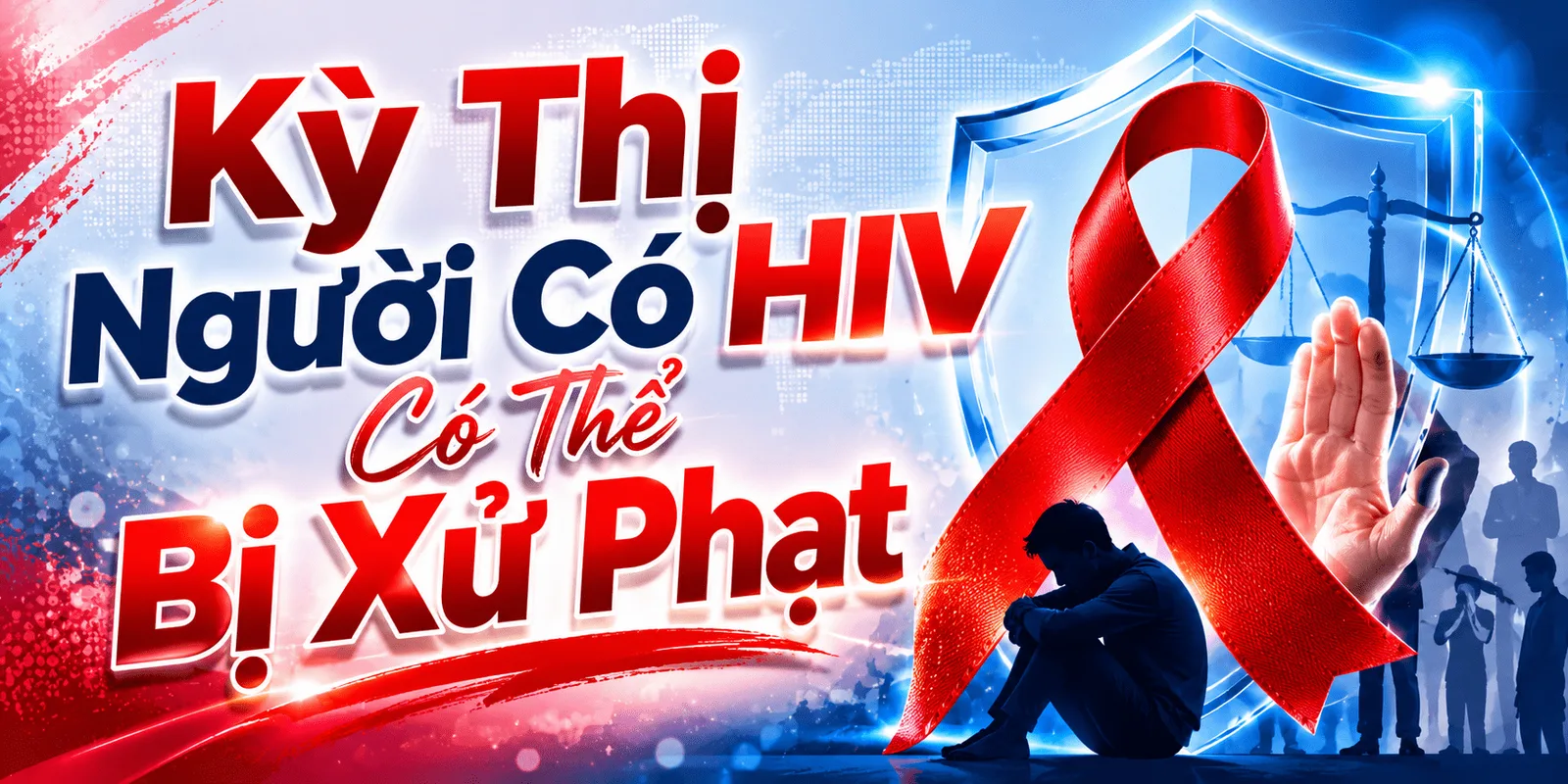
Discrimination Against People Living with HIV Can Be Penalized
Discrimination against people living with HIV violates the right to equality and affects HIV prevention. Learn about rights, legal regulations, and HIV testing.
Updated

On this page
Discrimination against people living with HIV not only has a serious impact on the mental health, educational opportunities, and employment prospects of people living with HIV but is also a violation of the law. In recent years, many countries have strengthened measures to protect the rights of people living with HIV in order to create an equal and non-discriminatory environment.
Strictly handling behaviors of discrimination against people living with HIV is seen as an important step in the work of preventing and controlling HIV/AIDS, while also contributing to encouraging people to actively get tested, treated, and access healthcare services safely without fear of discrimination.
Why is it important to end discrimination against people living with HIV?
Although modern medicine has proven that people living with HIV can live healthily, work, study, and live like others if treated properly, social prejudices still exist in many places.
HIV discrimination can lead to:
- Long-term psychological damage
- Loss of educational and employment opportunities
- Limited access to healthcare services
- Reduced motivation to get tested for HIV
- Increased risk of HIV transmission in the community due to people at risk being hesitant to access preventive services
That is why many legal regulations have been enacted to protect the rights of people living with HIV.
Behaviors of discrimination against people living with HIV that are considered violations
Some behaviors that may seem simple are still considered discriminatory against people living with HIV.
In the educational environment
Behaviors such as:
- Requiring students or students to get tested for HIV without legal basis
- Forcing the disclosure of HIV test results
- Limited participation in educational activities due to HIV-related reasons
- Refusing to accept students solely because of their HIV status
can be considered discriminatory behavior and a violation of the right to education.
In social life
Other behaviors that are also considered discriminatory include:
- Refusing to provide or support social care due to HIV status
- Refusing to provide legal services to people living with HIV
- Using language or actions that insult people living with HIV
- Spreading misinformation to create prejudice against people living with HIV
Discrimination against people living with HIV in the workplace
The workplace is often where people living with HIV face the most barriers.
Violative behaviors may include:
- Requiring HIV testing during recruitment when not legally mandated
- Refusing to hire solely because the candidate is living with HIV
- Limited career opportunities for people living with HIV
- Failing to ensure equal labor rights
These behaviors not only affect income and quality of life but also create an unfair work environment.
Terminating employment due to HIV is a serious violation
One of the most serious forms of discrimination is:
- Terminating employment due to the employee's HIV status
- Forcing unwanted job transfers
- Not considering salary increases or promotions due to HIV status
- Limited legal rights for the employee
These behaviors can be legally addressed to protect the right to work and equality for people living with HIV.
HIV-discriminatory media can also have legal consequences
In addition to direct behaviors, using images, content, or messages that are offensive, discriminatory, or create prejudice about HIV can also have negative impacts on the community.
Responsible media should:
- Provide accurate information about HIV
- Avoid using discriminatory language
- Respect the privacy of people living with HIV
- Help raise community awareness
People living with HIV have the right to be treated equally
Today, HIV is no longer seen as a death sentence as it once was.
With consistent ARV treatment:
- People living with HIV can maintain good health
- Life expectancy is nearly the same as people not infected with HIV
- They can study, work, and build a family
- They can achieve an undetectable viral load
- They cannot transmit HIV through sexual contact according to the U=U principle
Therefore, all discriminatory or discriminatory behaviors are not scientifically based and need to be eliminated.
The role of HIV testing in reducing discrimination
One of the reasons why HIV discrimination persists is due to a lack of accurate knowledge.
Actively getting tested for HIV and learning scientific information helps:
- Understand HIV correctly
- Reduce unnecessary fear
- Encourage early treatment
- Reduce transmission in the community
- Create a more open and humane environment
Love2Test.vn provides reliable information about HIV, HIV testing, PrEP, PEP, and sexual health, helping the community access accurate information and reduce HIV-related discrimination.
Working together to build a non-discriminatory HIV community
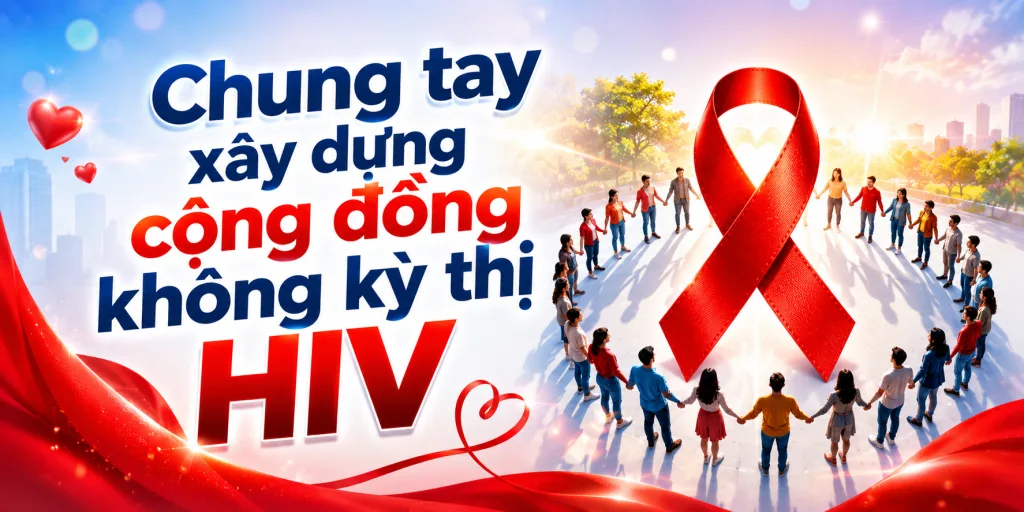
Each individual can contribute to change through simple actions:
- Respect people living with HIV
- Do not spread misinformation
- Do not use offensive language
- Encourage regular HIV testing
- Share scientific knowledge about HIV
A non-discriminatory community will help many people confidently access testing, treatment, and healthcare sooner.
Conclusion
Discrimination against people living with HIV not only causes harm to individuals but also affects the effectiveness of HIV prevention and control in the entire society. Protecting the rights of people living with HIV, promoting equality in education, work, and healthcare is the foundation for building a civilized and compassionate community. Through raising awareness and accessing accurate information from Love2Test.vn, everyone can contribute to reducing HIV discrimination and creating a more positive living environment for all people.
Further reading
This article provides general information. For decisions about diagnosis, medicines or treatment, consult a qualified healthcare professional. Service availability and costs can change; confirm with the provider before booking. Our editorial approach
Published by Love2Test — Accessible sexual health information