

Oral Sex: STI Risks and Safer Practices
What is Oral Sex? Learn about its benefits, risks, sexually transmitted infections (STIs), and how to practice it more safely.


On this page
Oral sex is one of the most common forms of sexual activity across all age groups. This activity provides a sense of closeness, naturalness, and satisfaction for both partners. However, it is important to remember that this form of sexual activity still carries the risk of transmitting sexually transmitted infections (STIs), similar to vaginal or anal sex.
Therefore, equipping yourself with knowledge, understanding the risks, and applying the correct preventive measures is essential to ensure that the joy of sexual life does not come at the cost of unnecessary risks.
What is Oral Sex?
Oral Sex is the use of the mouth, tongue, and lips to stimulate or caress the genitalia of a partner, including the male genitalia, female genitalia, and in some cases, the anal area.

Many people believe that this is a "safer" form of sexual activity because it does not involve penetration into the vagina, thus not leading to pregnancy. However, in reality, Oral Sex still carries the risk of transmitting sexually transmitted infections (STIs) such as syphilis, gonorrhea, herpes, and the human papillomavirus (HPV). Although this activity provides physical and emotional satisfaction, having the correct understanding and applying appropriate protective measures is crucial for a safer sexual life.
Benefits of Oral Sex

Increases Diversity in Sexual Life
- Provides new experiences and excitement in a relationship
- An alternative choice for couples who want to explore various forms of sexual pleasure
Increases Closeness and Intimacy
- Demonstrates trust and bonding between couples
- Helps strengthen emotional connections
Reduces the Risk of Pregnancy
- An option for couples not ready for parenthood
- Helps reduce anxiety related to other contraceptive methods
Stimulation and Relaxation
- Helps stimulate sensitive areas of the body
- Can provide a sense of relaxation and reduce stress
Part of Foreplay
- Helps stimulate desire before penetration
- Increases natural lubrication, making sexual activity easier
An Option for Those with Physical Limitations
- Suitable for couples unable to engage in penetrative sex
- An option for men with erectile dysfunction
Understanding Your Partner's Body
- Helps understand your partner's sensitive areas better
- Encourages open communication about sex
Health Benefits
- Ejaculation may help reduce the risk of prostate cancer in men
- May help boost immunity through the exchange of bodily fluids
Reduces Pain During Sex
- An option for those who experience pain during penetrative sex
- Can help women with vaginal dryness achieve pleasure
Boosts Confidence
- Providing pleasure to your partner helps increase confidence in sexual life
- Helps accumulate sexual skills and experience
Although there are many benefits, it is important to be aware of the risks and implement appropriate preventive measures.
Types of Oral Sex
Fellatio
- Stimulating the male genitalia with the mouth
- Often referred to as "oral sex for the penis"
- Can stimulate both the head and shaft of the penis
Cunnilingus
- Stimulating the female genitalia with the mouth
- Usually focuses on the clitoris and labia
Analingus
- Stimulating the anal area with the mouth
- Also known as "rimming"
- Using the tongue to stimulate the anal area
Why is Oral Sex Popular Among the Youth?
In modern society, the sexual behavior of the youth is becoming increasingly diverse and open. Oral Sex has become one of the most common forms of sexual activity because many people believe it is a safer option and does not lead to pregnancy.
Additionally, the development of social media and easily accessible adult content has influenced the youth's perception of this activity. At the same time, sex education in some schools is increasingly addressing diverse sexual behaviors, helping the youth to have a more open-minded view. Therefore, exploring pleasure and building safe relationships through activities like Oral Sex is no longer uncommon in today's society.
Communication with Your Partner
- Discuss desires and limits before sexual activity
- Share information about sexual health history and recent test results
- Respect the consent of both parties
- Communicate openly about comfort or discomfort
- Agree on the use of protective measures
What Risks Does Oral Sex Pose?
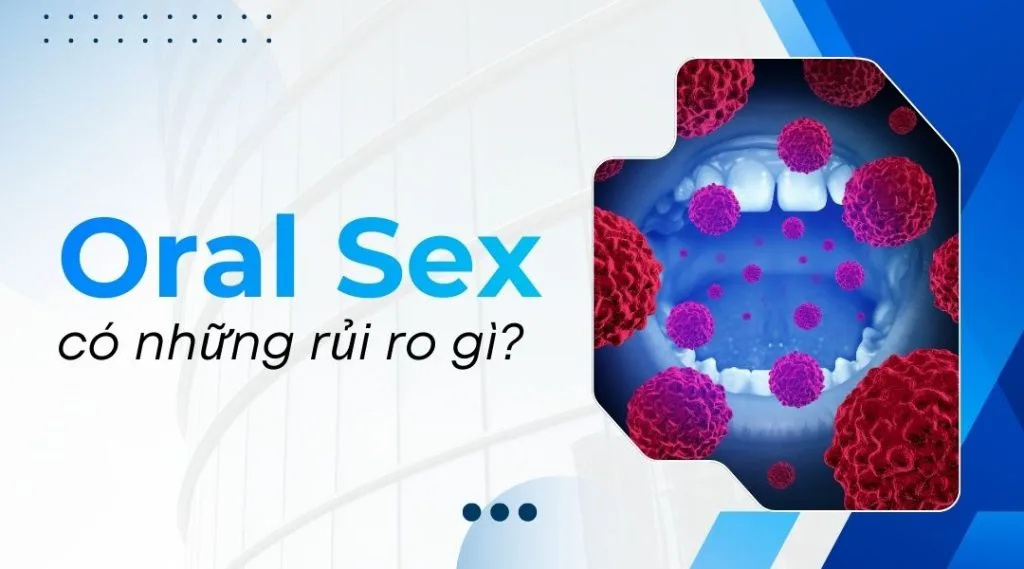
Sexually Transmitted Infections (STIs)
- Genital herpes
- Gonorrhea
- Syphilis
- HIV (lower risk compared to penetrative sex but still possible)
- Hepatitis B
- HPV
Oral and Throat Infections
- Oral thrush
- Bacteria causing mouth and throat inflammation
Cancer Risk
- Cervical cancer in women (linked to HPV)
- Oral and throat cancer in both men and women
Injuries
- Scratches or irritation on the mouth or genital area
- Allergies to semen or vaginal fluids
Risk of Choking or Breathing Difficulties
- Can occur during oral sex if not careful
How to Prevent and Reduce Risks
Use Protective Measures
- Condoms during oral sex with the penis
- Dental dams during oral sex with the vagina
Regular Health Check-ups
- Frequent STI testing
- Regular dental and throat examinations
Communicate with Your Partner
- Openly discuss health and sexual history
- Report any unusual symptoms
Good Hygiene
- Clean genitalia and mouth before and after sexual activity
- Avoid oral sex if there are mouth sores
Should You Have Oral Sex with Mouth Sores or a Sore Throat?
Mouth sores or a sore throat can increase the risk of transmitting sexually transmitted infections. Open wounds in the mouth can act as a direct gateway for bacteria or viruses to enter the body.
Body fluids such as semen, vaginal fluids, or saliva can contain pathogens. If there are mouth sores, canker sores, chapped lips, or if you have just had a tooth extraction, the safest choice is to avoid oral sex until the wounds are completely healed.
How Often Should You Test for STIs If You Have Oral Sex?
If you frequently engage in Oral Sex, especially with multiple partners or partners with unknown health status, you should test for sexually transmitted infections at least every 6–12 months, even if you have no symptoms. In cases of frequent new partners or lack of protective measures, testing should be done more frequently and you should consult a healthcare professional.
Common Misconceptions About Oral Sex
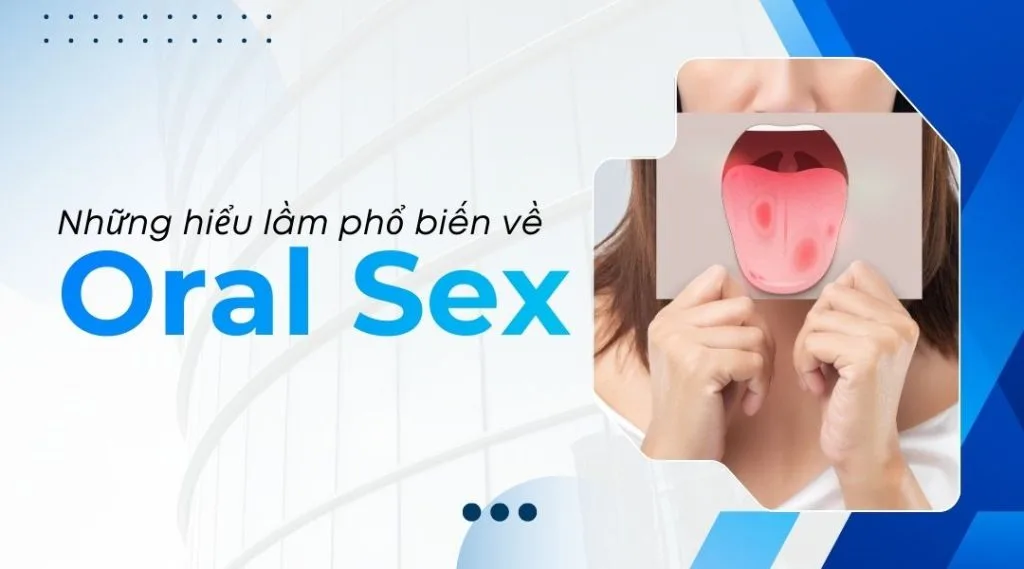
Although many people believe that Oral Sex is a safe form of sexual activity, several common misconceptions still exist. For example, many people believe that oral sex cannot transmit sexually transmitted infections. In reality, diseases such as syphilis, gonorrhea, and herpes can be transmitted through bodily fluids. Another misconception is that condoms are not needed during oral sex. Trust without health testing can lead to unwanted risks. Providing accurate information and not judging sexual behavior is key to reducing risks and raising community awareness.
Frequently Asked Questions About Oral Sex
| Question | Answer |
|---|---|
| Is there a risk of infection with Oral Sex? | Yes. Especially for diseases like syphilis, gonorrhea, herpes, and HPV |
| Is Oral Sex recommended during menstruation? | Not recommended due to higher infection risk |
| Should Oral Sex be avoided if there are mouth sores? | Yes, as wounds increase the risk of infection |
| Does Oral Sex prevent pregnancy? | Yes, as there is no penetration into the vagina, but there is still a risk of infection |
| Should condoms be used during Oral Sex? | Yes, especially if you are unaware of your partner's health status |
Oral sex (Oral Sex) can bring pleasure and increase intimacy between couples, but it also comes with certain health risks. Using protective measures, having open communication with your partner, and regular health check-ups will help reduce risks and build a safe, healthy sexual life.
References
- Centers for Disease Control and Prevention (CDC). (2023). STDs and Oral Sex.
https://www.cdc.gov/std/healthcomm/stdfact-stdriskandoralsex.htm - Planned Parenthood. (n.d.). What Is Oral Sex?
https://www.plannedparenthood.org/learn/sex-pleasure-and-sexual-dysfunction/oral-sex - NHS UK. (2022). Oral sex – risks and safety.
https://www.nhs.uk/live-well/sexual-health/oralsex-risks-and-safety/
Further reading
This article provides general information. For decisions about diagnosis, medicines or treatment, consult a qualified healthcare professional. Service availability and costs can change; confirm with the provider before booking. Our editorial approach