
Health
HSV Testing: Herpes Test Types and Procedures
Learn what HSV testing detects, when a clinician may recommend it, the available test types and how results are interpreted.
Updated

On this page
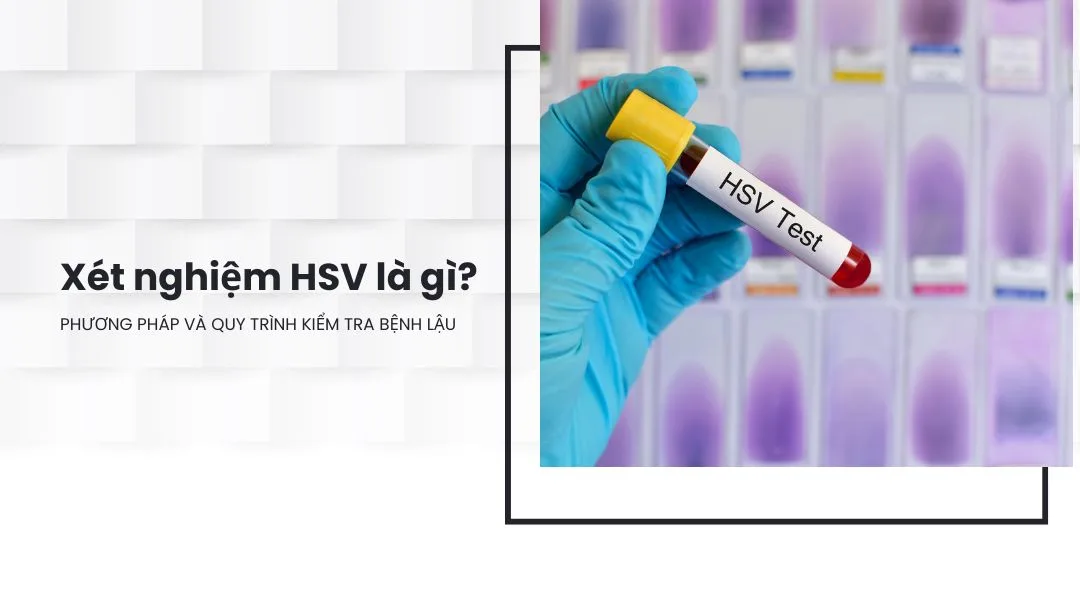
HSV testing is a method to determine the presence of the Herpes Simplex virus. This virus causes genital herpes, a common sexually transmitted disease. Understanding the types of HSV viruses and how to test can help you better protect your health.
Common HSV Virus Types
There are two main types of Herpes Simplex virus that affect humans:
- HSV-1: Usually causes blisters and sores around the mouth and lips.
- HSV-2: Mainly causes blisters and sores in the genital or anal area.
The virus spreads through direct contact with sores or bodily fluids. Even without clear symptoms, the virus can still be transmitted to a sexual partner.

Who Should Undergo HSV Testing?
You should consider testing if you fall into any of the following situations:
- Appearance of painful blisters or sores in the genital area.
- You have a sexual partner who has been diagnosed with HSV or other sexually transmitted diseases.
- You have unsafe sexual practices or multiple sexual partners.
- Individuals with a weak immune system or undergoing HIV treatment.
Current HSV Testing Methods
Depending on the clinical condition, the doctor will recommend an appropriate testing method:
Swab Test (Swab Test)
The doctor uses a specialized swab to collect a sample from an active sore. This is the most direct method to identify the virus at the affected site.
Blood Test
This method detects antibodies against the HSV virus in the blood. A blood test can be performed even if you do not have sores on your skin.
Lumbar Puncture
This is a specialized test performed only when the virus is suspected to attack the nervous system. This method helps diagnose severe complications in the brain or spinal cord.
Significance of Test Results

Results are typically reported in two main forms:
- Negative Result: The virus was not detected at the time of testing. However, if you still have symptoms, you may need to be retested after the incubation period.
- Positive Result: You are currently infected with the virus or have been infected in the past. Although there is no cure for the virus, antiviral drugs can help reduce symptoms and prevent recurrence.
Effective Methods to Prevent HSV Infection
Prevention is always better than cure. Apply the following measures:
- Use condoms correctly during every sexual encounter.
- Remain faithful to a single, safe sexual partner to reduce risk.
- Maintain a healthy lifestyle, exercise regularly, and eat a balanced diet.
- Avoid sexual activity when you have active sores or blisters.
Conclusion
HSV testing is essential to effectively manage the disease and avoid life disruptions. Be proactive in regularly checking your health to protect yourself and those around you.
Further reading
This article provides general information. For decisions about diagnosis, medicines or treatment, consult a qualified healthcare professional. Service availability and costs can change; confirm with the provider before booking. Our editorial approach
Published by Love2Test — Accessible sexual health information