Health
Where Do Syphilis Symptoms Usually Appear?
Syphilis symptoms can appear on the genitalia, mouth, or anus. Learn how to recognize them early.
Updated


On this page
Syphilis symptoms do not always appear in easily recognizable locations. This is one of the reasons why many people infected with the disease do not detect it early, leading to the risk of transmission to sexual partners and the development of dangerous complications.
Syphilis is a common sexually transmitted infection caused by the bacterium Treponema pallidum. If not diagnosed and treated in time, the disease can affect many organs in the body, including the nervous system, cardiovascular system, and eyes.
What is syphilis?
Syphilis is a bacterial infection primarily transmitted through unsafe sexual contact.

The disease can be transmitted through:
- Vaginal sex
- Anal sex
- Oral sex
- Direct contact with a wound containing the bacteria
- Transmission from mother to child during pregnancy
- Contact with infected blood in some special cases
What is concerning is that many people infected with the disease do not notice any unusual symptoms for a long time.
Common locations where syphilis symptoms appear
The syphilis bacterium usually appears at the first location where the body comes into contact with the source of infection.
Genitalia
This is the most common location.
Patients may experience:
- Small sores
- Superficial ulcers
- No pain
- No itching
Because they do not cause discomfort, many people often overlook this symptom.
Anus
In people who have anal sex, syphilis lesions may appear at:
- Anus
- Rectum
- Skin around the anus
These lesions are sometimes mistaken for hemorrhoids or common skin conditions.
Mouth and tongue
Oral sex can cause the syphilis bacterium to appear at:
- Lips
- Tongue
- Mouth
- Throat
Mouth sores are often painless, making them easy to miss.
Other parts of the body
In some cases, syphilis lesions may appear on:
- Fingers
- Chest
- Back
- Forehead
- Whole body skin
Especially in the secondary stage, patients may develop rashes on various parts of the skin.
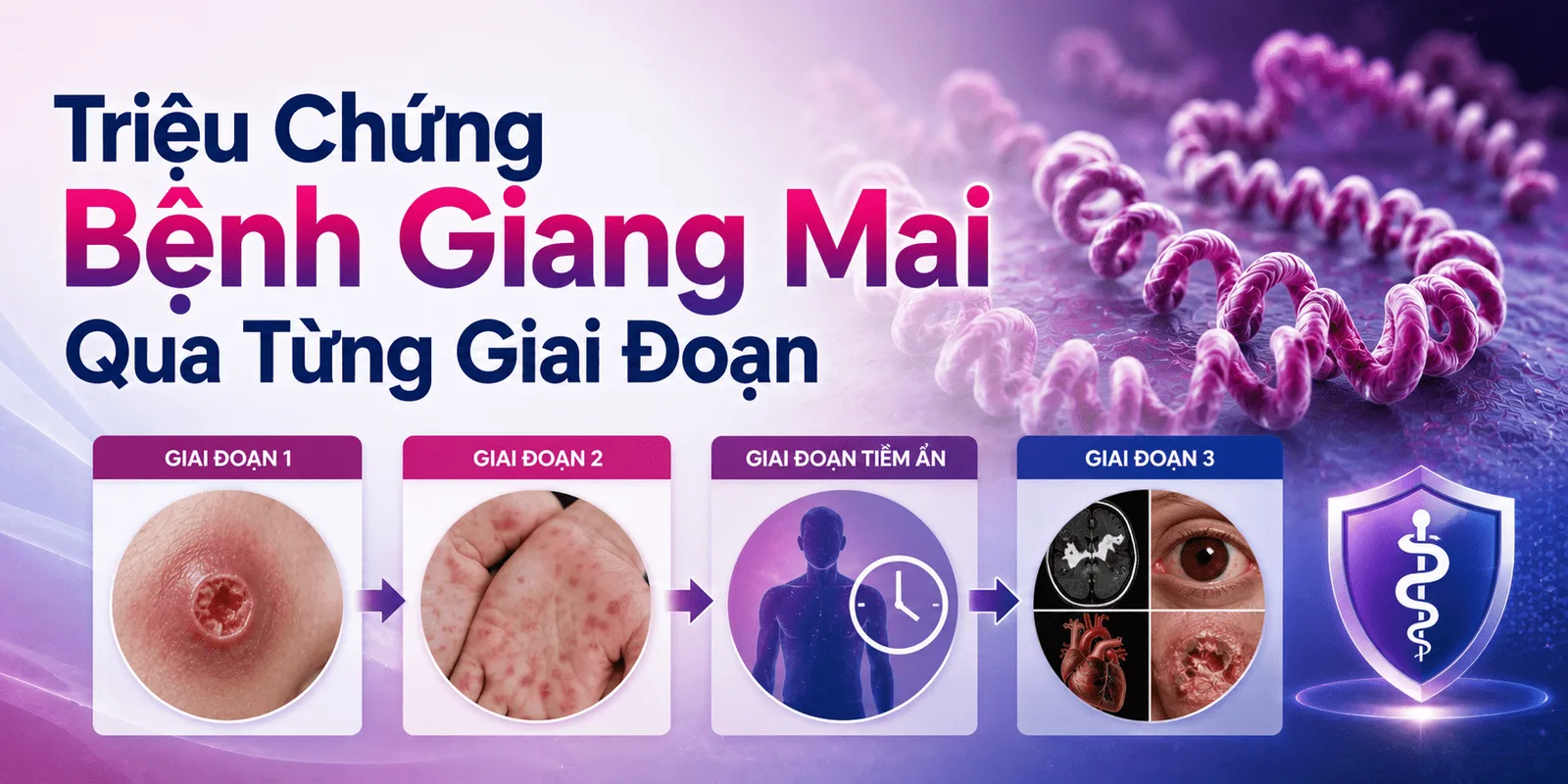
Syphilis symptoms through each stage
Primary stage
This is the first stage after infection.
Common symptoms include:
- Appearance of one or more sores
- No pain
- No itching
- Disappear after a few weeks
Many people mistakenly think the disease has healed, but in reality, the bacteria continue to exist in the body.
Secondary stage
After the sores disappear, patients may experience:
- Full-body rash
- Mild fever
- Sore throat
- Muscle pain
- Fatigue
- Bald patches
- Swollen lymph nodes
This is the stage with the highest transmission risk.
Latent stage
During this stage:
- No clear symptoms
- The patient still carries the bacteria in the body
Many cases are only detected during routine testing.
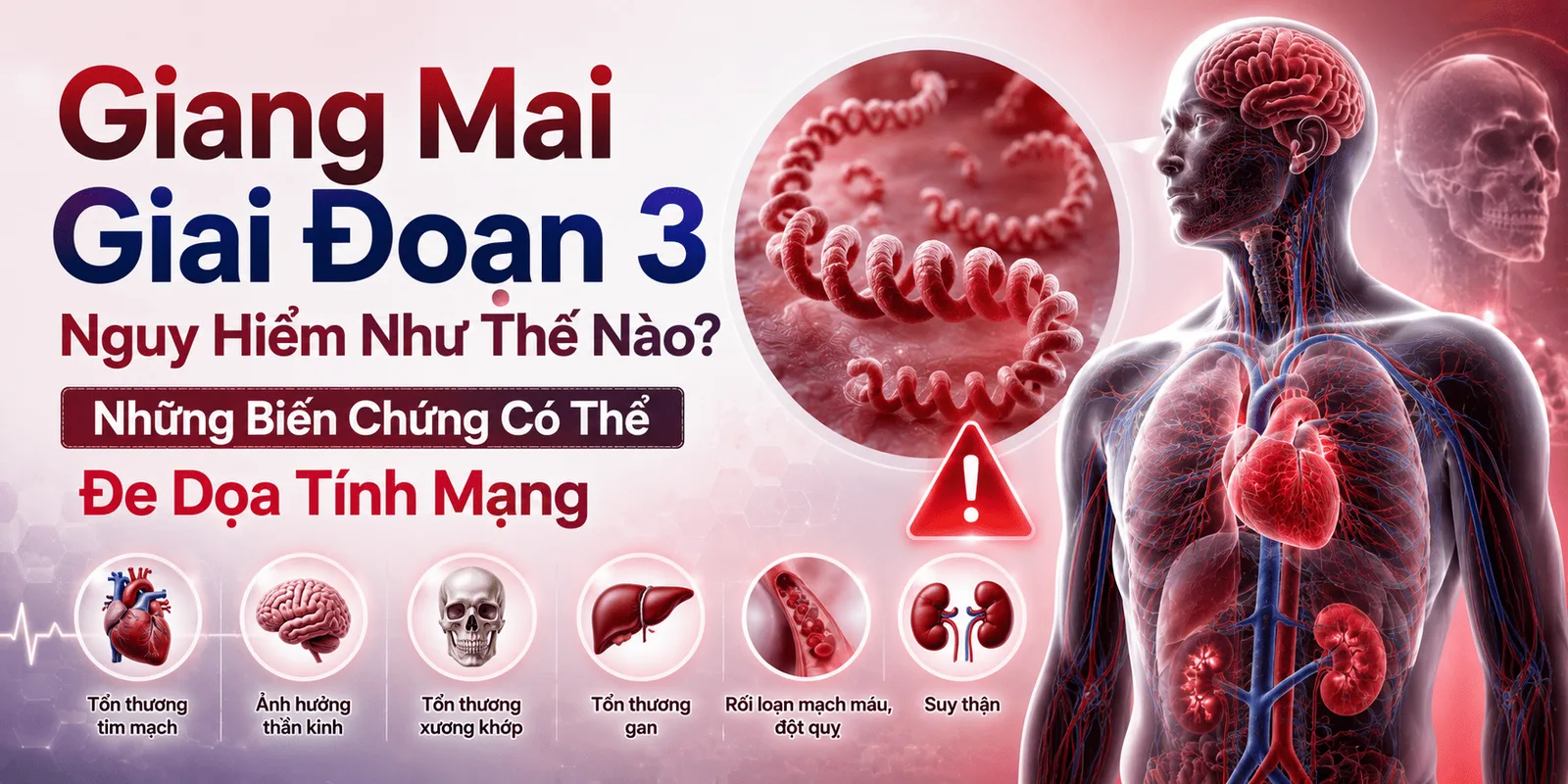
Late stage
If left untreated, syphilis can cause serious damage:
- Nervous system
- Cardiovascular system
- Brain
- Eyes
- Hearing
These complications can have long-term effects on health and quality of life.
Why do many people not detect syphilis early?
There are many reasons why syphilis is often missed:
- Unclear symptoms
- Sores do not cause pain
- Lesions appear in hard-to-observe locations
- Being careless when there are no unusual symptoms
- Not having regular sexual health check-ups
This is why experts always encourage regular check-ups for those at risk.
When should you test for syphilis?

You should consider testing if:
- You have had unprotected sex
- You have multiple partners
- You have a new partner
- You have unusual sores
- You are using PrEP
- You want to have regular sexual health check-ups
Testing is the only way to accurately determine your syphilis status.
Effective ways to prevent syphilis
To reduce the risk of infection, you should:
- Use condoms correctly
- Limit high-risk behaviors
- Have regular sexual health check-ups
- Proactively discuss your health status with your partner
- Learn about sexual health from reliable sources
Early detection helps in effective treatment and reduces the risk of long-term complications.
Actively protect your health with Love2Test.vn
Love2Test.vn provides useful information about HIV, syphilis, PrEP, and other sexually transmitted diseases. Users can also learn about sexual health knowledge and assess their risk online to actively protect themselves. Accessing accurate information and having regular testing are important foundations for reducing the risk of infection and detecting the disease early.
Conclusion
Syphilis symptoms can appear in many different locations such as the genitalia, anus, mouth, or various parts of the body. However, most symptoms in the early stages usually do not cause pain or discomfort, leading many people to not realize they are infected.
Understanding syphilis symptoms, having regular testing, and actively caring for your sexual health are important steps to protect yourself and the community. Love2Test.vn is a useful information source to help you raise awareness and make appropriate health decisions.
Further reading
This article provides general information. For decisions about diagnosis, medicines or treatment, consult a qualified healthcare professional. Service availability and costs can change; confirm with the provider before booking. Our editorial approach
Published by Love2Test — Accessible sexual health information