Health
Syphilis Symptoms at Each Stage
The symptoms of syphilis change according to each stage. Early recognition helps with timely testing, treatment, and prevention of dangerous complications.
Updated

On this page
Syphilis symptoms can vary greatly depending on the stage of the disease. Some people develop painless sores on the genitalia, anus, or mouth, while others may not show any clear signs for a long time. This stealthy nature makes syphilis easy to miss and can progress to serious complications if not detected early. Understanding syphilis symptoms helps individuals actively get tested, treat at the right time, and protect their sexual health as well as that of their partners.
What is syphilis?
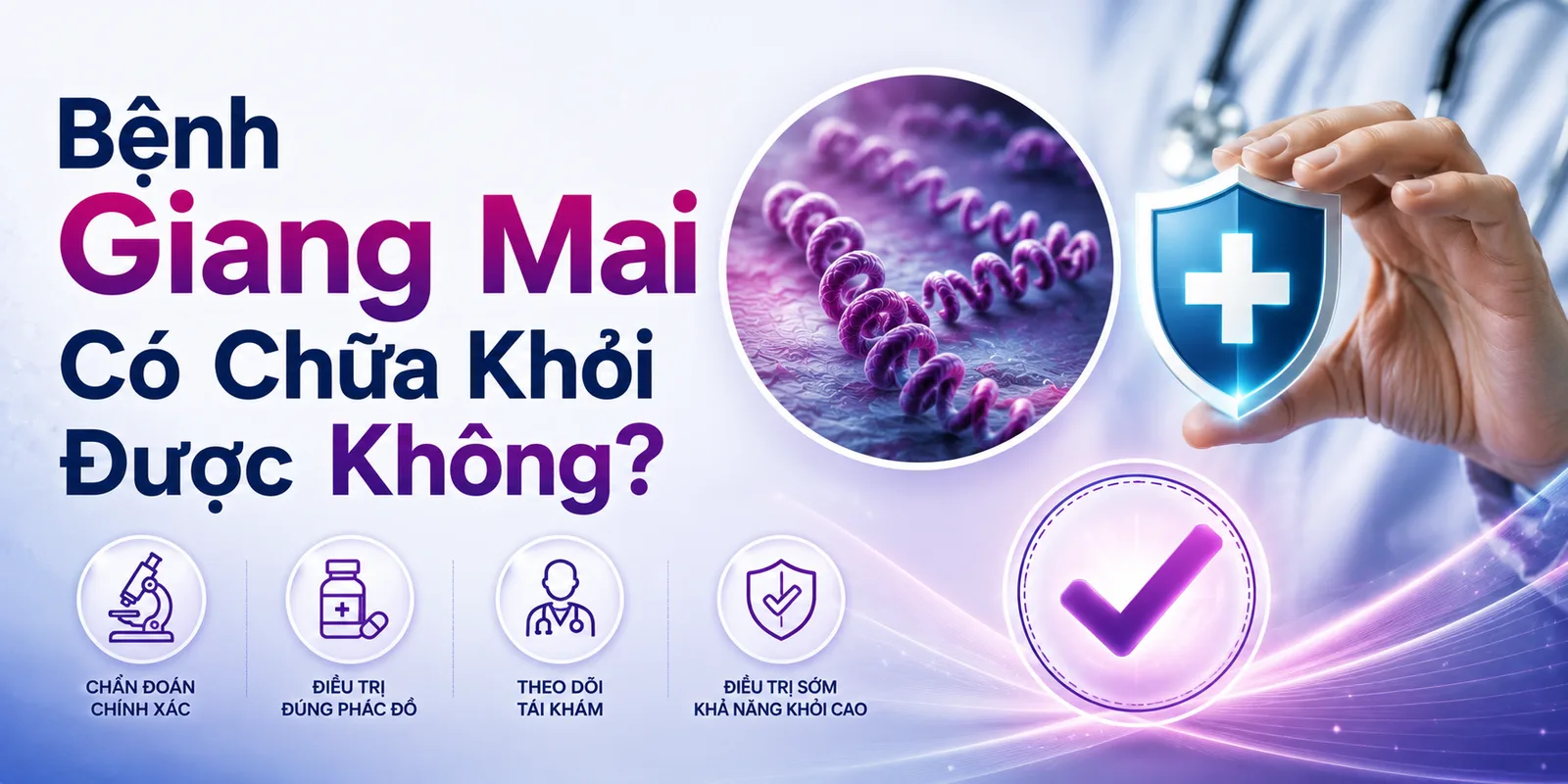
Syphilis is a sexually transmitted disease caused by the bacterium Treponema pallidum. It can be transmitted through vaginal, anal, or oral sex, or through direct contact with a sore containing the bacteria. If left untreated, syphilis can progress through several stages and affect the skin, mucous membranes, nervous system, cardiovascular system, eyes, and other organs in the body.
Why is syphilis often missed?
Syphilis is often detected late because:

- The initial sore is usually painless
- Symptoms may disappear on their own
- The latent stage has no clear symptoms
- Symptoms may be mistaken for dermatological or other STI conditions
- Patients may be reluctant to get tested for sexual health
Disappearing symptoms do not mean the disease is cured. The bacteria can still exist in the body and continue to cause damage silently.
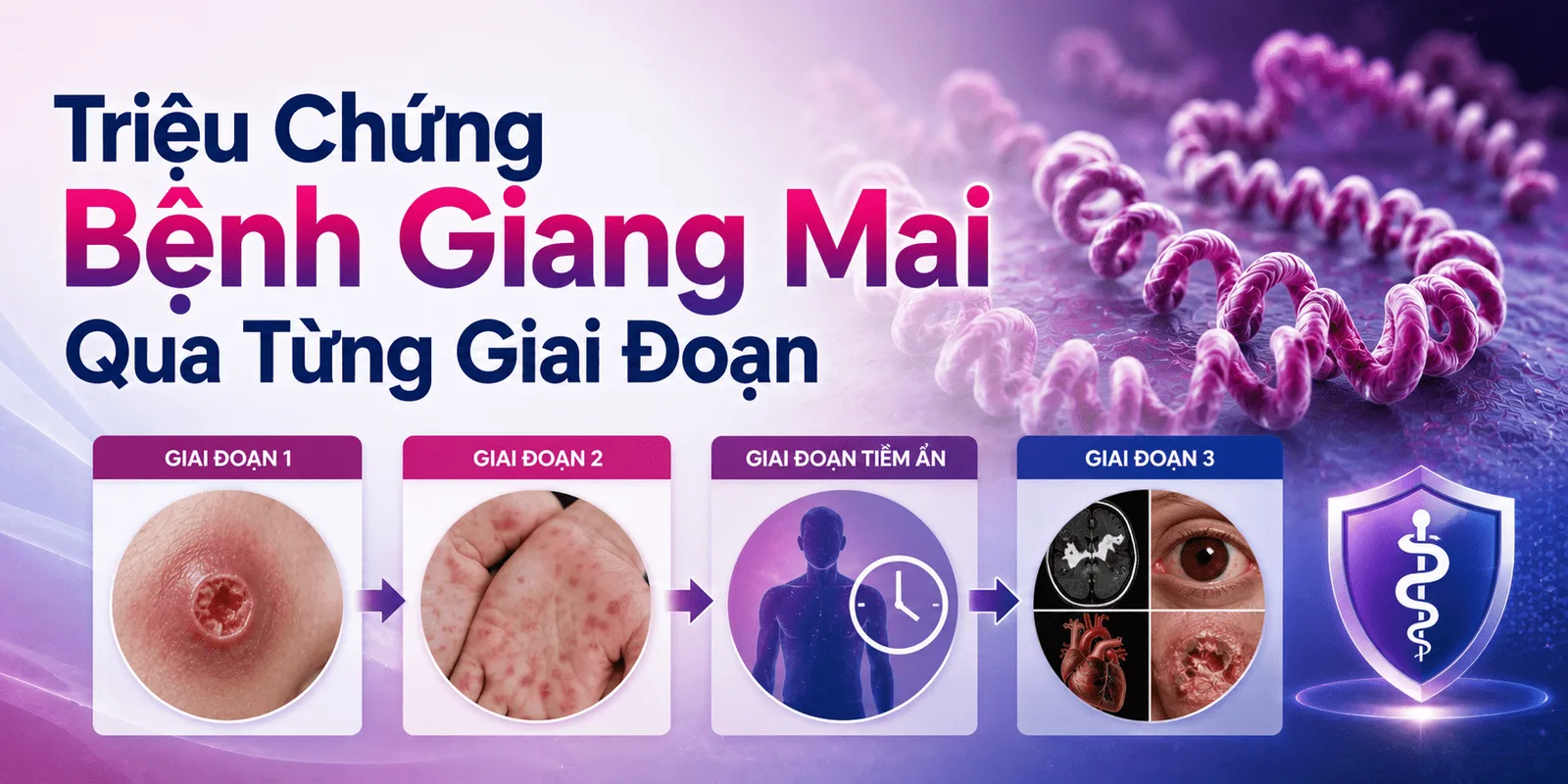
Stage 1 Syphilis Symptoms
Stage 1 typically appears after the bacteria enters the body.
The typical sign is a syphilitic sore, often characterized by:
- Superficial sore
- Round or oval shape
- Painless
- Not itchy
- Hard base
- Usually appears singly
Common locations include:
- Penis
- Vulva
- Vagina
- Cervix
- Anus
- Rectum
- Lips, tongue, or throat
Because the sore is painless and may be located in hard-to-see areas, many people do not realize they are infected.
Stage 2 Syphilis Symptoms
Stage 2 typically appears a few weeks after the initial sore. This is the stage with high transmissibility.
Common symptoms include:
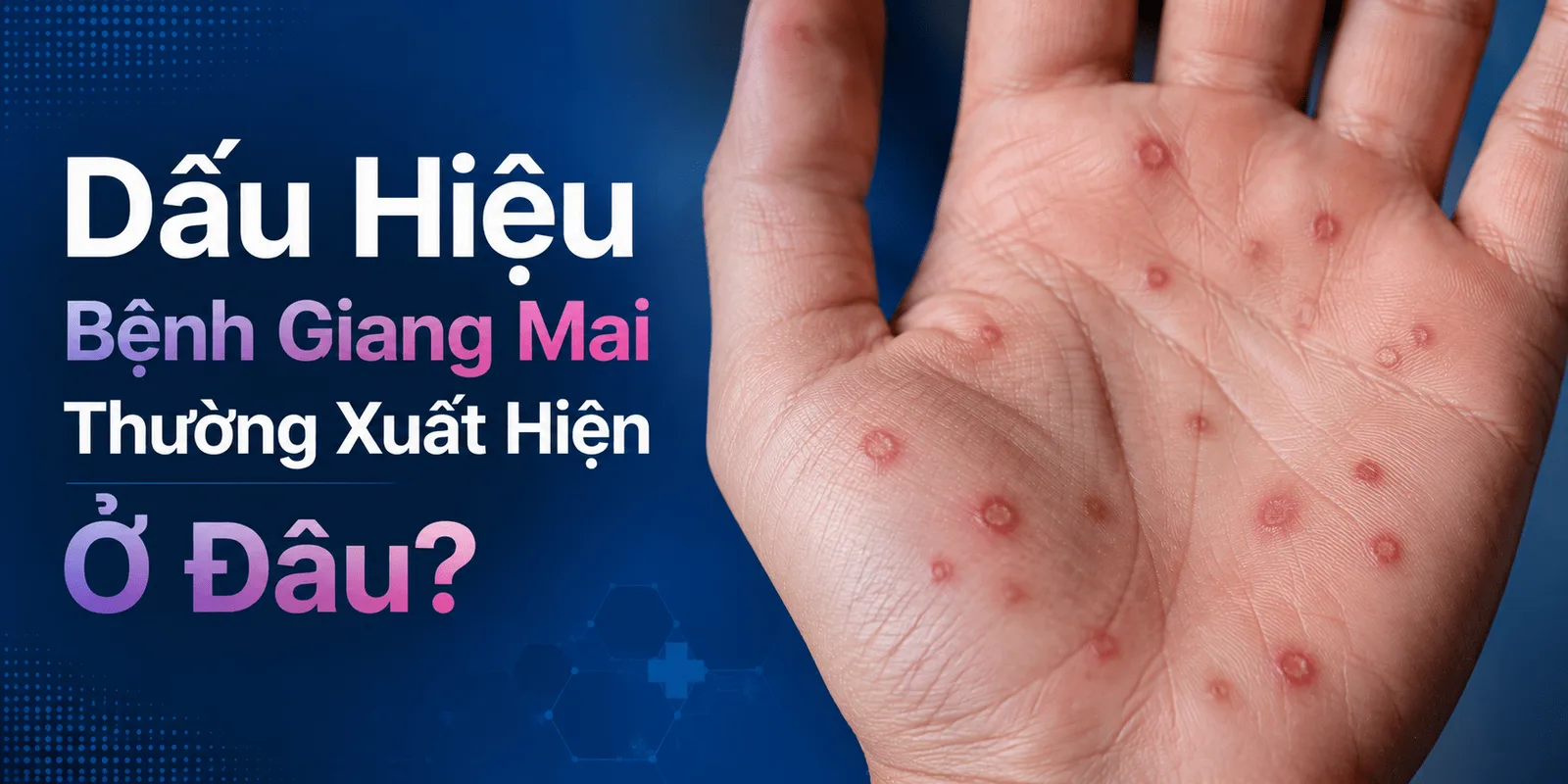
- Rash on the skin
- Red rash on palms or soles
- Lymph node swelling
- Mild fever
- Headache
- Sore throat
- Fatigue
- Muscle or joint pain
- Bald patches
- Mucosal lesions in the mouth, anus, or genitalia
Lesions at this stage may be painless, not itchy, and easily mistaken for allergies, skin conditions, or common infections.
What is latent syphilis?
Latent syphilis is a stage where the patient does not have clear clinical symptoms but can still be detected by testing. This stage can last for many years. Patients often think they are cured because they no longer have abnormal symptoms. However, if untreated, the disease can still progress to later stages. For pregnant women, latent syphilis can still affect the fetus and cause congenital syphilis.
Stage 3 Syphilis Symptoms
Stage 3 is the late stage, usually appearing after many years if untreated.
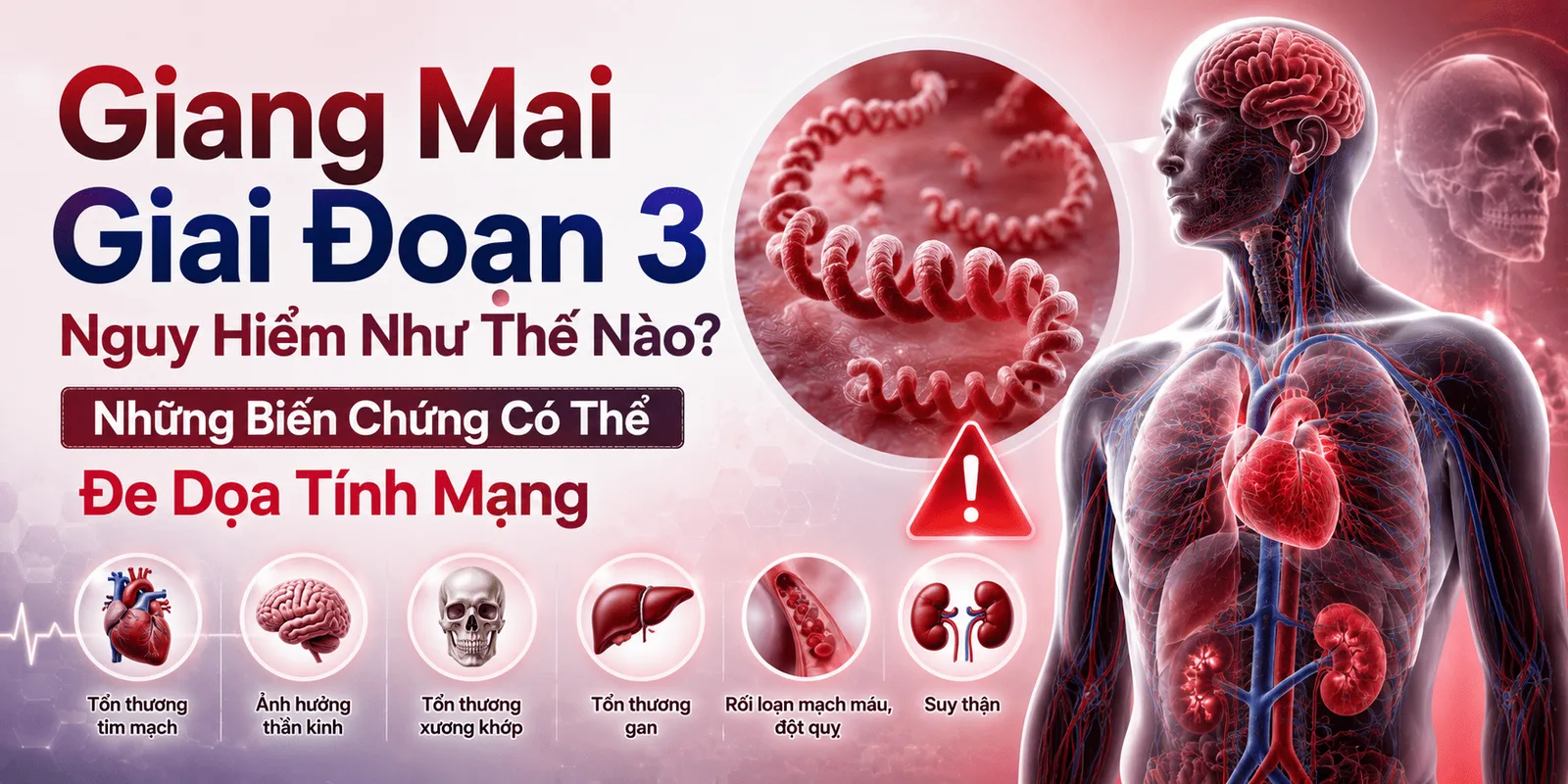
At this stage, syphilis can cause severe damage such as:
Skin and mucous membrane damage
- Formation of gumma-like lesions
- Deep ulcers
- Scarring
- Lesions on the skin, mouth, tongue, or throat
Cardiovascular damage
- Aortic inflammation
- Aortic valve regurgitation
- Aortic aneurysm
Neurological damage
- Chronic headaches
- Memory disorders
- Movement disorders
- Numbness in hands and feet
- Seizures
- Behavioral changes
Eye damage
- Blurred vision
- Eye inflammation
- Reduced vision
- Risk of blindness if untreated
Congenital Syphilis

Syphilis can be transmitted from mother to child during pregnancy. If not detected and treated in time, the disease can increase the risk of:
- Spontaneous abortion
- Stillbirth
- Premature birth
- Born with congenital syphilis
This is why syphilis testing during pregnancy is an important part of maternal and child health care.
When should you get tested for syphilis?
You should consider testing if:
- You have had unprotected sex
- You have multiple partners
- You have a new partner
- You have unusual sores or rashes
- You are using PrEP
- You have had an STI before
- You live with someone who has HIV
- You are pregnant or planning to become pregnant
Testing is the most accurate way to detect syphilis, especially when the disease has no clear symptoms.
How to prevent syphilis
To reduce the risk of syphilis, you should:
- Use condoms correctly
- Get regular sexual health testing
- Limit sex when you don't know your partner's health status
- Openly discuss STIs with your partner
- Treat the disease fully if diagnosed
- Encourage your partner to get tested as well
Actively protect your health with Love2Test.vn
Love2Test.vn provides reliable information about HIV, PrEP, syphilis, and other sexually transmitted infections. Users can learn about sexual health knowledge, assess their risk online, and become more proactive about regular testing. Early recognition of unusual symptoms and timely health checks are effective ways to prevent syphilis complications.
Syphilis symptoms can change according to each stage, from painless sores in the early stage to rashes, neurological, cardiovascular, or eye damage in later stages. Particularly, the disease can have a latent stage with no symptoms, causing many people to be complacent. Actively understanding syphilis symptoms, getting regular tested, and updating information from Love2Test.vn will help you detect the disease early, treat it in time, and protect your sexual health in the long term.
Further reading
This article provides general information. For decisions about diagnosis, medicines or treatment, consult a qualified healthcare professional. Service availability and costs can change; confirm with the provider before booking. Our editorial approach
Published by Love2Test — Accessible sexual health information