
Health
HIV and Depression: Understanding the Connection
Learn about the relationship between HIV and depression, effects on treatment and quality of life, and ways to find support.
Updated

On this page
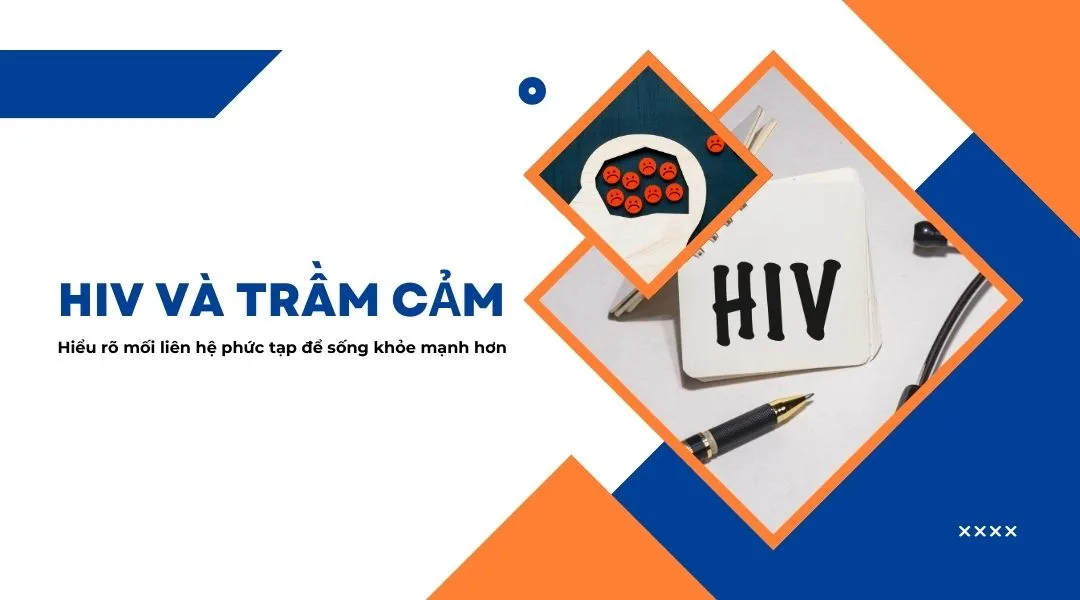
HIV and depression are two major global health challenges. Although they have different causes, they have a closely interrelated relationship. Studies show that the rate of depression in people living with HIV is 3 times higher than in the general population. Understanding this relationship helps us manage our health better.
How does HIV affect the immune system?
The HIV virus (Human Immunodeficiency Virus) directly attacks the body's immune system. It destroys CD4 cells, reducing the body's ability to fight disease. If left untreated, HIV progresses to AIDS, a severe condition where the immune system is severely weakened and can no longer protect the body.
What is depression?
Depression is a common mental health disorder. Characteristic symptoms include prolonged feelings of sadness and loss of interest in life. Depression can also cause physical symptoms such as fatigue, sleep disturbances, and loss of appetite. Causes may include genetics, living environment, or social and psychological factors.
The relationship between HIV and depression
People living with HIV have a very high risk of developing depression for several reasons:
- Psychological shock: The shock of discovering an HIV infection can cause extreme stress and anxiety.
- Physical impact: The HIV virus and related infections can cause fatigue and pain, leading to depression.
- Social pressure: Stigma and fear of isolation can increase feelings of guilt and hopelessness.
Conversely, depression also negatively affects the treatment of HIV. People with depression often find it difficult to adhere to their ARV medication schedules regularly. This weakens the immune system and increases the risk of dangerous complications.
Managing HIV and depression simultaneously
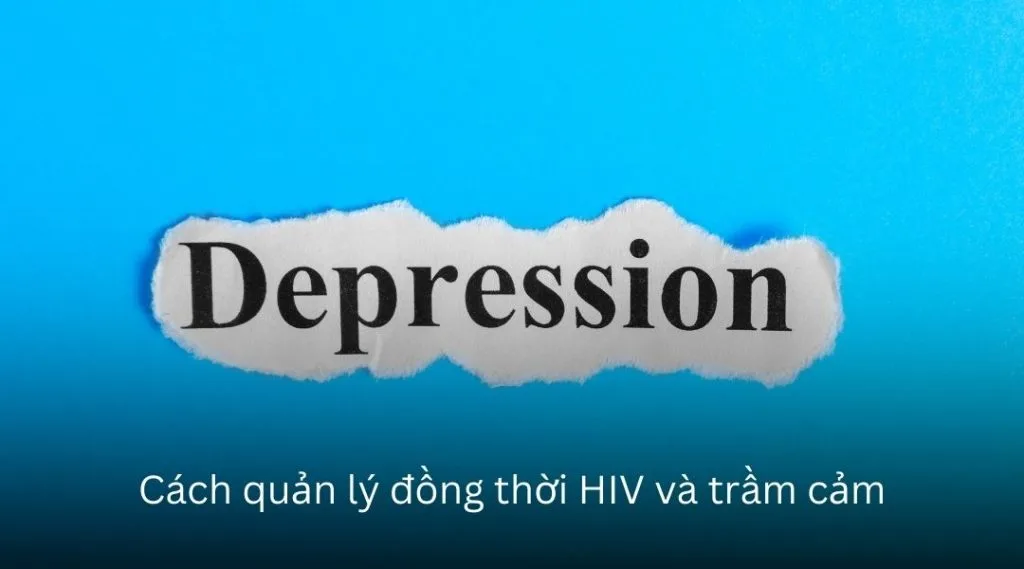
Treating both conditions simultaneously is essential to improve quality of life.
Specialized medical support
You should seek help from doctors experienced in both HIV and psychiatry. Coordinated treatment ensures that medications do not cause harmful interactions with each other.
Using antidepressant medications
These medications help balance brain chemicals, improve mood and sleep. However, their use must be prescribed and closely monitored by a specialist.
Psychotherapy (CBT)
Cognitive Behavioral Therapy (CBT) is highly effective for people living with HIV. CBT helps change negative thoughts and behaviors. This method equips individuals with skills to face challenges and improve mental health sustainably.
Joining support groups
Joining communities of people with similar experiences creates a safe space for sharing. Understanding from people in similar situations helps reduce feelings of loneliness. This is a significant source of motivation to maintain a positive outlook on life.
Conclusion
The relationship between HIV and depression is complex but entirely manageable. Receiving comprehensive treatment for both physical and mental health is the key to a healthier life.
Further reading
This article provides general information. For decisions about diagnosis, medicines or treatment, consult a qualified healthcare professional. Service availability and costs can change; confirm with the provider before booking. Our editorial approach
Published by Love2Test — Accessible sexual health information