Health
Adolescent Mental Health and HIV Risk
Mental health of adolescents in the HIV risk group: pressure, stigma, risky behaviors, and comprehensive, safe, and effective support solutions.
Updated


On this page
Adolescent mental health is a critical issue, especially among those at risk of HIV infection. These young people face social pressure, anxiety about their health status, and uncertainty about the future. These factors can negatively affect their mental state, leading to stress, depression, or even avoidance of seeking support.
This group also bears emotional burdens from stigma, fear of exposure, and limited access to medical information. Therefore, mental health counseling and support play a particularly important role, helping them care for themselves, cope with challenges, and improve their quality of life. This article presents factors affecting the mental health of adolescents at risk of HIV infection, along with care measures and available support to help them live confidently, safely, and maintain a healthy mindset.
The Importance of Adolescent Mental Health in the HIV Risk Group
Mental health among adolescents in the HIV risk group holds special significance, as they face many anxieties such as fear of infection, social stigma, life pressures, and emotional instability. If not properly cared for, these psychological issues can affect health behaviors, decision-making abilities, and overall quality of life.
- Reducing stress and anxiety: Adolescents in the risk group often face anxiety about HIV infection due to a lack of accurate information or being influenced by rumors and social biases. Good mental health helps them manage stress more effectively, reduce anxiety, and maintain a balanced life.
- Preventing depression and psychological effects: Pressure from family, friends, and society can cause some adolescents to fall into depression or feelings of isolation. This can lead to risky behaviors such as unsafe sexual practices or substance use to relieve stress. Emotional support and psychological counseling help prevent these consequences.
- Promoting correct health decisions: A stable mental state directly influences decisions related to sexual behavior and health care. Adolescents with positive emotional states tend to protect themselves better, such as using condoms, getting tested for HIV, and accessing accurate medical information.
- Building self-confidence and self-acceptance: Some adolescents in the HIV risk group may lack confidence in their gender identity or fear social stigma. Good mental health helps them accept themselves more, reduce feelings of inferiority, and improve relationships with people around them.
- Improving long-term quality of life: A healthy mindset helps adolescents live confidently, positively, and with clear future goals, without allowing fear and anxiety to hinder personal development opportunities.
Risky Behaviors That Increase the Risk of HIV Infection
Some behaviors significantly increase the risk of HIV infection, especially among adolescents lacking proper prevention knowledge.
- Unsafe sexual practices
- Not using condoms or using them incorrectly is the leading cause of infection.
- Some people do not use condoms due to lack of knowledge, thinking it is inconvenient or mistakenly believing their partners are not at risk.
- Using inappropriate lubricants such as oil or vaseline can cause condoms to tear or slip.
Prevention measures:
- Use condoms in every sexual encounter.
- Learn the correct way to use condoms.
- Use water-based or silicone-based lubricants.
- Having multiple sexual partners
- The more partners, the higher the risk of infection from an unknowingly infected person.
- Not getting tested for HIV regularly can lead to unintentional transmission.
Prevention measures:
- Always use condoms and safe lubricants.
- If having multiple partners, get regular sexual health check-ups every 3–6 months.
- Use PrEP (pre-exposure prophylaxis) for those at high risk.
- Sharing injection drugs
- Injecting drugs like heroin or methamphetamine and sharing needles is an important transmission route for HIV.
- Adolescents using drugs may have impaired judgment, leading to unsafe sexual practices.
Prevention measures:
- Avoid using drugs, especially injectable forms.
- If drug use is unavoidable, use sterile needles and avoid sharing them.
- Participate in counseling or treatment programs when necessary.
Limited Access to Information and HIV Prevention
Lack of knowledge about condom use:
- Some adolescents do not know how to use them correctly or believe that condoms reduce sensation.
- Some families and cultures do not emphasize sex education, limiting access to knowledge.
Lack of sexual health check-ups:
- Many people do not know that early HIV stages often have no symptoms.
- Some fear stigma or are reluctant to get tested.
Prevention measures:
- Strengthen safe sex education in schools and communities.
- Create easier access to free condoms and lubricants.
- Encourage adolescents to get tested for HIV at least every 3–6 months.
Social Inequality Increases HIV Risk
Social inequality is an important factor that increases the risk of HIV infection among adolescents, especially in the LGBTQ+ community. This group often faces discrimination, stigma, and lack of acceptance from families or society, negatively affecting mental health, leading to depression, stress, and risky sexual behaviors.
Promoting a socially understanding environment and reducing biases against LGBTQ+, along with psychological counseling services, are important solutions to reduce these issues.
In addition, economic barriers make some adolescents difficult to access condoms and health services, especially those in difficult circumstances or homeless. Free condom distribution programs in schools and communities, expanded free HIV testing, and access to PrEP will help reduce risk and improve sexual health care opportunities.
Adolescent Mental Health Counseling Process in the HIV Risk Group
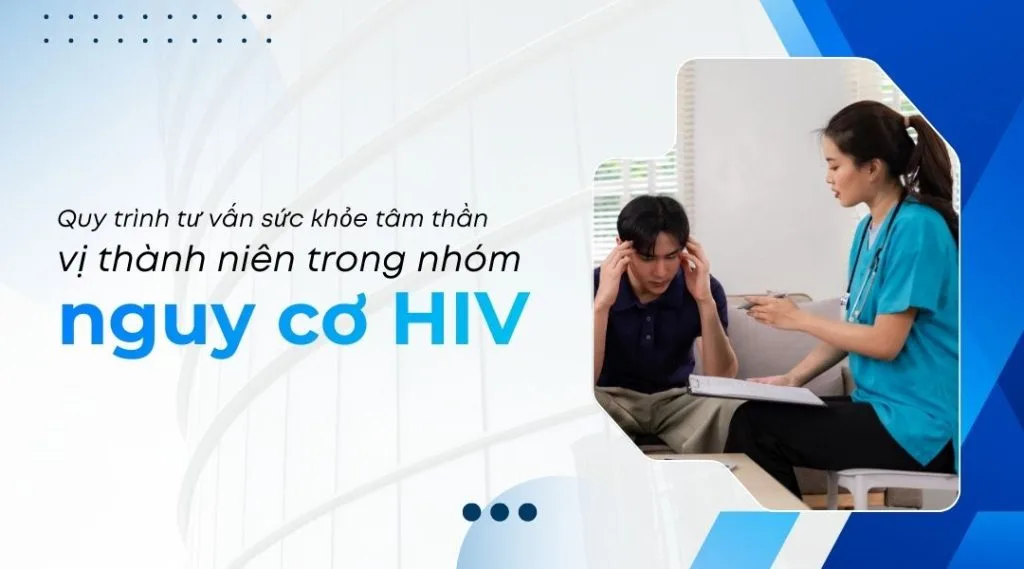
Building trust:
- Create a safe, non-judgmental environment to help adolescents openly share their issues.
Providing accurate information:
- Explain HIV prevention methods such as using condoms and PrEP.
- Provide information about HIV testing and local health services.
Emotional support:
- Help adolescents express their worries and fears.
- Encourage and inspire them to recognize their self-worth.
Developing decision-making skills:
- Train in making safe choices before risky behaviors.
- Encourage building healthy and safe relationships.
Connecting to health services:
- Introduce vaccinations, HIV testing, and PrEP use.
- Refer to mental health specialists when complex psychological issues arise.
Mental health counseling is an important tool to support adolescents in the HIV risk group, helping reduce anxiety, build self-confidence, and promote correct health decisions. The cooperation between families, schools, and healthcare facilities plays an essential role in creating positive changes in the lives of these adolescents.
Gratitude for the information sources:
- Common mental health issues among adolescents (www.psy.chula.ac.th/th/feature-articles/mental-heath-in-teenager)
- Adolescents and HIV: Transition to Adulthood (www.thewellproject.org/hiv-information/teens-and-hiv-transition-adulthood)
- HIV and Mental Health (www.hivinfo.nih.gov/understanding-hiv/fact-sheets/hiv-and-mental-health)
Further reading
This article provides general information. For decisions about diagnosis, medicines or treatment, consult a qualified healthcare professional. Service availability and costs can change; confirm with the provider before booking. Our editorial approach
Published by Love2Test — Accessible sexual health information