Health
PrEP: Understanding HIV Pre-Exposure Prophylaxis
One of the most advanced methods to effectively reduce the risk of HIV infection today is the use of PrEP medication.
Updated

On this page
Preventing HIV infection is an important issue that everyone needs to be concerned about. HIV not only affects physical health but also impacts the quality of life. One of the most advanced methods to effectively reduce the risk of HIV infection today is the use of PrEP medication.
This type of medication was developed to prevent infection before exposure to the source of the disease, especially for high-risk groups. Using PrEP is not only convenient and safe but also helps you feel more confident in life. When combined with other measures such as condoms and regular health check-ups, the protective effect will be optimized.
What is PrEP?
PrEP (short for Pre-Exposure Prophylaxis) is also known as Pre-Exposure Prophylaxis, which is a method of using antiviral drugs to prevent HIV infection in people who are not infected but are at high risk.
The mechanism of action of PrEP is to introduce the drug into the body before exposure to the source of infection. The drug will inhibit the replication of the HIV virus. When the drug accumulates to a sufficient concentration in the blood and sensitive tissues (such as the genital tract, rectum), it will create a protective barrier for immune cells (CD4), preventing the HIV virus from entering and spreading in the body.
Who should use PrEP?
PrEP is suitable for people with a negative HIV test result and a high-risk lifestyle or behavior, including:
- People with many partners or frequently changing partners.
- Men who have sex with men (MSM).
- People working in prostitution.
- People who have unsafe sexual relations (without using condoms) with HIV-positive individuals or people with unknown infection status.
- People who use injectable drugs.
- People who have had sexually transmitted infections (STIs) within the past 6 months.
- People who have used PEP (Post-Exposure Prophylaxis) multiple times and still have high-risk behaviors.
Does PrEP really prevent HIV?
Many scientific studies have confirmed that PrEP can prevent HIV infection up to over 90% if used correctly and in accordance with the dosage.
Important note:
- PrEP DOES NOT prevent other sexually transmitted diseases such as: Syphilis, Gonorrhea, Genital Warts, Herpes, etc.
- Therefore, you need to use condoms every time you have sex to ensure double protection: preventing both HIV and other sexually transmitted diseases.
The process of starting to use PrEP
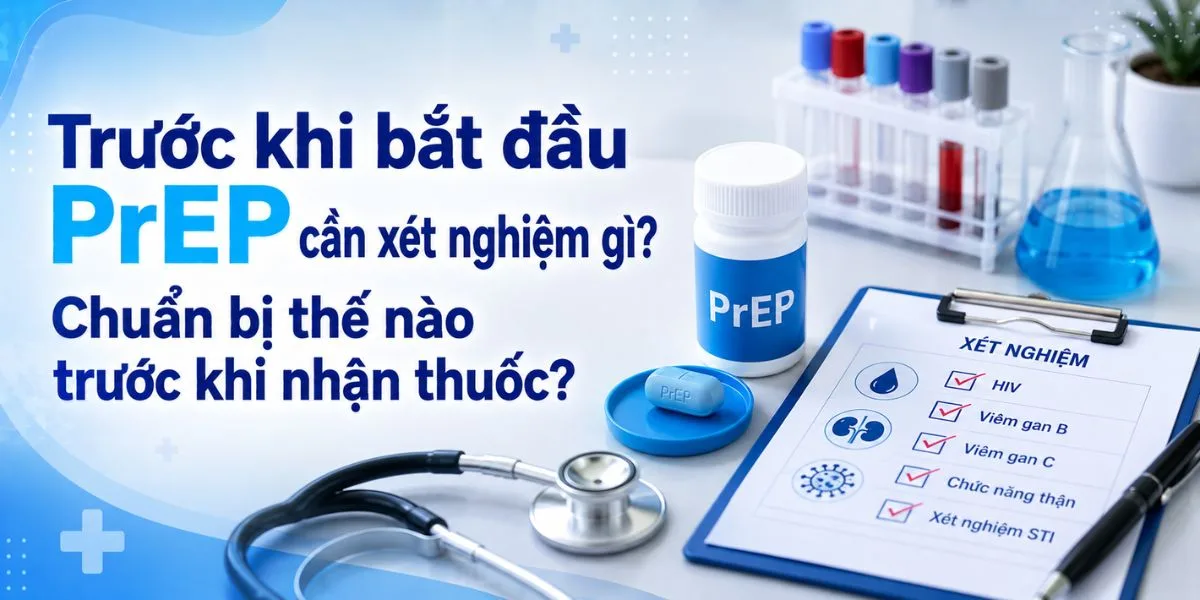
To safely start using PrEP, you need to follow these medical checks:
- HIV testing: It is mandatory to have a Negative result before using PrEP. If you are already infected with HIV, using PrEP alone can lead to drug resistance, making future treatment more difficult.
- Liver and kidney function tests: To ensure your body can metabolize and eliminate the drug effectively.
- Screening for other sexually transmitted diseases: To detect and treat any conditions early on.
If your doctor assesses that your health is suitable, you will be prescribed the medication.
PrEP usage methods
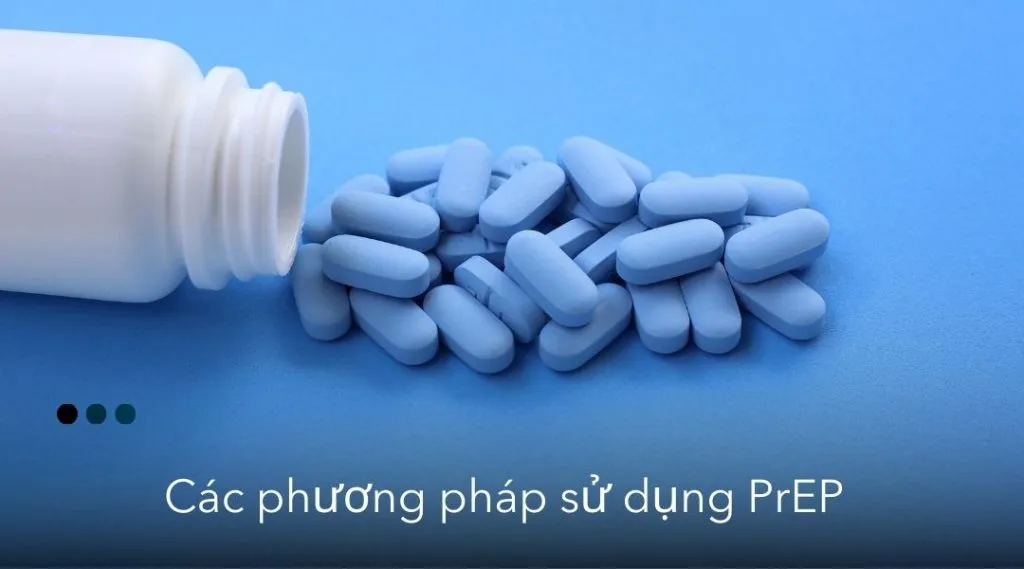
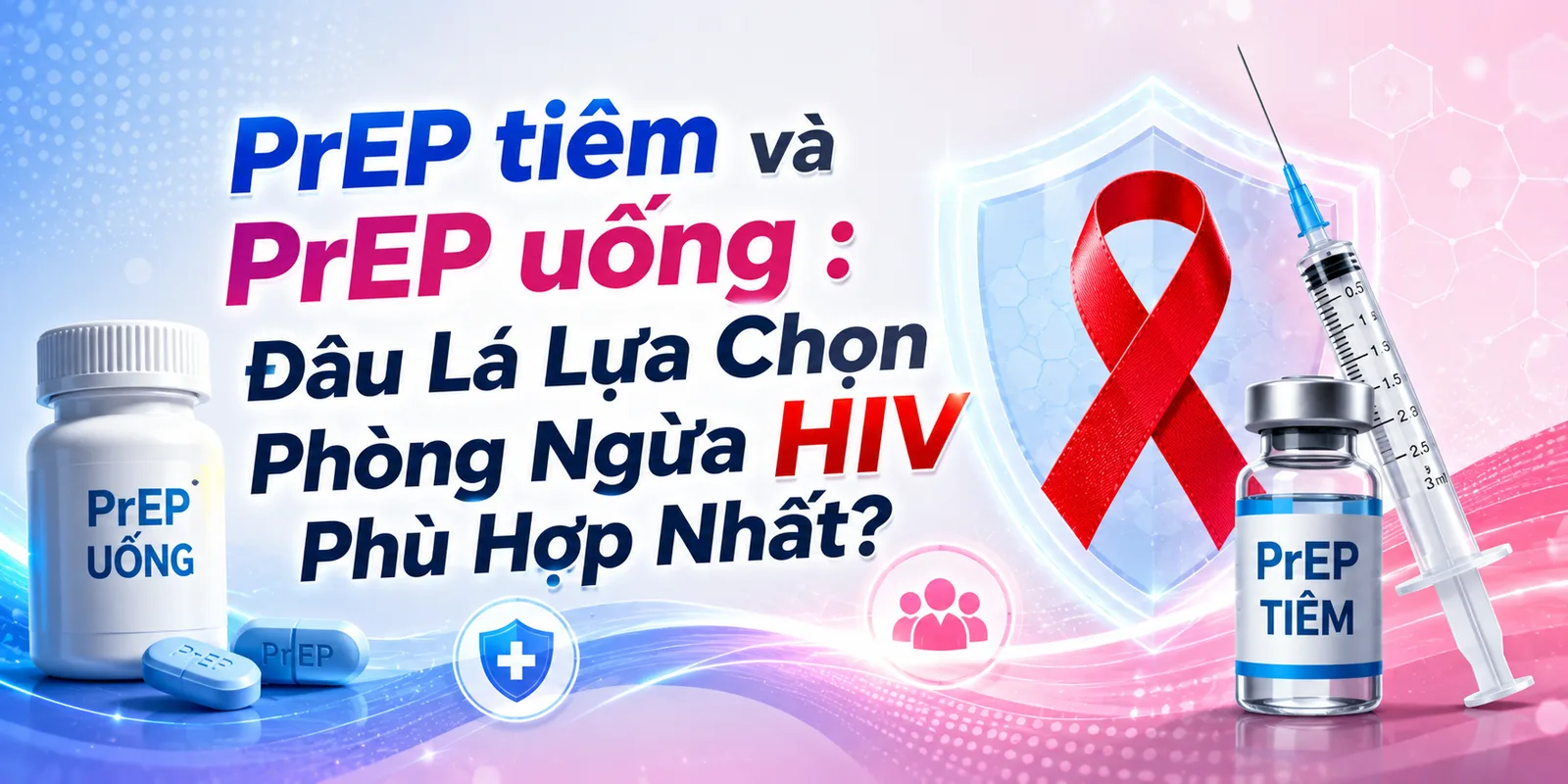
Currently, there are 2 common methods of taking PrEP, depending on your sexual activity frequency and lifestyle:
Daily PrEP
- Target group: Suitable for all risk groups, especially those who cannot plan ahead for sexual activity or have a high frequency of sexual activity.
- Usage: Take 1 pill every day at a fixed time.
- Efficacy: It needs to be taken continuously for 7 days before sexual activity to reach the maximum protective concentration in the body.
On-Demand PrEP / ED-PrEP
- Target group: Only recommended for the group of men who have sex with men (MSM) with infrequent sexual activity (less than 2 times per week) and can plan ahead.
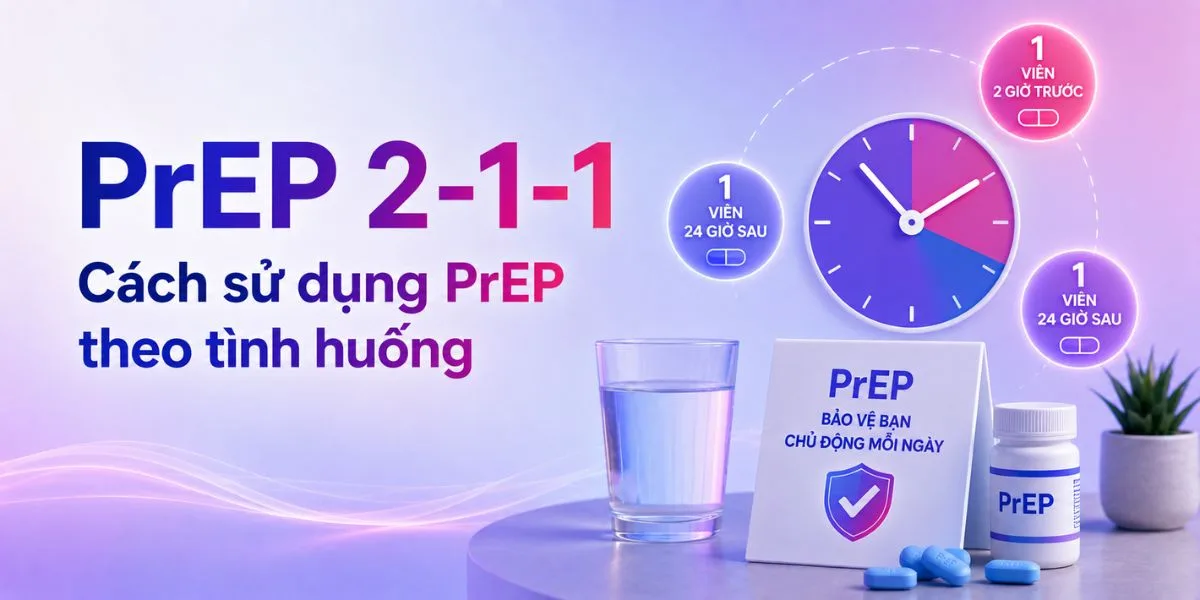
- 2-1-1 formula:
- Take 2 pills 2 to 24 hours before sexual activity.
- Take 1 pill 24 hours after the first pill.
- Take 1 pill again 24 hours after the second pill.
Steps to access and receive PrEP medication
The standard process to receive PrEP at medical facilities usually includes:
- Contact a medical facility: Find clinics, hospitals, or health organizations that provide PrEP services.
- Schedule an appointment: Register for a consultation and screening.
- Consultation and Testing: The doctor will consult, take blood tests for HIV, liver and kidney function, and other STIs.
- Receive medication: If eligible, the doctor will prescribe the medication (usually for the first 1 month for monitoring).
- Follow-up: You need to return for regular follow-up appointments (usually every 3 months) for HIV retesting and to receive more medication.
How is PrEP different from PEP?
Many people confuse these two concepts:
- PrEP (Pre-Exposure Prophylaxis): Prevention BEFORE exposure. For people who have not been exposed to the infection source, taken daily or on-demand to prevent before exposure.
- PEP (Post-Exposure Prophylaxis): Prevention AFTER exposure. For people who have had high-risk behavior (e.g., broken condom, unsafe sex) and need to take emergency medication within 72 hours to prevent the virus from entering the body.
Are the side effects of PrEP dangerous?
Most people using PrEP do not experience serious side effects. A few may experience mild symptoms at the beginning such as: nausea, headache, dizziness, or diarrhea. These symptoms usually disappear after a few weeks.
However, regular kidney function checks are necessary to ensure absolute safety during long-term use.
Do you have to take PrEP for life?
No. You only need to use PrEP during the period when you feel you are at high risk of infection. If your lifestyle changes (e.g., you have a monogamous relationship, no longer have high-risk behavior), you can consult your doctor to safely stop using PrEP.
Note: This article is for reference only. For the most accurate consultation about your health condition, please contact a specialist doctor directly.
Further reading
This article provides general information. For decisions about diagnosis, medicines or treatment, consult a qualified healthcare professional. Service availability and costs can change; confirm with the provider before booking. Our editorial approach
Published by Love2Test — Accessible sexual health information