Health
How Effective Is PrEP? Important Things to Know Before Using It
How effective is PrEP in preventing HIV? Learn about its mechanism of action, level of protection, and important things to know before using PrEP.
Updated


On this page
PrEP is becoming one of the most popular methods for preventing HIV today due to its effectiveness and proactive approach to sexual health. However, many people still wonder how effective PrEP is, how to use it to achieve optimal results, and whether the medication is suitable for them. Understanding PrEP correctly not only helps reduce the risk of HIV infection but also makes users feel more secure in their daily lives. In this article, we will explore in detail the actual effectiveness of PrEP, its mechanism of action, important considerations before use, and how to safely and effectively optimize its preventive capabilities against HIV.
How effective is PrEP?
PrEP is becoming one of the most popular methods for preventing HIV today. As more people learn about HIV and sexual health, the question 'How effective is PrEP?' appears more frequently. This is not only a concern for people at high risk but also for anyone who wants to actively protect their health.
PrEP stands for 'Pre-Exposure Prophylaxis', meaning the use of medication to prevent HIV infection before exposure. This method is intended for people who are not infected with HIV but have a risk of coming into contact with the virus. When used correctly and consistently, PrEP can reduce the risk of HIV infection through sexual contact by up to over 90%. The high effectiveness of PrEP has been proven through numerous large-scale studies worldwide. This is considered an important step in modern HIV prevention efforts, helping many people feel more secure in their sexual lives and significantly reducing the number of new infections.
How does PrEP work to prevent HIV?
To understand how effective PrEP is, it is important to understand how the medication works in the body. PrEP contains antiviral agents that prevent HIV from replicating if the virus enters the body. When used correctly according to guidelines, the drug concentration remains stable in the blood and sensitive tissues such as the rectum or vagina. If the body comes into contact with HIV, the drug will hinder the virus's development and prevent the infection process. It is important to note that PrEP does not eliminate HIV from the outside but creates a protective layer inside the body. Therefore, the effectiveness of the drug depends heavily on consistent and timely use.
How effective is PrEP when used correctly?
Scientific studies show that PrEP is very effective if used according to guidelines. For sexual activity, the effectiveness of HIV prevention can reach approximately 99% when users take the medication daily. For people who inject drugs, PrEP also significantly reduces the risk of HIV infection. However, the level of protection may be slightly lower compared to prevention through sexual activity because it depends on many other factors. Notably, most cases of HIV infection while using PrEP are related to forgetting to take the medication or using it incorrectly. This shows that the effectiveness of PrEP is closely linked to treatment adherence.
Is PrEP still effective if you forget to take it?
One of the issues that many people are concerned about is whether forgetting to take the medication reduces its effectiveness. In reality, PrEP needs to be taken consistently to ensure the drug concentration is high enough in the body. If you occasionally forget a dose, the risk of reduced effectiveness may not be too significant, but frequently forgetting doses will significantly reduce the protective capability. HIV can exploit this gap to invade and cause infection. Therefore, users of PrEP should develop a habit of taking the medication at the same time every day. Some users use alarms or reminder apps to avoid forgetting their medication.
Does PrEP become effective immediately after taking it?
PrEP does not provide immediate protection after the first dose. The body needs time to reach a drug concentration sufficient to combat HIV. For anal sex, PrEP typically reaches optimal protective effectiveness after about 7 days of continuous use. For vaginal sex or drug use through injection, the time may be longer. This is why users should start PrEP before having the risk of exposure to HIV, rather than waiting until after unsafe sexual activity.
Who should use PrEP?
PrEP is generally recommended for people at high risk of HIV infection. This includes men who have sex with men, people with multiple partners, people with HIV-positive partners, or people who frequently engage in sexual activity without using condoms.
In addition, people who have previously had sexually transmitted infections or use drugs through injection may also be advised to use PrEP. Evaluating whether PrEP is suitable should be done with healthcare professionals to ensure safety and effectiveness.
Does PrEP replace condoms?
Although PrEP is highly effective in preventing HIV, it cannot completely replace condoms. PrEP only protects against HIV, while condoms help reduce the risk of other sexually transmitted infections such as gonorrhea, syphilis, or chlamydia.
Combining PrEP with condoms is considered a more comprehensive protection strategy. This is especially important for people with multiple partners or who are unsure about their partner's health status.
What types of PrEP are available today?
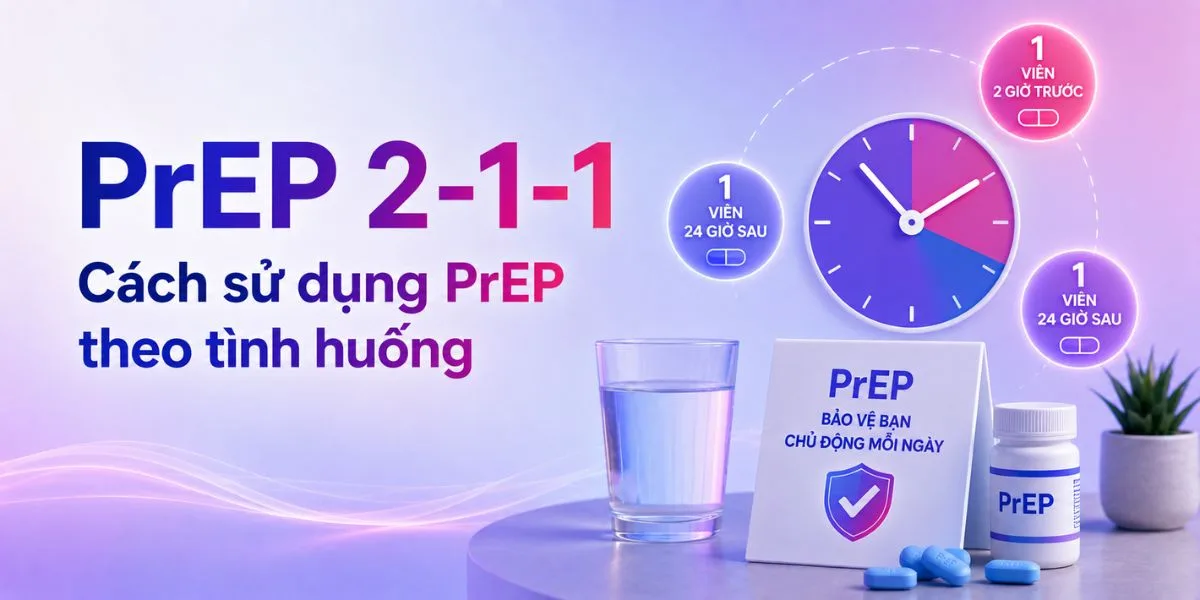
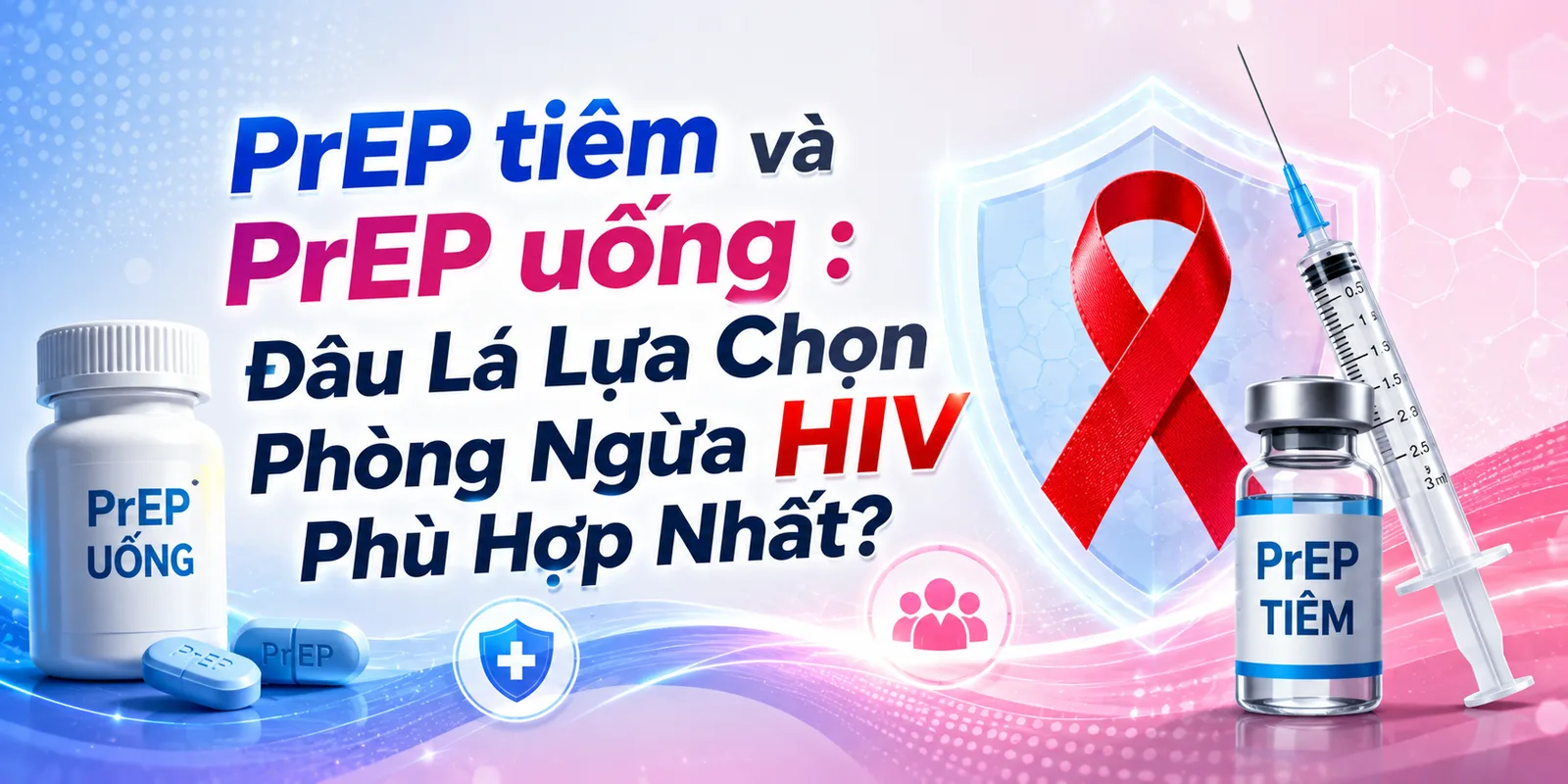
Currently, there are several forms of PrEP available to suit the needs of different individuals. The most common is daily oral PrEP, where users take one pill per day to maintain protective capability. In addition, there is event-based PrEP for specific groups of people. This method requires taking medication before and after sexual activity according to a specific schedule. Recently, long-acting injectable PrEP has also gained attention because it reduces the pressure of taking a pill every day. However, this form may not be available everywhere.
The difference between PrEP and PEP
Many people often confuse PrEP with PEP. PrEP is medication used for prevention before exposure to HIV, while PEP is medication used after potential exposure. PEP needs to be started as soon as possible, ideally within 72 hours after potential exposure. In contrast, PrEP is used proactively and continuously for prevention. Both play important roles in the HIV prevention strategy but are used in different situations.
Are the side effects of PrEP serious?
When exploring how effective PrEP is, many people are also worried about side effects. In reality, most PrEP users do not experience serious issues. Common side effects include mild nausea, headache, or stomach discomfort in the early stages of use. These symptoms usually improve after a few weeks. In rare cases, PrEP may affect kidney function or bone density. Therefore, users need regular health check-ups to monitor their condition.
What tests are needed before using PrEP?
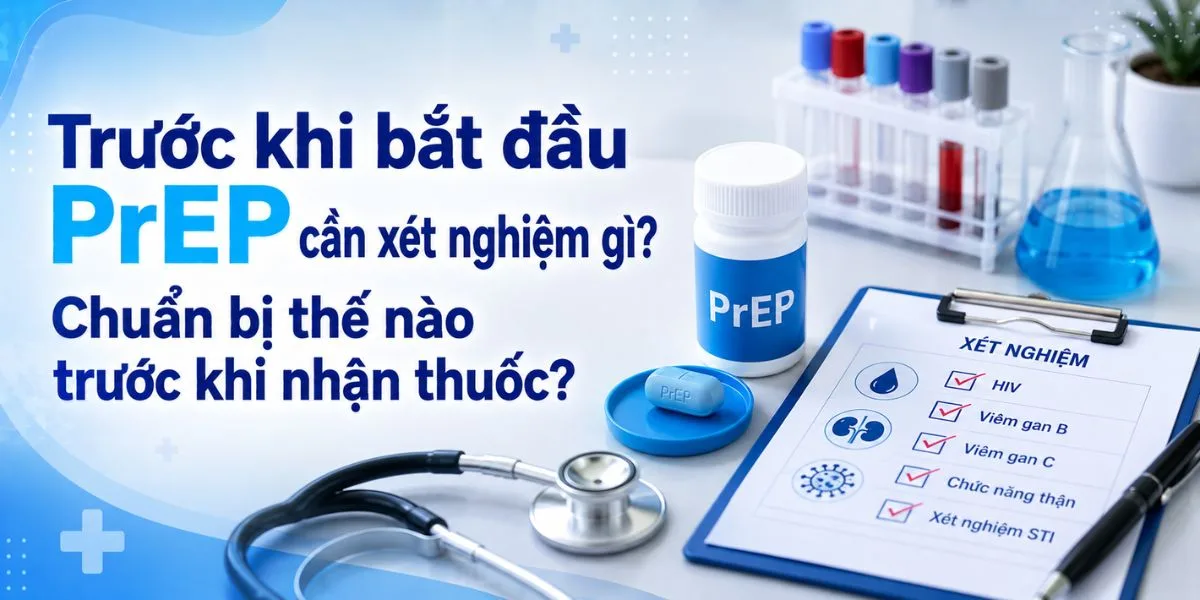
Before starting PrEP, users need an HIV test to confirm they are not infected with the virus. This is an important step because PrEP is not a treatment for HIV.
In addition, doctors may also request kidney function tests, hepatitis B screening, and screening for other sexually transmitted infections. Regular health checks during PrEP use help ensure the medication remains safe and effective.
Is PrEP suitable for everyone?
Although PrEP is an effective prevention method, it is not suitable for everyone. People with a low risk of HIV infection may not need to use PrEP regularly. In addition, people with severe kidney disease or certain health conditions need to be carefully evaluated by a doctor before using the medication. Choosing PrEP should be based on actual risk levels and medical advice rather than self-use.
Why is PrEP increasingly receiving attention?
Over the years, HIV is no longer seen as an uncontrollable disease as it once was. The development of ARV treatment and prevention methods like PrEP has changed the approach to HIV. More and more people choose PrEP because they want to actively protect themselves rather than wait for risks to occur. This reflects a positive change in modern sexual health awareness. PrEP also helps reduce HIV stigma by encouraging people to be more open about testing, prevention, and health care.
What factors affect the effectiveness of PrEP?
Although PrEP is highly effective, there are some factors that affect the drug's protective capability. Irregular medication use, missed doses, or sudden discontinuation of the medication are the most common reasons for reduced effectiveness. In addition, not having regular health check-ups can also affect the outcome because users may not detect related issues or HIV infection risks early on.
A subjective mindset after using PrEP is also something to be mindful of. Some people may reduce condom use or increase risky behavior because they believe PrEP offers absolute protection. However, no method guarantees 100% safety.
The future of PrEP in HIV prevention
PrEP is playing an increasingly important role in the global strategy to reduce new HIV infections. Many studies continue to develop new drug forms that are more convenient, have fewer side effects, and are suitable for more people.
The emergence of long-acting injectable PrEP and new prevention technologies shows that the future of HIV prevention is becoming more positive. This helps users have more choices that suit their needs and lifestyles.
How effective is PrEP is a question that many people are interested in when learning about HIV prevention. In reality, when used correctly and consistently, PrEP can provide very high protection against the risk of HIV infection. However, the effectiveness of the drug depends largely on treatment adherence, regular testing, and combining with other safety measures such as using condoms. Understanding PrEP correctly not only helps individuals actively protect their health but also contributes to reducing new HIV infections in the community.
References
- World Health Organization (WHO). HIV/AIDS Fact Sheets and guidelines for HIV prevention using PrEP.
- Centers for Disease Control and Prevention (CDC). Information on the effectiveness and guidelines for using PrEP in HIV prevention.
- UNAIDS. Reports and global data on HIV/AIDS prevention.
Further reading
This article provides general information. For decisions about diagnosis, medicines or treatment, consult a qualified healthcare professional. Service availability and costs can change; confirm with the provider before booking. Our editorial approach
Published by Love2Test — Accessible sexual health information