Health
Negative HIV Test: How Accurate Is It and When to Retest?
A negative HIV result may not be entirely accurate if the test is done too early. Learn when you should retest for greater peace of mind.
Updated

On this page
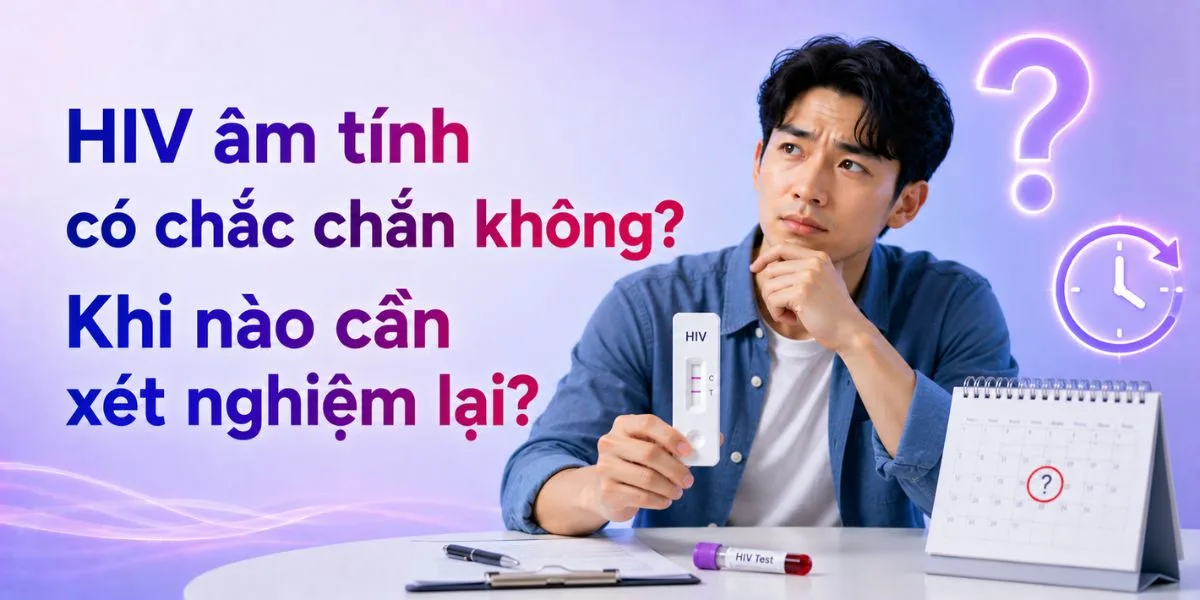
Receiving a negative HIV result can bring relief to many people, however, this result does not always accurately reflect the actual health status. If the test is conducted too early after the suspected exposure, the negative result may be a false negative due to the virus not yet reaching a detectable level.
The article below will help you understand the true meaning of a negative HIV result, the factors affecting its accuracy, and the appropriate time to retest for complete reassurance.
Factors Affecting the Accuracy of a Negative HIV Result
The accuracy of an HIV test result depends on several factors, and the person being tested should be aware of the following points:
- The time of testing compared to the suspected exposure
- Type of test used: antibody, antigen-antibody, or PCR
- Individual window periods may vary in length
- Quality of the sample and the testing procedure at the facility
- Use of pre-exposure prophylaxis (PrEP) or post-exposure prophylaxis (PEP) drugs may affect the result
What Is a Negative HIV Result and Its Implications
A negative HIV result means that at the time of testing, no antibodies, antigens, or genetic material of the HIV virus was detected in the sample. This is a positive sign but does not necessarily mean that the person is completely uninfected, especially if the test was conducted during the window period.
For a negative HIV result to have high diagnostic value, the person being tested should follow the recommended timing and may need to retest after a certain period, depending on the type of test used.
What Is the Window Period
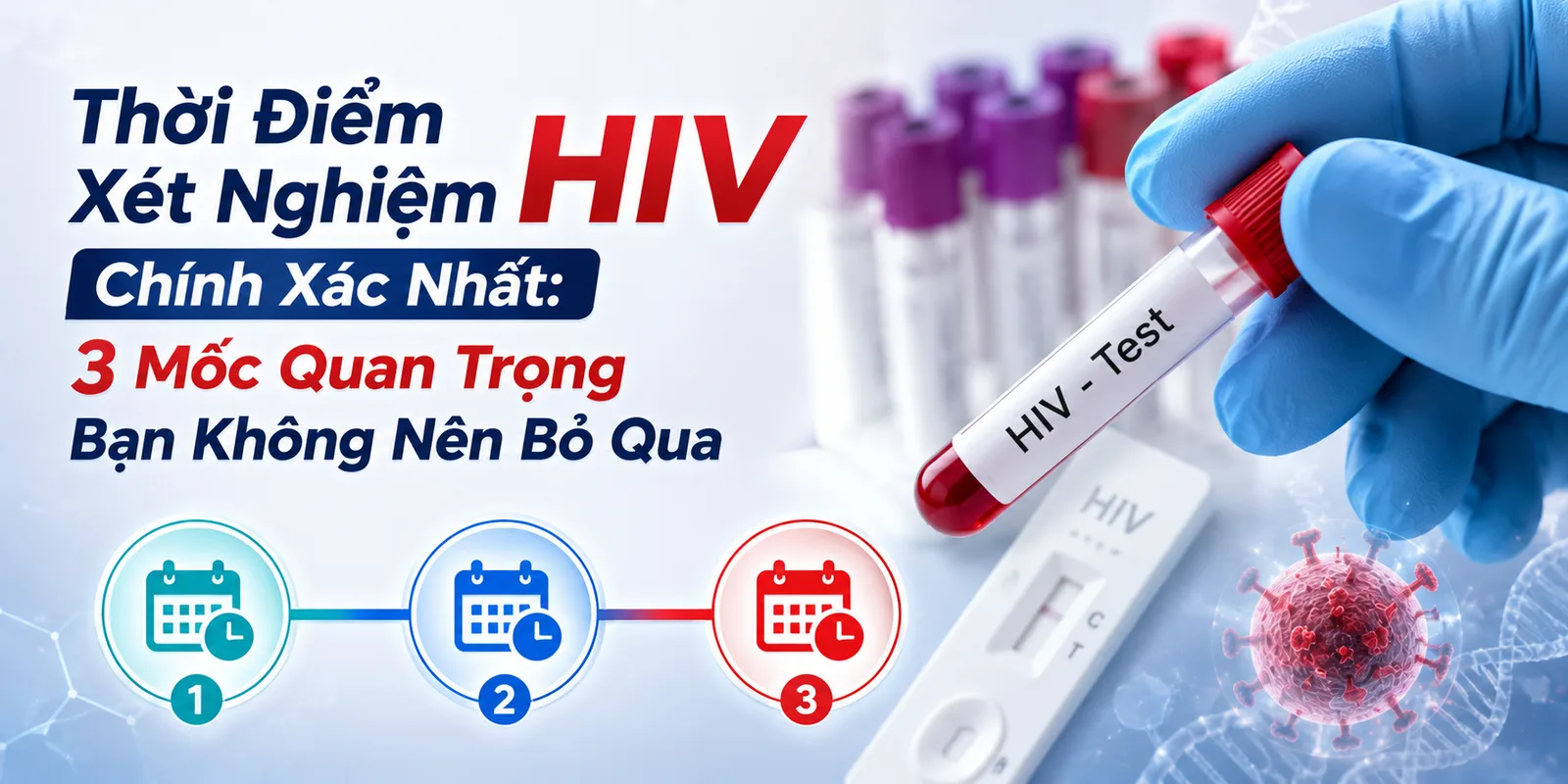
The window period is the time from when a person is infected with HIV to when the test can detect the presence of the virus. During this period, even if infected, the test may still return a negative result because the levels of antibodies or antigens are not yet sufficient for detection.
The window period varies depending on the type of test: antibody tests usually have a longer window period compared to antigen-antibody combination tests or PCR tests. Understanding the window period helps the person being tested choose the appropriate time for the most accurate result.
Table of Retesting Times According to HIV Test Types
Below is a summary table of window periods and the recommended retesting times for each common type of HIV test currently available.
| Type of Test | Window Period | Recommended Testing Time | Recommended Retesting |
|---|---|---|---|
| Antibody Test | 3 – 12 weeks | 4 weeks after exposure | After 3 months |
| Antigen-Antibody Combo | 2 – 6 weeks | 2 – 4 weeks after exposure | After 6 – 8 weeks |
| PCR (Nucleic Acid Test) | 10 – 33 days | 10 days after exposure | After 4 weeks |
When Should You Retest After a Negative HIV Result
A negative result does not always mark the end of the monitoring process. The person being tested should consider retesting in the following situations:
- A negative result but the test was conducted during the window period
- Continuing high-risk behaviors after the initial test
- Appearance of symptoms suggestive of acute HIV infection such as fever, swollen lymph nodes, or rash
- The partner was diagnosed with HIV after the person's initial test
- Currently using PrEP or PEP drugs and following a regular monitoring schedule
Why a Negative HIV Result May Still Not Be Completely Accurate
In addition to the window period factor, a negative HIV result may not accurately reflect the actual condition if the person is undergoing pre-exposure or post-exposure prophylaxis drugs, which can delay the production of antibodies. Errors in sample collection or storage can also affect the accuracy of the result.
According to recommendations from the Centers for Disease Control and Prevention (CDC), if high-risk behaviors continue after the initial test, the person should continue monitoring and undergo regular testing to ensure early detection if infected.
Current HIV Testing Methods
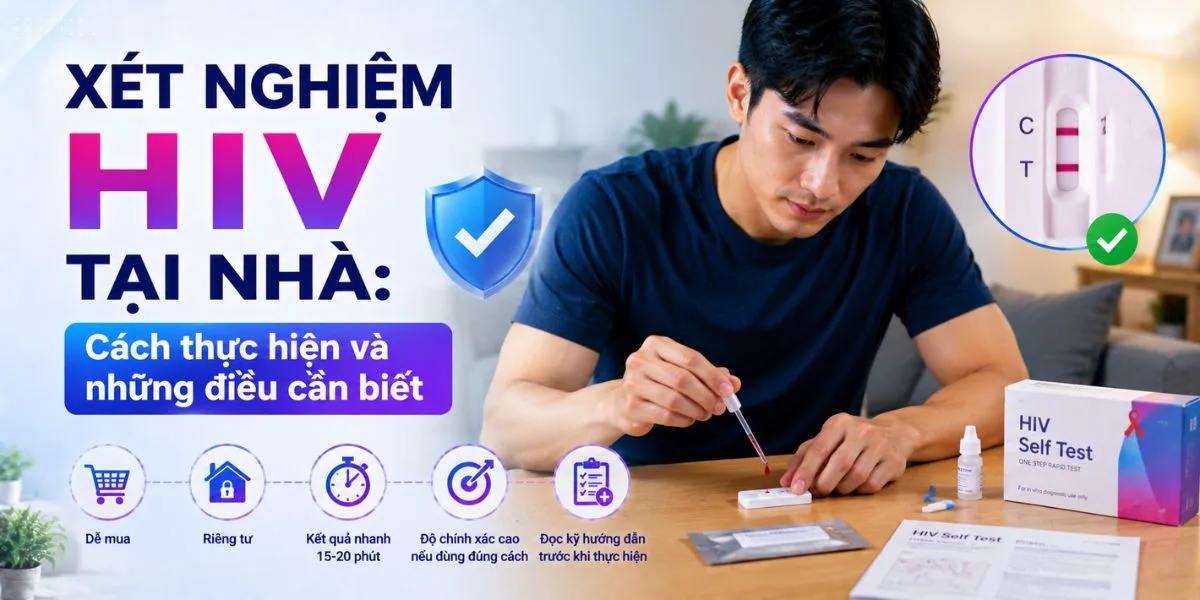
Currently, there are three main groups of HIV testing methods that are widely used, including rapid antibody tests that provide results within 20–30 minutes, new-generation immunoassays that detect both antigens and antibodies, and highly sensitive PCR tests that can detect the virus earliest.
Each method has different sensitivity and window periods, so the person being tested should consult a doctor to choose the appropriate test type based on the exposure time and the purpose of the test.
How to Ensure the Most Accurate HIV Test Result
To obtain the most accurate HIV test result, the person being tested should choose an appropriate time according to the test type, avoiding testing too early after exposure. Conducting the test at a reputable medical facility with standard equipment also contributes to the reliability of the result.
Additionally, the person being tested should truthfully share with the doctor the suspected exposure time and any medications currently being used to receive appropriate advice on the timing of the test and retesting.
Do You Need to Use PrEP If You Have a Negative HIV Result
For individuals with a negative HIV result but who are in a high-risk group, such as having multiple partners or frequently engaging in unsafe sexual practices, a doctor may recommend using pre-exposure prophylaxis (PrEP) to significantly reduce the risk of HIV infection in the future.
The use of PrEP should be accompanied by regular HIV testing as scheduled by the doctor to ensure the effectiveness of prevention and early detection if infected during the medication period.
When Should You Consult a Doctor for Further Advice

If you are still concerned about the accuracy of your negative HIV result or unsure about the appropriate testing time, you should proactively visit a specialist for detailed consultation. The doctor will base their advice on the exposure time, the type of test performed, and individual risk factors to provide the most accurate recommendations.
Actively seeking medical consultation not only helps you feel more confident about your test results but also provides an opportunity to receive effective HIV prevention advice for the future.
Further reading
This article provides general information. For decisions about diagnosis, medicines or treatment, consult a qualified healthcare professional. Service availability and costs can change; confirm with the provider before booking. Our editorial approach
Published by Love2Test — Accessible sexual health information