Health
When to Test for HIV: 3 Important Testing Milestones
Discover the most accurate time to test for HIV after exposure. Explore 3 important milestones that can increase the reliability of your HIV test results.
Updated

On this page
The timing of an HIV test plays a crucial role in ensuring accurate results and helping those at risk access treatment or prevention in a timely manner. Many people are still unaware that testing too early after exposure can result in a false-negative result because the body has not yet produced enough markers for the test to detect. Understanding the right time to test for HIV will help you proactively protect your health, reduce unnecessary anxiety, and increase the chances of early detection if infected with HIV. Let's explore the 3 most important time points with Love2Test.vn.
Why Should You Pay Attention to the Timing of an HIV Test?
HIV is a virus that causes immunodeficiency in humans. After entering the body, the virus needs a certain amount of time to produce antigens, antibodies, or a viral load large enough to be detected by testing methods.
This is referred to as the 'window period'. If tested during this time, the results may not accurately reflect the HIV infection status. Therefore, choosing the correct time to test for HIV will help increase the accuracy of the results and support appropriate medical decisions.

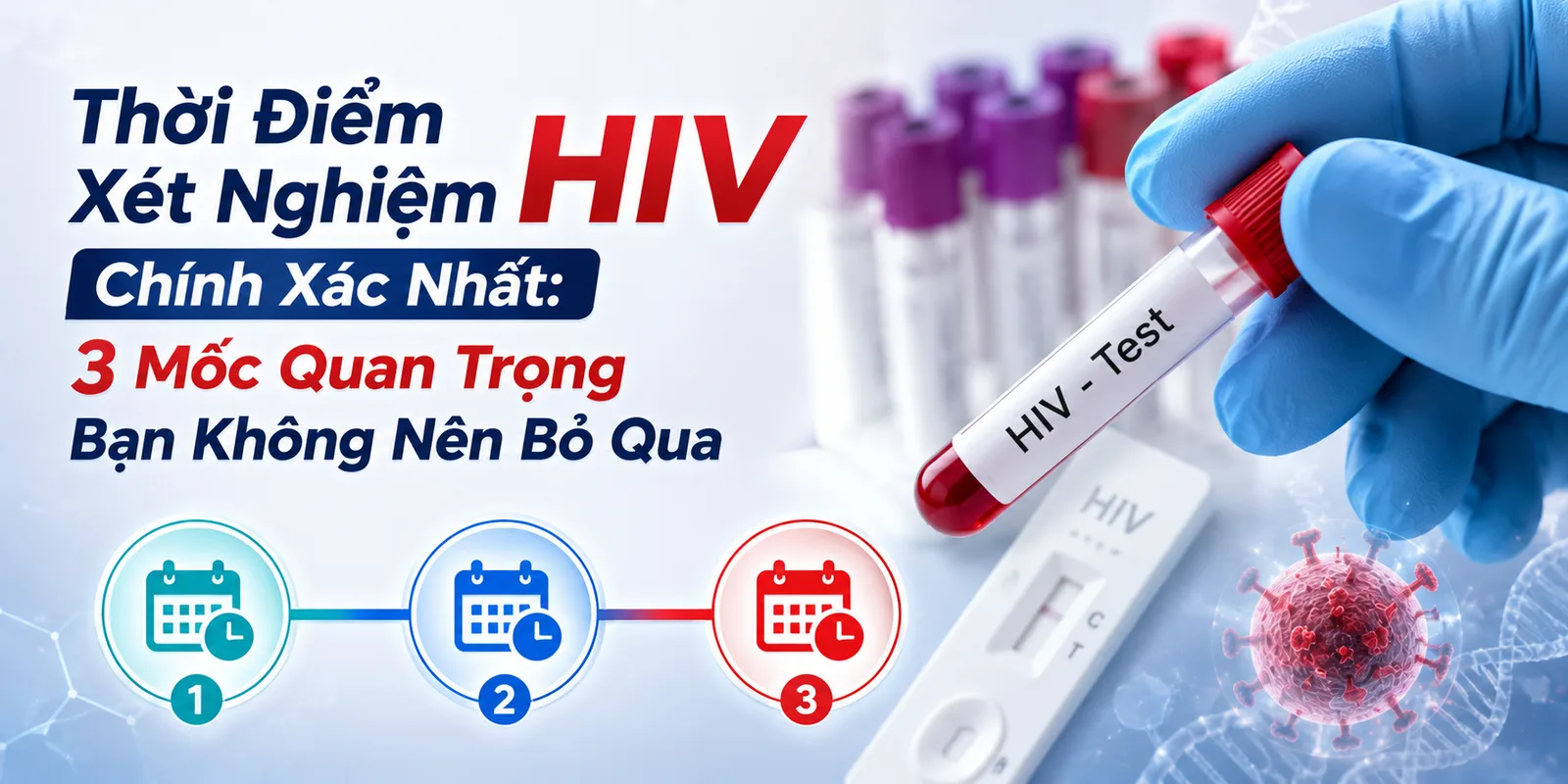
3 Golden Time Points for HIV Testing
1. HIV Testing 1–2 Weeks After Exposure
This is the earliest period where specialized tests like PCR can detect the presence of the HIV virus in the blood.
Features
- Can detect the virus before the body produces antibodies.
- Usually applied for cases requiring early risk assessment.
- The accuracy depends on the testing technique.
Notes
Not all medical facilities offer PCR testing. In addition, the cost is usually higher than conventional HIV testing methods.
2. HIV Testing 4–6 Weeks After Exposure
This is a time period that many experts consider very suitable for performing the 4th-generation HIV test.
This test can detect:
- The p24 antigen of HIV
- Anti-HIV antibodies
Advantages
- High sensitivity.
- Detects HIV earlier than conventional antibody tests.
- Commonly used at many medical facilities.
For many cases, testing at this stage can already provide reliable results.
3. HIV Testing 3 Months After Exposure
This is considered a time point with very high accuracy for most current HIV testing methods.
After 3 months:
- The body has produced enough antibodies if infected with HIV.
- The test results are highly reliable.
- Usually used to confirm the final result.
If you have experienced a risky behavior, this is an important milestone that should not be overlooked.
Groups That Should Undergo Regular HIV Testing
In addition to testing after exposure, some groups should proactively undergo regular HIV testing:
- People with multiple partners.
- Men who have sex with men (MSM).
- Transgender individuals.
- People who have had sexual relations without using condoms.
- People who have had sexually transmitted infections.
- People using PrEP should be monitored regularly.
- People whose partners live with HIV.
Regular testing helps detect HIV early and reduces the risk of transmission in the community.
Factors That Can Affect HIV Test Results
Type of test used
Each testing method has a different time to detect HIV:
| Type of test | Detection time |
|---|---|
| HIV PCR | 1–2 weeks |
| 4th-generation HIV test | 4–6 weeks |
| Antibody test | Around 3 months |
Time of exposure
Testing too early can cause the results to not accurately reflect the HIV infection status.
Health status
Some factors related to the immune system can affect the antibody production process and the time to detect HIV.
Current HIV Testing Process
Pre-test counseling
Healthcare staff will explain:
- The significance of the test.
- Suitable types of tests.
- The appropriate time for an HIV test.
Sample collection
You can use:
- Fingertip blood.
- Vein blood.
- Oral fluid (depending on the test type).
The process is quick and safe.
Receiving results and counseling
After receiving the results, you will be advised on:
- The meaning of the results.
- The next steps if needed.
- Guidance on HIV treatment or prevention.
Why Should You Undergo Regular HIV Testing?
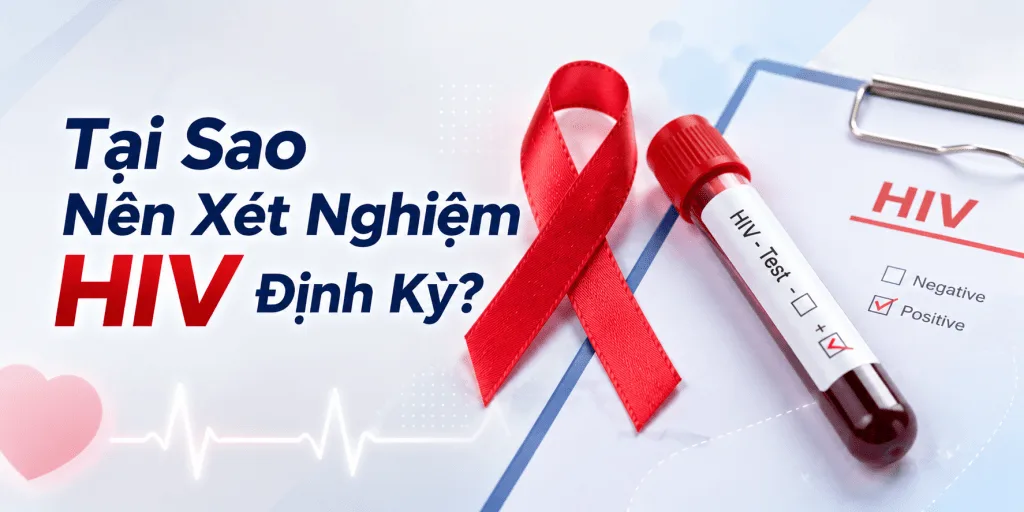
Many people infected with HIV do not show symptoms in the early stages.
Therefore, regular testing helps:
- Detect HIV early.
- Access ARV treatment in a timely manner.
- Protect long-term health.
- Reduce the risk of transmission to partners.
Today, people living with HIV who receive proper treatment can achieve an undetectable viral load and live as healthily as normal individuals.
Where Can You Safely and Confidentially Get an HIV Test?
Currently, you can access HIV testing services at:
- Hospitals and medical centers.
- Friendship clinics.
- Community organizations.
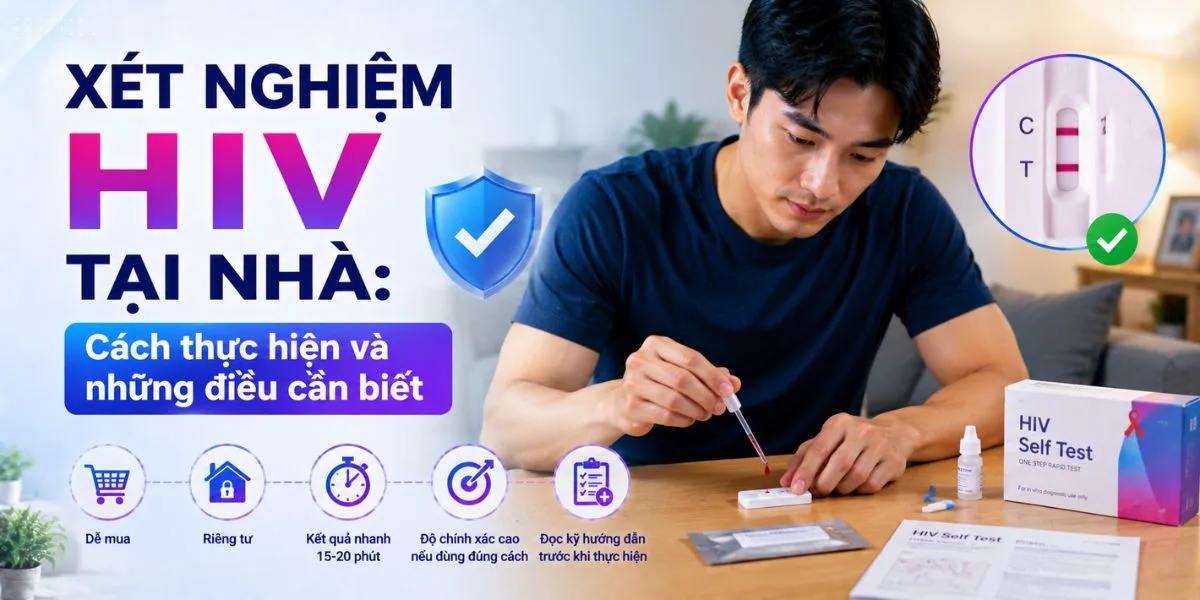
- Home-based self-testing services.
Love2Test.vn provides a lot of useful information about HIV, HIV testing, PrEP, PEP, and sexual health protection measures, helping you easily access accurate and reliable knowledge.
Conclusion
Understanding the right time to test for HIV is an important step in receiving accurate and reliable results. The three important time points, including 1–2 weeks, 4–6 weeks, and 3 months after exposure, each have their own significance depending on the type of test used. Proactively getting an HIV test not only helps protect your own health but also contributes to reducing HIV transmission in the community. If you have ever had a risky behavior or belong to a high-risk group, don't delay the test and regular health monitoring.
Further reading
This article provides general information. For decisions about diagnosis, medicines or treatment, consult a qualified healthcare professional. Service availability and costs can change; confirm with the provider before booking. Our editorial approach
Published by Love2Test — Accessible sexual health information