Health
Condoms: A Guide to Correct and Effective Use
Learn how condoms help reduce HIV, STI and pregnancy risks, how to choose and use them correctly, and common mistakes to avoid.
Updated

On this page
Condoms are the most common method of sexual health protection. This product acts as a safe physical barrier. Being equipped with Condom Knowledge helps you prevent unintended pregnancy. At the same time, it is the primary weapon to prevent various STDs. The Comprehensive Health Care Guide for people living with HIV always emphasizes the role of this product. Correct usage helps you protect yourself and your partner to the maximum.
Outstanding Benefits of Using Condoms
Condoms provide many practical values for our lives and health. Below are the main benefits this product offers:
- Prevent viruses and bacteria: The product prevents direct contact with genital secretions. It helps reduce the risk of HIV, gonorrhea, syphilis, and genital warts.
- High effectiveness in preventing pregnancy: The success rate of pregnancy prevention can reach up to 98%. This helps couples be more proactive in family planning.
- Easy access: You can purchase condoms at any pharmacy or supermarket. The product does not require a prescription and is very easy to use.
- No systemic side effects: Unlike contraceptive pills, condoms do not alter hormones. It is a safe choice for most people.
- Improves psychological well-being during sexual activity: The assurance of health makes sexual life happier.
Proper Technique for Using Condoms
Incorrect usage is the main cause of unwanted incidents. Follow these steps to ensure safety:

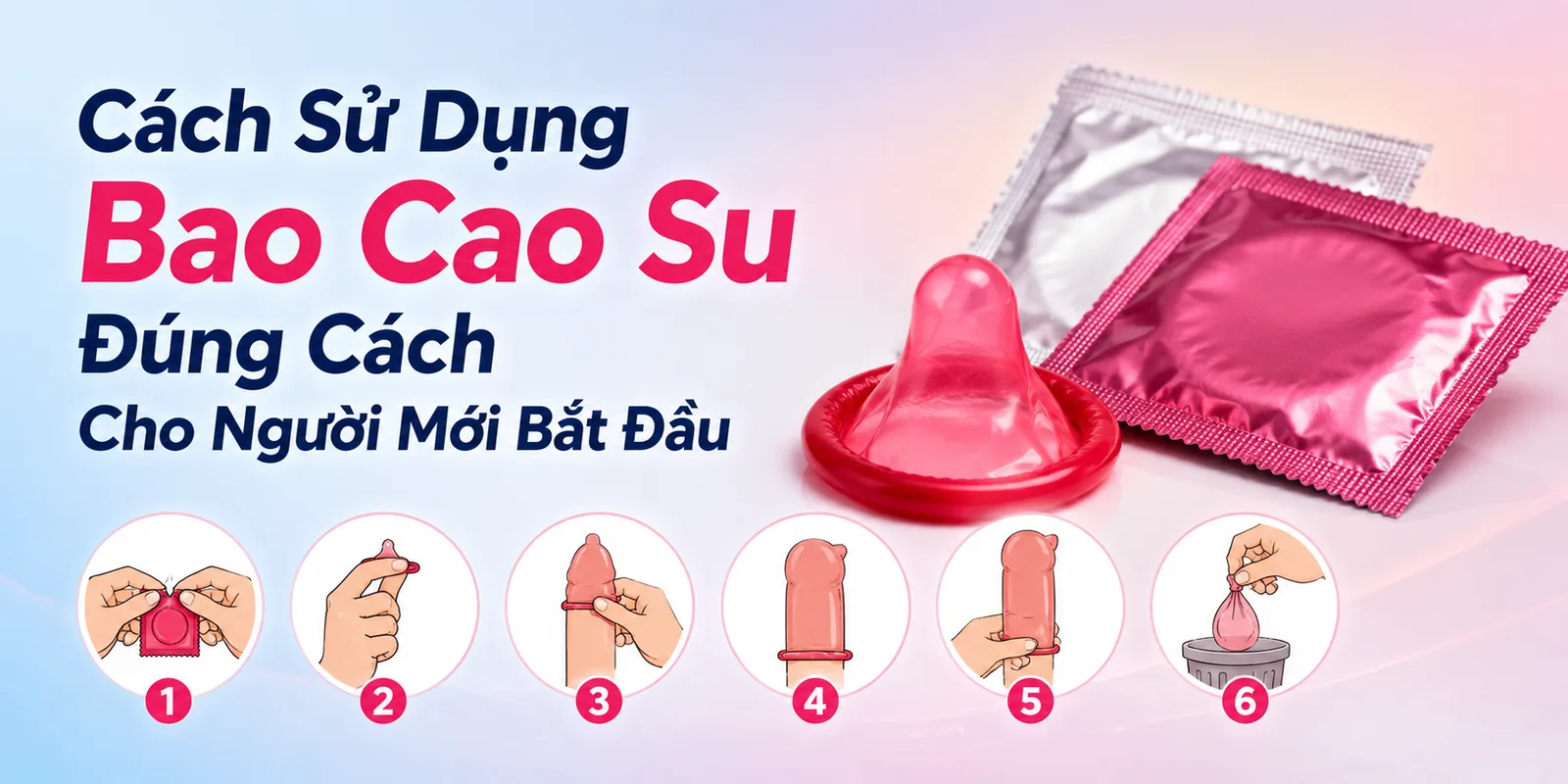
Check the packaging condition First, check the expiration date printed on the package. You should gently squeeze the package to check the air bubble inside. If the air bubble is still present, it indicates that the package is not torn or damaged. Absolutely do not use products that are expired or have wrinkled packaging.
Condom application technique Use your fingers to tear the package gently along the serrated edge on the package's edge. Avoid using teeth or sharp fingernails as they may tear the inner condom. Determine the correct rolling direction of the condom before putting it on. Squeeze the tip of the condom gently to remove excess air. Then, place the condom over the genital area and gently roll it down to the base.
Remove the condom after sexual activity You should remove it immediately while the genital area is still erect. Hold the rim of the condom at the base to prevent leakage of secretions. Tie the open end of the condom and wrap it in toilet paper before disposing of it. Always dispose of the condom in a hygienic trash bin.
Common Mistakes to Avoid for Safety
Many incidents of tearing or slipping occur due to the following common mistakes:
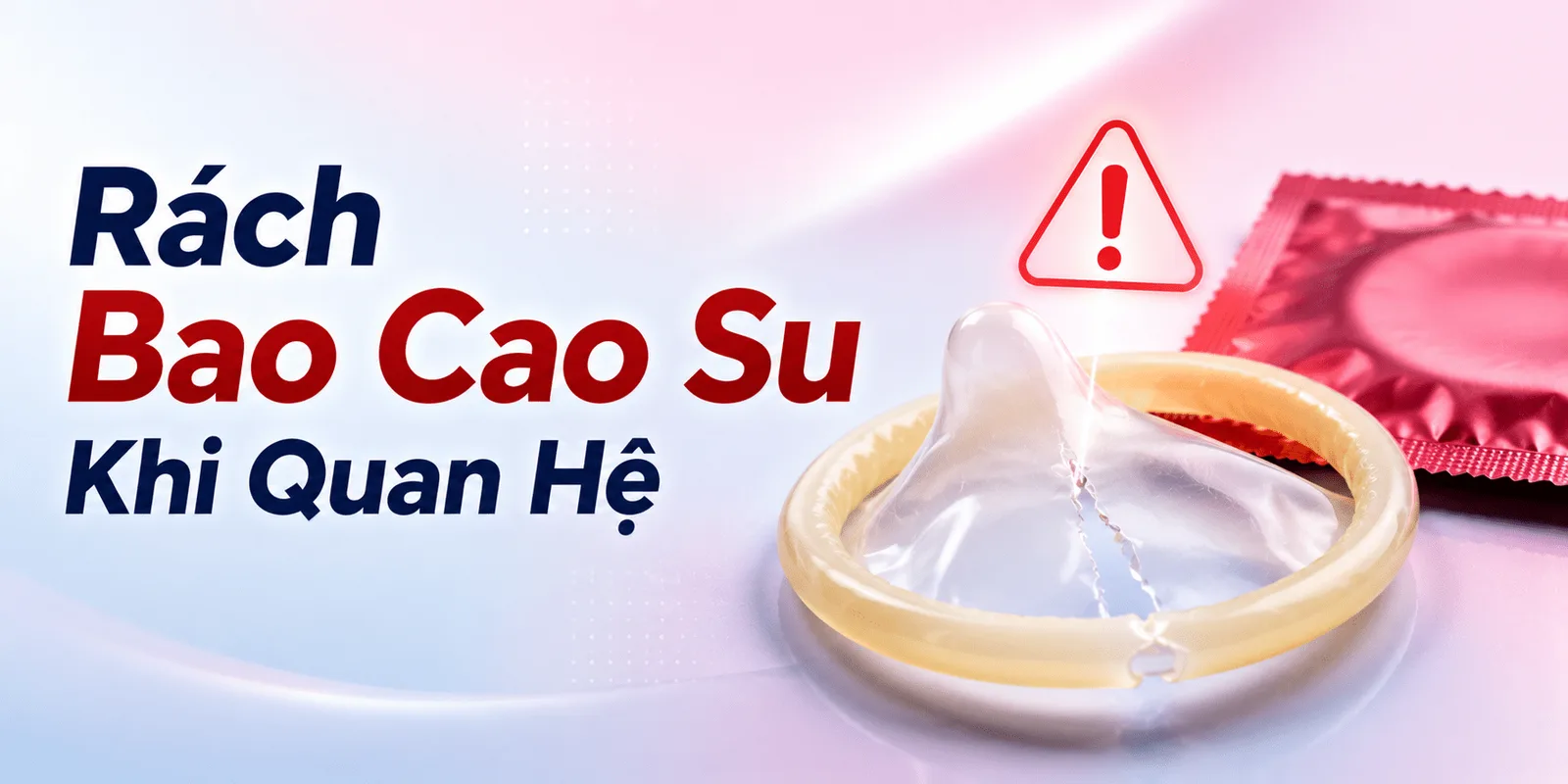
- Choosing the wrong size: A condom that is too loose may slip off. A condom that is too tight may create pressure and tear easily during sexual activity.
- Using oil-based lubricants: Oils like Vaseline can damage the latex material. You should only use water-based or silicone-based lubricants.
- Reusing condoms: Each condom is only suitable for one-time use. Reusing increases the risk of infection and tearing significantly.
- Wearing two condoms at once: Many people mistakenly believe this is safer. In reality, friction between two layers of plastic can cause the condom to tear quickly.
How to Store to Maintain the Best Quality
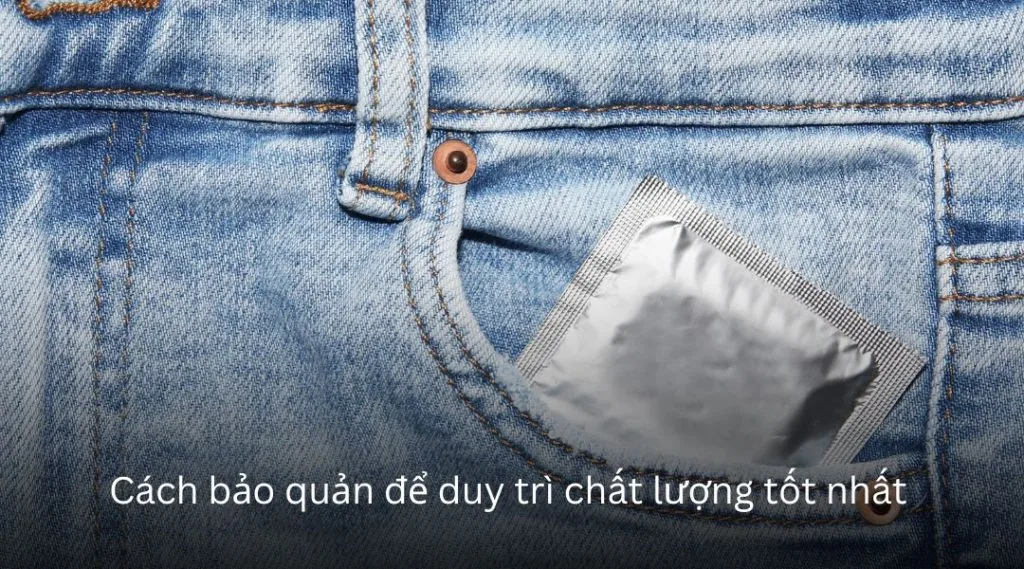
The durability of condoms depends heavily on storage conditions. A condom damaged by heat will no longer be able to protect.
- Avoid high temperatures: Do not store condoms in the car's glove compartment or near heat-emitting devices.
- Avoid direct sunlight: UV rays can make the latex brittle and prone to tearing.
- Do not store in a wallet for too long: Pressure and friction from sitting on the wallet can reduce the lifespan of the condom.
- Ideal storage location: Store the product in a dry, cool, and discreet place.
Conclusion: Condom Knowledge
Condoms are an indispensable companion for a healthy sexual life. Following the rules in The Comprehensive Health Care Guide for people living with HIV is extremely important. Always keep condoms ready and use them correctly to protect your future.
This article provides general information. For decisions about diagnosis, medicines or treatment, consult a qualified healthcare professional. Service availability and costs can change; confirm with the provider before booking. Our editorial approach
Published by Love2Test — Accessible sexual health information