Health
Condom Breakage During Sex
Does condom rupture during sex lead to HIV transmission? Understand the actual risk, signs to monitor, and the timing for HIV testing.
Updated

On this page
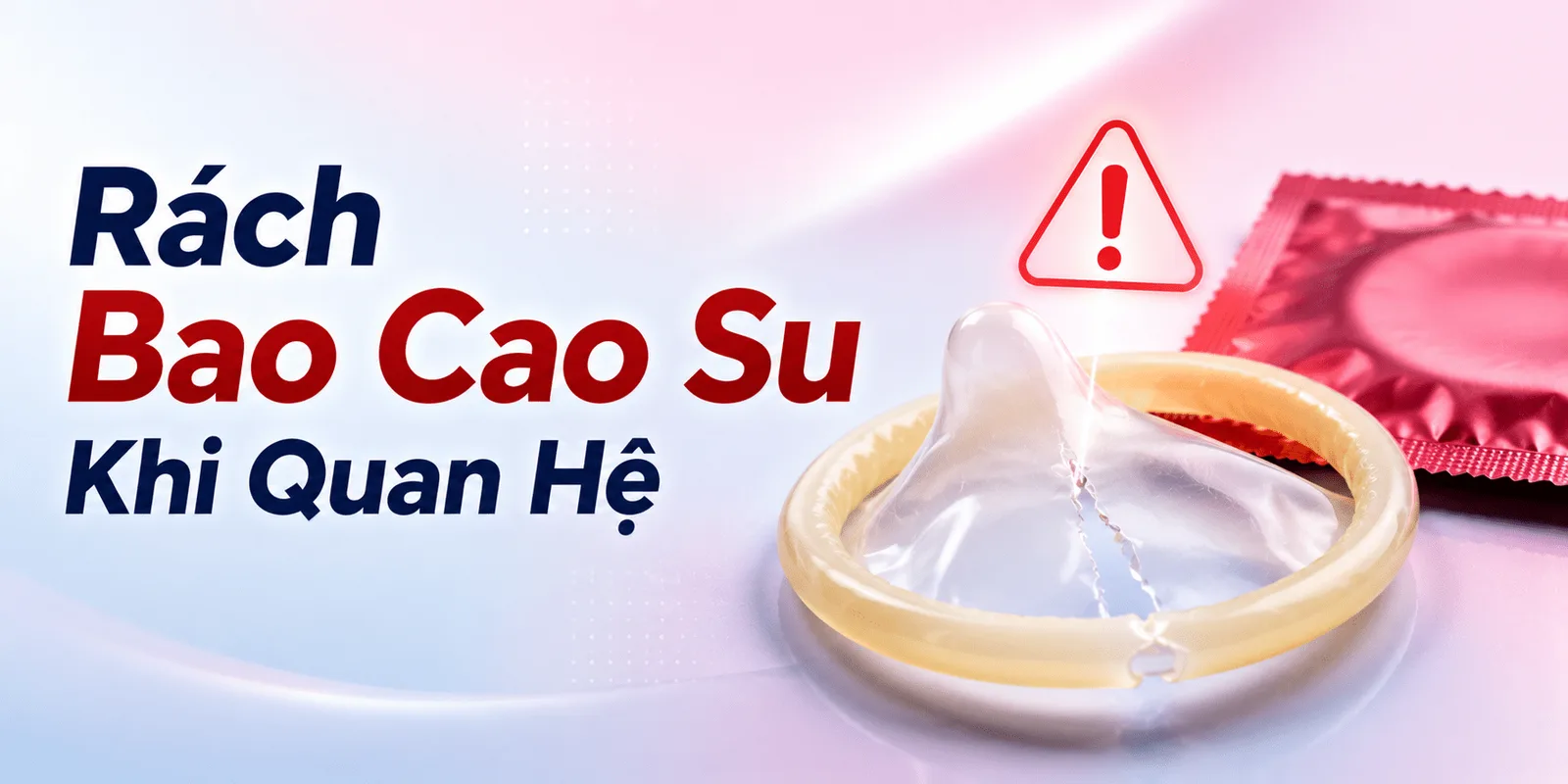
Condom rupture during sex is one of the situations that cause concern for many people, especially when they are not clear about the HIV status or sexually transmitted infections (STIs) of their partner. Many people become anxious after discovering that the condom has torn during sex and wonder whether they are at risk of HIV infection. In reality, condom rupture during sex can increase the risk of HIV exposure and other STIs, but the level of risk depends on various factors. In this article, Love2Test.vn will help you understand the risk, recognize what to monitor, and the appropriate steps to take after encountering this situation.
Is There a Risk of HIV Infection After Condom Rupture During Sex?
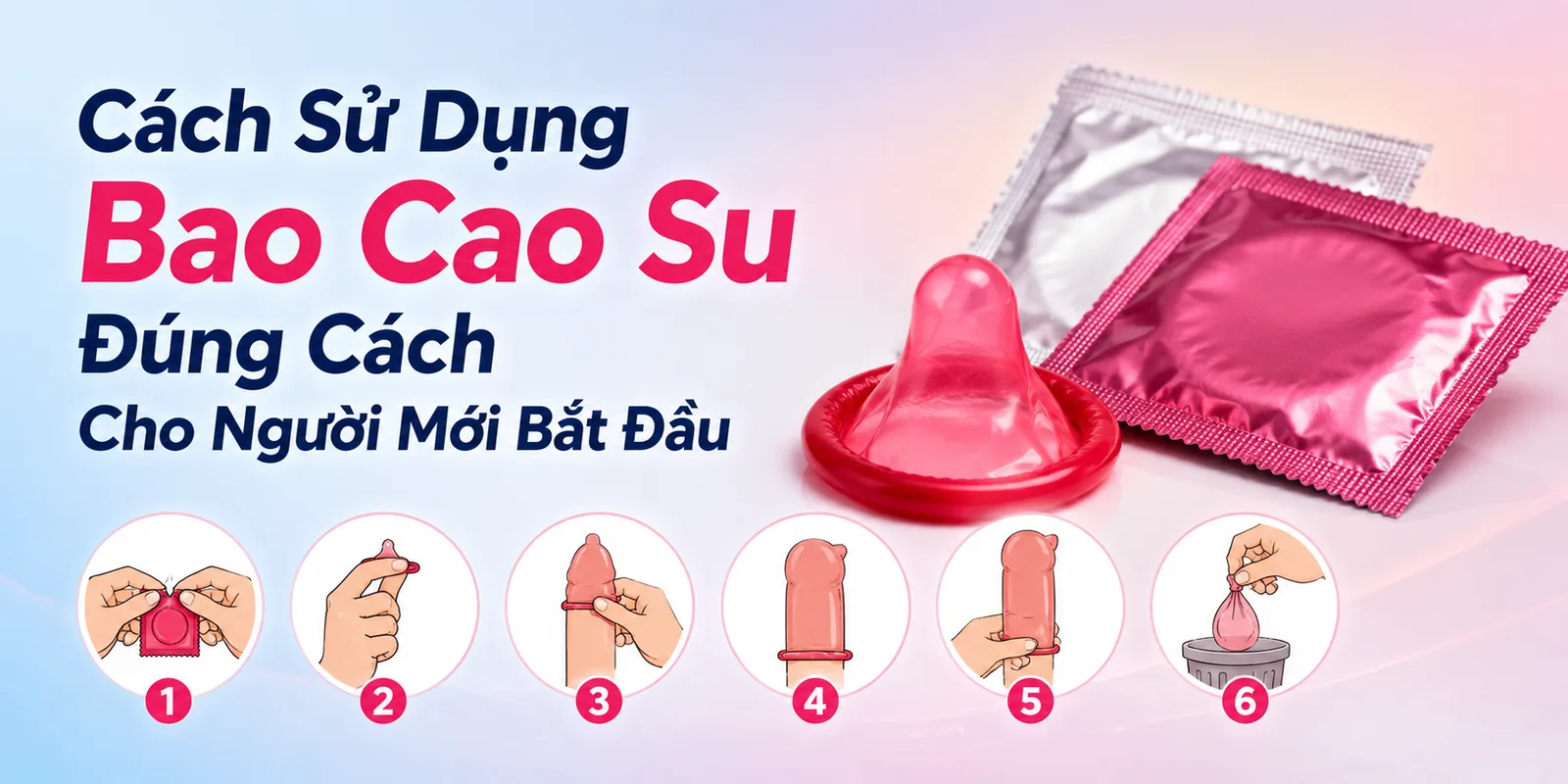
Condoms are one of the most effective methods for preventing HIV and other STIs. However, when a condom tears or slips during sex, this protective layer no longer functions as intended.
The risk of HIV transmission depends on:
- The HIV status of the partner.
- The type of sexual activity.
- Whether there was contact with semen, vaginal fluids, or blood.
- Whether there were mucosal injuries or open wounds during the sexual activity.
Especially, anal sex is considered one of the sexual activities with a higher risk of HIV transmission because the rectal mucosa is easily damaged.
However, if the partner is not infected with HIV, there is no risk of HIV transmission from this situation.
What Should You Do Immediately After Discovering the Condom is Ruptured?
1. Stay Calm and Assess the Situation
The first thing is not to panic. Determine:
- When did the condom tear?
- Was there ejaculation?
- Do you know the HIV status of your partner?
- Are you using PrEP?
This information will help healthcare professionals assess the risk more accurately.
2. Learn About PEP as Soon as Possible
If there is a risk of HIV exposure, you should seek medical advice as soon as possible to be advised about PEP (post-exposure prophylaxis for HIV).
PEP should be used:
- As soon as possible after exposure.
- Most effective in the first few hours.
- Should not be started later than 72 hours after exposure.
PEP can significantly reduce the risk of HIV infection if used correctly according to guidelines.
Symptoms That May Appear After HIV Infection
Many people are worried and try to look for HIV symptoms immediately after the incident. However, HIV cannot be diagnosed based on symptoms alone.
During the acute HIV infection stage, some people may experience symptoms similar to the flu after about 2–6 weeks:
Mild Fever and Chills
The body reacts to the presence of the virus by activating the immune system, causing mild fever or chills.
Prolonged Fatigue
People in the early stages of HIV infection may feel a lack of energy, unusual fatigue even with adequate rest.
Sore Throat and Body Aches
Some cases may present with:
- Sore throat.
- Muscle pain.
- Joint pain.
- Headache.
These symptoms are very easy to confuse with common cold symptoms.
Swollen Lymph Nodes
Lymph nodes in the neck, armpits, or groin may swell due to the body's immune response.
Skin Rashes
Some people may develop red spots or mild rashes on the skin during the early stages of HIV infection.
Gastrointestinal Disturbances
Symptoms such as:
- Nausea.
- Diarrhea.
- Lack of appetite.
may also appear in some cases.
Note that many people infected with HIV have no symptoms in the early stages.
Do Not Wait for Symptoms to Get Tested for HIV
A common mistake is to only get tested when symptoms appear.
In reality:
- Many people infected with HIV do not have clear symptoms.
- HIV symptoms are easily confused with many other conditions.
- HIV testing is the only way to accurately determine the HIV status.
If you encounter a situation of condom rupture during sex, it is very important to get tested for HIV at the recommended time.
When Should You Get Tested for HIV After a Condom Rupture?
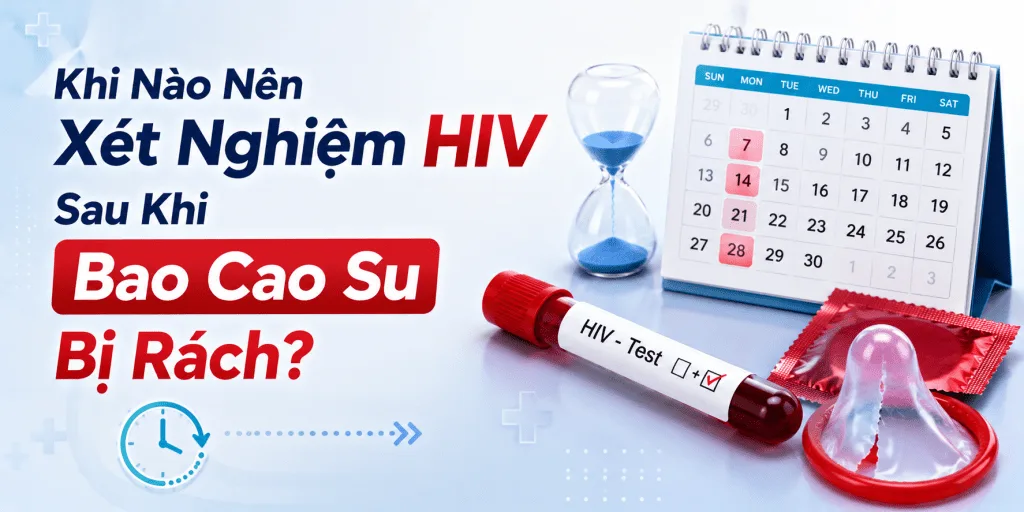
The commonly recommended time points include:
| Time | Purpose |
|---|---|
| 2–4 weeks | Early assessment with appropriate tests |
| 4–6 weeks | Highly accurate HIV generation 4 test |
| 3 months | Confirm results with very high reliability |
Healthcare professionals will advise on the appropriate test type based on the time of exposure.
How to Reduce the Risk of HIV in the Future?
To reduce the risk of HIV and STIs, you should:
- Use condoms correctly during every sexual activity.
- Check the expiration date and quality of the condom before use.
- Use appropriate lubricants to reduce the risk of tearing.
- Get tested for HIV regularly.
- Learn about and use PrEP if you are in a high-risk group.
- Proactively discuss sexual health with your partner.
Love2Test.vn is Committed to HIV Prevention
Love2Test.vn provides useful information about:
- HIV/AIDS.
- PrEP.
- PEP.
- Sexually transmitted infections.
- Self-testing for HIV.
- Safer sexual health care.
Actively acquiring knowledge will help you make the right decisions and effectively protect yourself.
Conclusion
Condom rupture during sex can increase the risk of HIV exposure if the partner is infected with HIV or belongs to a high-risk group. However, the most important thing is not to panic, assess the actual risk, and seek medical advice as soon as possible. Do not wait for symptoms to appear before getting tested. Actively learning about PEP, getting tested for HIV at the right time, and applying appropriate prevention measures will help you effectively protect your health.
This article provides general information. For decisions about diagnosis, medicines or treatment, consult a qualified healthcare professional. Service availability and costs can change; confirm with the provider before booking. Our editorial approach
Published by Love2Test — Accessible sexual health information