Health
PEP After Possible HIV Exposure: Why the First 72 Hours Matter
Learn about PEP after possible HIV exposure, why starting within 72 hours matters, the 28-day course and medical follow-up.
Updated

On this page
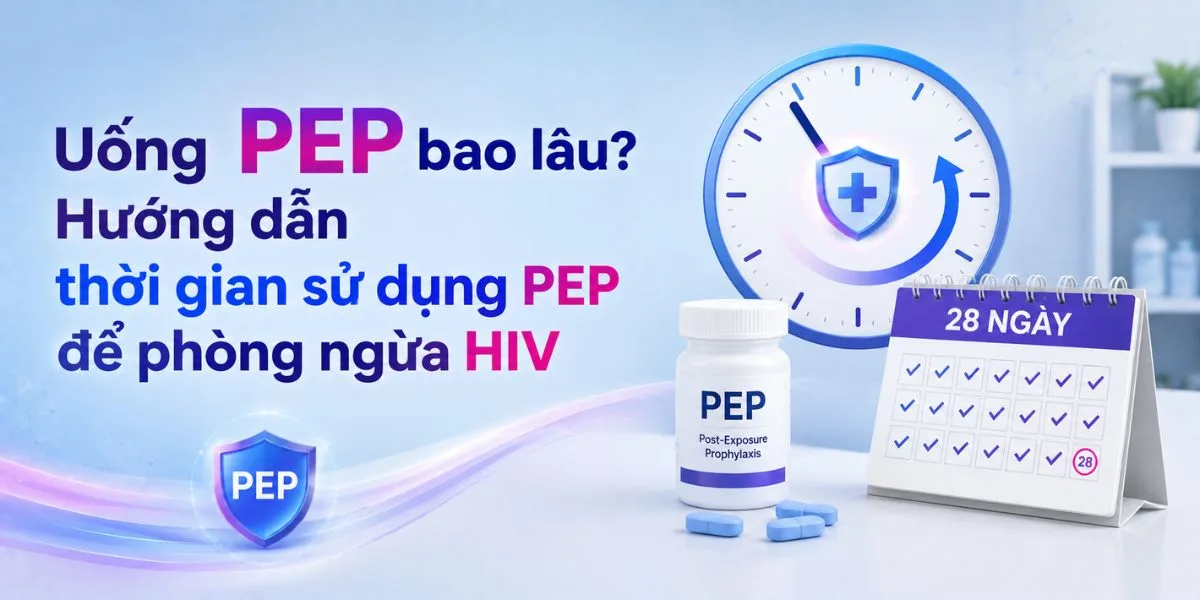
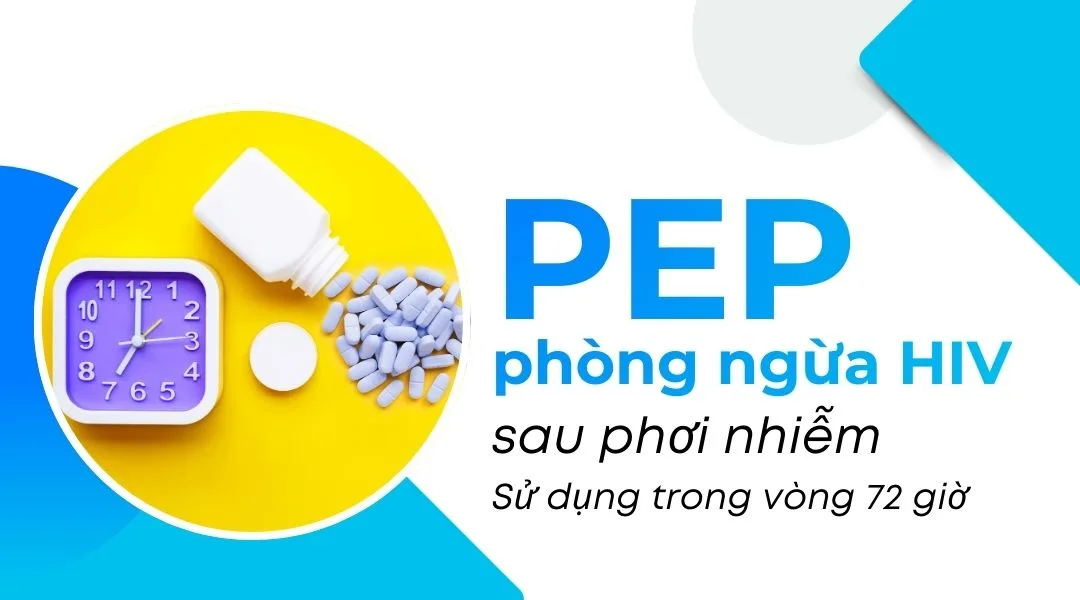
Addressing HIV infection remains an important public health issue globally. Although HIV continues to circulate in many regions, advances in science and medicine have provided more effective prevention methods. One of the important measures after potential exposure is the use of PEP (Post-Exposure Prophylaxis) – which needs to be started within 72 hours from the time of the risky behavior. This article provides comprehensive information about PEP, including its definition, mechanism of action, correct usage, and important notes for HIV prevention after exposure.
What is PEP?
PEP (Post-Exposure Prophylaxis) is a method that uses antiviral drugs (ARV) to prevent HIV infection after potential exposure. The goal of PEP is to prevent the virus from replicating before HIV enters and establishes an infection in the body. If used correctly and in a timely manner, PEP can significantly reduce the risk of HIV infection. However, PEP is not a treatment for HIV and is not a long-term prevention method like condoms or PrEP (pre-exposure prophylaxis). It is an emergency measure, applicable in situations such as:
- Unprotected sexual activity
- Sexual assault
- Accidental exposure to used needles
- Exposure to blood or bodily fluids suspected of being HIV-positive
Mechanism of Action of PEP
PEP uses antiviral drugs (Antiretroviral Drugs – ARV) to inhibit the replication of HIV in the body.

1. Inhibition of HIV replication
ARV drugs inhibit essential enzymes that HIV uses to replicate and spread, thereby preventing the virus from spreading and entering cells.
2. Prevention of infection establishment
Continuous use of the drug for 28 days helps prevent HIV from developing and establishing a permanent infection in the body.
3. Significantly reduces the risk of infection
Although PEP does not guarantee 100% effectiveness, if started within 72 hours and the full 28-day regimen is followed, the risk of HIV infection can be significantly reduced.
When should PEP be used?
PEP is indicated in high-risk situations, including:
- Unprotected sexual activity with someone at risk of HIV infection or with unknown HIV status
- Sexual assault without knowing the HIV status of the involved person
- Healthcare workers experiencing occupational accidents (used needles, exposure to HIV-positive blood)
- Sharing needles, especially in intravenous drug use
Efficacy of PEP
The efficacy of PEP mainly depends on the time of initiation and the level of treatment adherence.
- The earlier it starts (ideally within a few hours) → the higher the efficacy
- Must complete the full 28-day treatment
- No efficacy if started after 72 hours
Studies show that PEP can reduce the risk of HIV infection by approximately 80% if used correctly. However, PEP does not replace other prevention methods such as condom use.
Correct Use of PEP
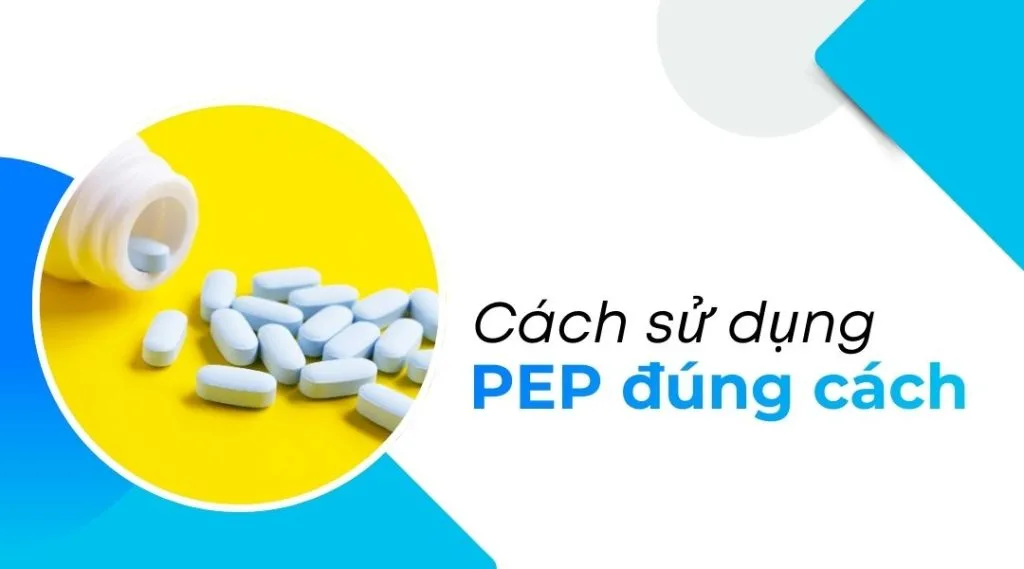
To achieve maximum effectiveness, PEP must be started as soon as possible and not later than 72 hours after exposure.
1. Emergency medical consultation
Individuals at risk should immediately go to a medical facility for evaluation and professional consultation.
2. Initial HIV testing
Before starting PEP, a doctor will perform an HIV test to determine the infection status. If HIV infection is already present, PEP will not be effective and appropriate ARV treatment should be followed.
3. Take the medication for 28 days
If eligible, the patient will be prescribed ARV medication to be taken continuously for 28 days and must strictly follow the treatment guidelines.
4. Monitoring and retesting
After completing the course, it is necessary to have an HIV test at the scheduled time to confirm the results and evaluate the effectiveness of the prevention.
Side Effects of PEP
Some side effects may occur when using ARV drugs, usually mild and temporary:
- Nausea
- Fatigue
- Headache
- Abdominal pain
- Diarrhea
If severe side effects occur, it is necessary to inform the doctor immediately for appropriate handling.
Limits and Important Notes

- Not a long-term prevention method
- Does not guarantee absolute effectiveness
- No effect if used after 72 hours
- Individuals at ongoing risk should consider PrEP instead of repeatedly using PEP
PEP for HIV prevention should only be used in emergency situations and is not a substitute for sustainable prevention strategies.
Read Interesting Articles
PEP is an effective emergency prevention method for HIV after exposure, provided it is started within 72 hours and the full 28-day treatment is followed. However, PEP is not an absolute protection method. Correct condom use, regular HIV testing, and consideration of PrEP for high-risk individuals remain the most optimal and sustainable HIV prevention strategies.
Further reading
This article provides general information. For decisions about diagnosis, medicines or treatment, consult a qualified healthcare professional. Service availability and costs can change; confirm with the provider before booking. Our editorial approach
Published by Love2Test — Accessible sexual health information