Health
PrEP and PEP: Differences and How They Are Used
Modern medicine has developed many methods to prevent HIV. Among them, PrEP and PEP drugs are two extremely effective protective solutions.
Updated

On this page
Modern medicine has developed many methods to prevent HIV. Among them, the drugs PrEP and PEP are two extremely effective protective solutions. Both of these drugs are intended for people who are not infected. The main purpose is to prevent the virus HIV from entering the body. Understanding the differences between these two drugs is very important. It helps you choose the right protective method in each specific situation. The article below will provide detailed explanations about these two methods.
What are PrEP and PEP drugs?
PrEP (Pre-Exposure Prophylaxis) is a pre-exposure prophylaxis drug. This drug is for people with a negative HIV test result. Users take this drug before being at risk of exposure to the virus. The drug helps create a strong protective barrier for the immune system.
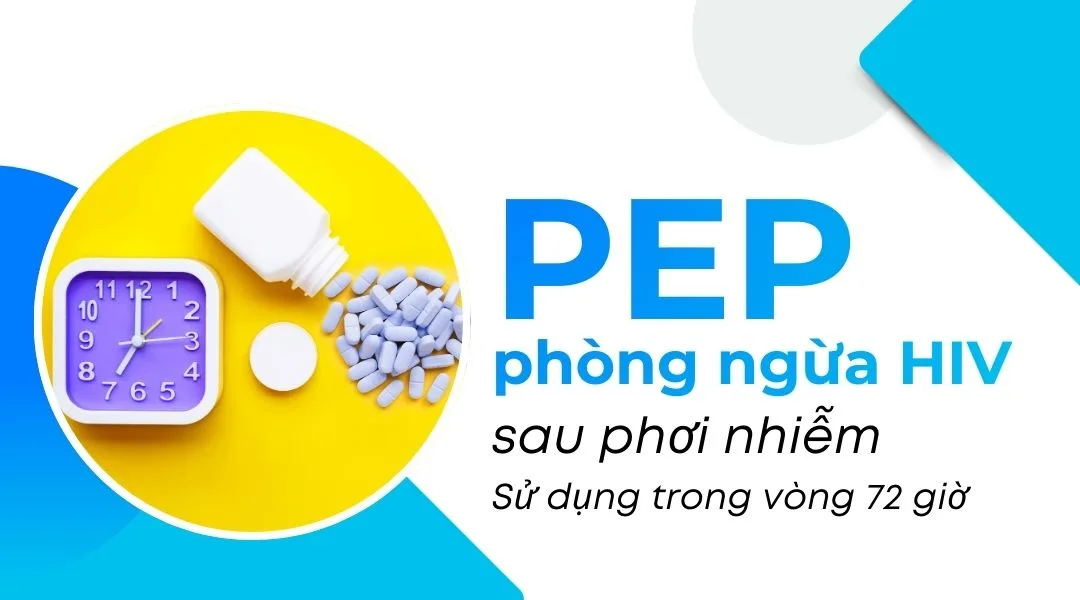
PEP (Post-Exposure Prophylaxis) is a post-exposure prophylaxis drug. This is a type of drug used in emergency situations. Users take this drug after having a risky behavior. The drug must be taken within 72 hours after exposure to the pathogen.

Who should use PrEP and PEP?
PrEP
- Men who have sex with men (MSM).
- People whose partners are infected with HIV (but not yet on stable treatment).
- People with multiple partners and who do not regularly use condoms.
- People who work in the sex industry.
- People who have had sexually transmitted infections (STIs) in the past 6 months.
- People who share needles with others.
PEP
- People who had unprotected sex with a stranger.
- People who had a condom break or slip during sex.
- Victims of sexual assault or abuse.
- People who accidentally shared needles with others.
- Healthcare workers who were accidentally pricked by a contaminated needle.
How to use the drugs safely and effectively
How to use PrEP
You need to take 1 PrEP tablet daily. Your doctor will schedule regular check-ups every 3 months. The purpose is to retest for HIV and monitor side effects. If you no longer have a risk of infection, you can stop the medication. You should consult your doctor before deciding to stop taking the drug.
How to use PEP
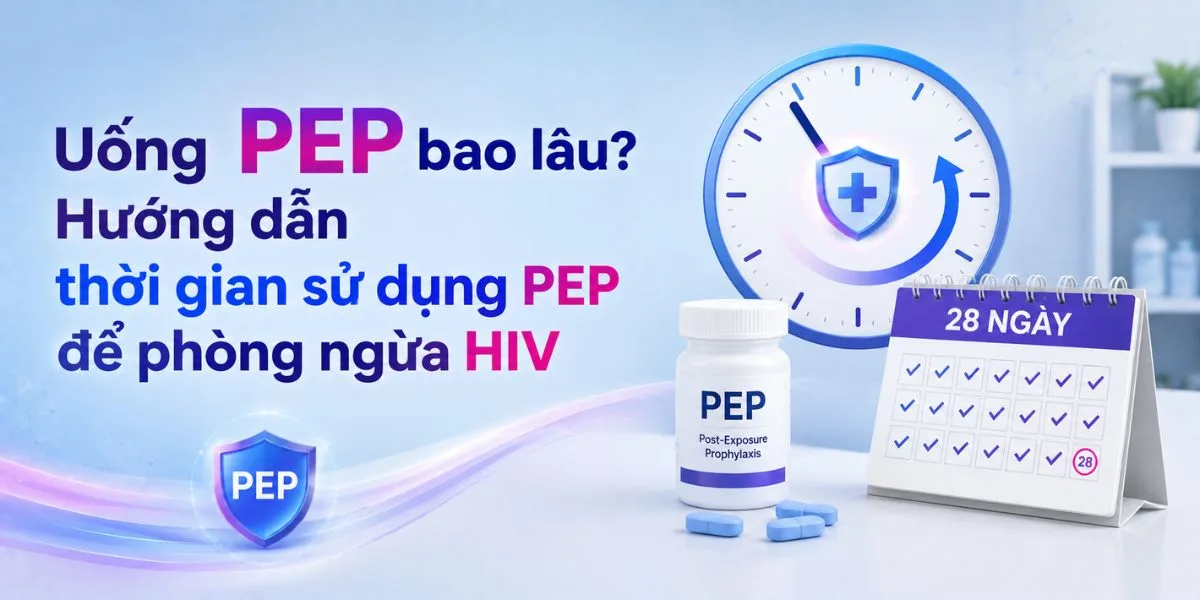
PEP is an emergency drug. You must take the drug immediately after being at risk. The golden time should not exceed 72 hours. You must take 1 pill daily for exactly 28 days. The specific drug regimen will be prescribed by your doctor.
The process of receiving medication at a medical facility

The process of receiving PrEP
You will be required to have an HIV test before receiving the medication. Your doctor will also check your liver and kidney function. After the first month of taking the drug, you must return for a blood test. After that, you will have check-ups every 3 months.
The process of receiving PEP
Your doctor will ask in detail about the situation that caused your exposure. This helps assess your risk level. You will have to take an HIV test, hepatitis B test, and have your liver and kidneys checked. If you were already infected with HIV before, you cannot use PEP. After finishing the 28-day course, you must have an HIV test again. The follow-up test will be conducted at months 1 and 3. You must absolutely use condoms throughout this period.
Common side effects of the drugs
Both types of drugs can cause some mild side effects.
- PrEP drug: In the initial period, you may experience nausea or slight weight loss. Long-term side effects (such as kidney effects) are very rare.
- PEP drug: The drug may cause diarrhea, headache, fatigue, or nausea. These symptoms usually subside after a few days.
Summary of the differences between PrEP and PEP
The biggest difference lies in the timing of drug use. PrEP is used before a risk occurs to actively prevent infection. In contrast, PEP is used after an event has occurred to address the emergency. To best protect yourself, you should consult a specialist. The doctor will advise, test, and prescribe the most suitable drug. You must always follow the guidance of medical professionals.
Note: This article provides medical information for reference only. Please consult a medical professional for accurate advice.
Further reading
This article provides general information. For decisions about diagnosis, medicines or treatment, consult a qualified healthcare professional. Service availability and costs can change; confirm with the provider before booking. Our editorial approach
Published by Love2Test — Accessible sexual health information