Health
Who Should Get Tested for HIV? Understanding Risk Factors
Learn who may benefit from HIV testing, common risk factors, the window period and the importance of appropriate follow-up testing.
Updated

On this page
To actively protect your health, understanding who should get tested for HIV is extremely important. HIV is a virus that weakens the immune system. Currently, medicine has not found a complete cure for this disease. However, early testing and timely treatment help infected individuals maintain a healthy life. Medical experts continuously strive to raise public awareness. The goal is to reduce the number of infections and eliminate misconceptions about the disease.
Main Causes of HIV Transmission
The HIV virus attacks and destroys white blood cells. This weakens the immune system gradually. The body will lose the ability to fight off common infections. The main cause of transmission is contact with bodily fluids containing the virus. These fluids include blood, semen, vaginal fluids, and breast milk. Below are the most common causes of transmission:
Unprotected Sexual Contact
Unprotected vaginal or anal sex without using a condom is the leading cause of transmission. The risk of infection occurs when you are not sure about your partner's health status. Additionally, oral sex (mouth-to-genital contact) also carries a risk. This risk increases if there are open wounds or sores in the mouth.
Sharing Needles
Sharing needles carries a very high risk of HIV transmission. The virus from an infected person's blood enters the body of a healthy person directly. This situation is common among people who inject drugs.
Mother-to-Child Transmission
Pregnant women infected with HIV can transmit the virus to their child. Transmission can occur during pregnancy, childbirth, or breastfeeding. However, this risk can be reduced to the lowest level if the mother is monitored and treated with antiretroviral (ARV) drugs in a timely manner.
Unsafe Blood Transfusion
In the past, when blood screening procedures were not strict, HIV transmission through blood transfusion did occur. Today, all blood sources at certified medical facilities are strictly tested for HIV. Therefore, the risk of transmission through this route is now extremely rare.
Who Should Get Tested for HIV High-Risk Groups Need Testing
Based on medical research, the following groups are considered high-risk. These individuals should proactively undergo regular health check-ups:
- People who have sexual relations with multiple partners without using condoms.
- Men who have sex with men (MSM).
- People involved in prostitution or frequently engage in commercial sex.
- People who use drugs intravenously and share needles.
- People with other sexually transmitted infections (STIs) such as gonorrhea or syphilis.
- Pregnant women or those planning to become pregnant.
- People who have experienced sexual abuse.
When Is the Ideal Time to Get Tested?
If you suspect you have engaged in risky behavior, get tested immediately. Doctors will assess your condition and may prescribe post-exposure prophylaxis (PEP) within the first 72 hours.
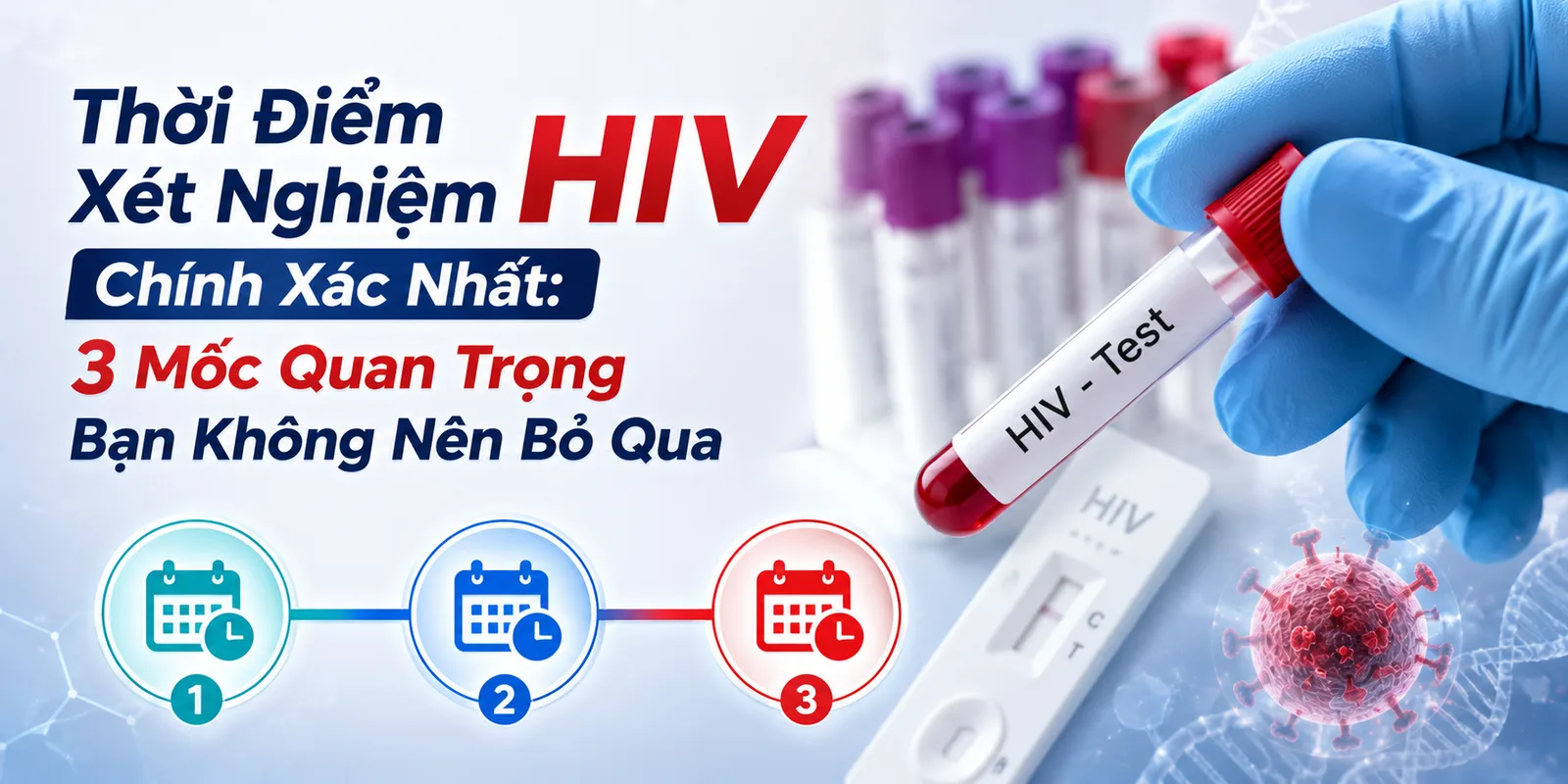
Additionally, the body needs time to produce antibodies or for the virus to replicate enough to be detected. This period is called the "window period." Depending on the testing method, you may need to get retested after 1 to 3 months to confirm the most accurate results.
Important Advice About HIV Testing
Many people still have a fear of HIV testing. Here is some information to help you feel more at ease:
Higher Risk Means More Frequent Testing
If you are not in a high-risk group, you should still get a general health checkup once a year. If you are in a high-risk group, you should get tested every 3 to 6 months. This helps you best understand your health status.
Absolute Confidentiality of Information
Who should get tested for HIV? The medical testing process always strictly follows the principle of customer information confidentiality. Your medical records will be kept completely private. No one has the right to disclose your results without your direct consent.
Understanding Your Test Results
After testing, you will receive one of two results:
- Negative: No signs of the virus were found in the body. However, you should still be mindful of the "window period" and get retested according to your doctor's schedule.
- Positive: Your body is infected with the HIV virus. The doctor will immediately provide psychological counseling and develop an antiretroviral (ARV) treatment plan. If you follow your medication regimen well, the viral load will be suppressed. You can fully maintain a healthy life like everyone else.
Note: This article provides basic medical information. Please visit a reputable medical facility for professional consultation and safe testing.
Further reading
This article provides general information. For decisions about diagnosis, medicines or treatment, consult a qualified healthcare professional. Service availability and costs can change; confirm with the provider before booking. Our editorial approach
Published by Love2Test — Accessible sexual health information