Health
Frequently Asked Questions About HIV Testing
To comprehensively protect your health, understanding and addressing questions about HIV testing is an essential step for every individual.
Updated

On this page
To comprehensively protect your health, understanding and addressing questions about HIV testing is an essential step for every individual. HIV is a sexually transmitted disease that weakens the immune system. Currently, science has not yet developed a 100% cure. However, this disease is no longer as feared as before. People infected with the virus can still live a healthy and normal life if they follow treatment. This article will summarize the most common questions to help you better understand how to prevent and care for your health.
Is testing necessary if you have no risky behavior?
Many people believe only those with a promiscuous lifestyle need testing. This is a completely mistaken belief. Medical experts recommend that everyone should have regular health check-ups. Many people carry the virus without knowing. Not knowing your health status can lead to unintentionally infecting loved ones.
Ordinary people should proactively check their health at least once a year. For those frequently engaging in high-risk behaviors, the testing interval should be every 3 to 6 months.
What is the difference between HIV and AIDS?
Many people often confuse these two concepts. HIV is the name of the virus that attacks and weakens the human immune system. In contrast, AIDS is the final stage of the HIV infection process.
Being infected with HIV does not necessarily mean you will progress to AIDS. Today, medicine has developed highly effective antiviral drugs (ARV). These drugs inhibit the virus's replication in the body. As a result, patients can maintain a healthy immune system and live normally.
When is the best time to get tested?
You should get tested as soon as possible after a risky behavior. Early detection allows you to access timely treatment. This helps prevent the virus from destroying the immune system. It also protects people around you from the risk of infection.
Some early symptoms often appear 2 to 3 weeks after exposure:
- Prolonged fever.
- Chronic diarrhea with no clear cause.
- Muscle pain.
- Unusual swelling of lymph nodes in the neck or groin.
- Constant fatigue and weakness.
- Symptoms similar to the common flu.
What should you do if your test result is positive?
If your test result is positive, the most important thing is to stay calm. Specialist doctors will guide you on the most suitable treatment plan. You need to strictly follow the instructions of your doctor regarding medication timing. Also, inform your partner so they can get checked as soon as possible.
How to care for people living with HIV
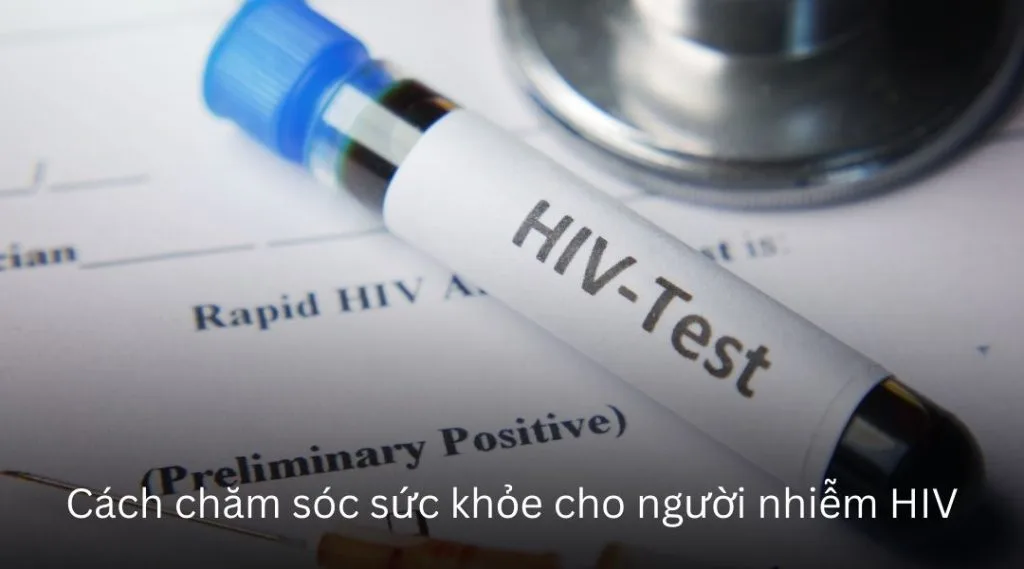
Addressing questions about HIV testing People infected with the virus can maintain good health if they know how to take care of themselves. Here are some useful recommendations from medical experts:
- Take medication on time and strictly follow your doctor's instructions.
- Eat a nutritious diet to boost your body's immunity.
- Avoid alcohol, tobacco, and absolutely do not use stimulants.
- Exercise regularly to improve overall health.
- Keep your mind relaxed and try to avoid stress and anxiety.
- Have regular health check-ups and immediately inform your doctor if you notice any unusual symptoms.
What do Negative and Positive test results mean?
Medical test results are typically divided into two main cases:
- Negative: This means the virus was not found in your body at the time of testing. However, if you recently had a risky behavior, your doctor will advise you to retest after a period to pass the 'window period'.
- Positive: This means your body has been infected with the HIV virus. At this point, you need to quickly start the medical treatment process as directed.
Note: This article provides basic medical information for reference. Please actively contact reputable medical centers for professional consultation and support.
Further reading
This article provides general information. For decisions about diagnosis, medicines or treatment, consult a qualified healthcare professional. Service availability and costs can change; confirm with the provider before booking. Our editorial approach
Published by Love2Test — Accessible sexual health information