Health
HPV and Sexually Transmitted Infections: What to Know
Learn about HPV, transmission routes, symptoms, testing, vaccines, and effective prevention methods to protect your reproductive health.
Updated


On this page
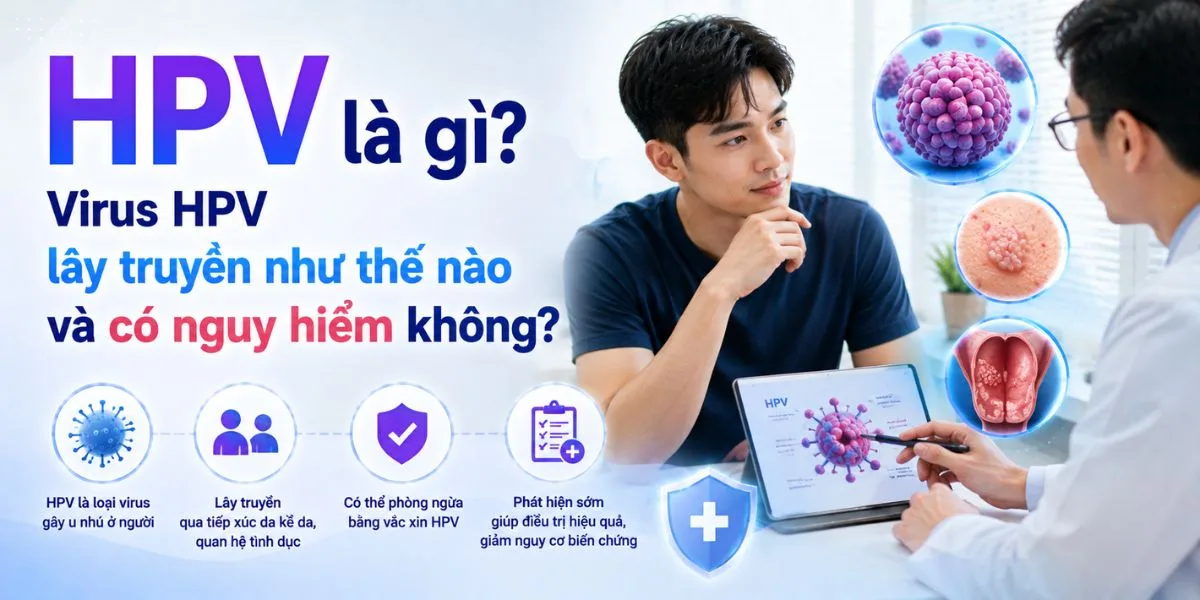
HPV (Human Papillomavirus) is one of the most common sexually transmitted viruses in the world. The virus can spread easily through direct skin-to-skin contact and sexual activity via the vaginal, oral, and anal routes. HPV infections often do not show clear symptoms, causing many people to be unaware they are infected and unintentionally spread the virus to others. Although in some cases the immune system can clear the virus, certain strains of HPV can cause serious health issues such as genital warts, cervical cancer, anal cancer, and genital organ cancers.
Being aware of the risk of HPV infection and preventive measures is very important, especially for those with multiple sexual partners or who frequently change partners. HPV vaccination, using condoms, and regular health check-ups are important measures to reduce the risk of infection. This article will provide detailed information about HPV, including the characteristics of the virus, transmission routes, symptoms, diagnostic methods, prevention, and treatment, to help you understand correctly and take appropriate care of your health.
What is HPV?
HPV is a group of viruses consisting of more than 200 different strains. This virus can infect both men and women. Some strains cause warts on the skin, while other strains increase the risk of cancer. HPV often does not show symptoms in the early stages, causing many infected individuals to be unaware they carry the virus and may unintentionally spread it to others.

HPV is divided into 2 main groups
1. Low-risk group
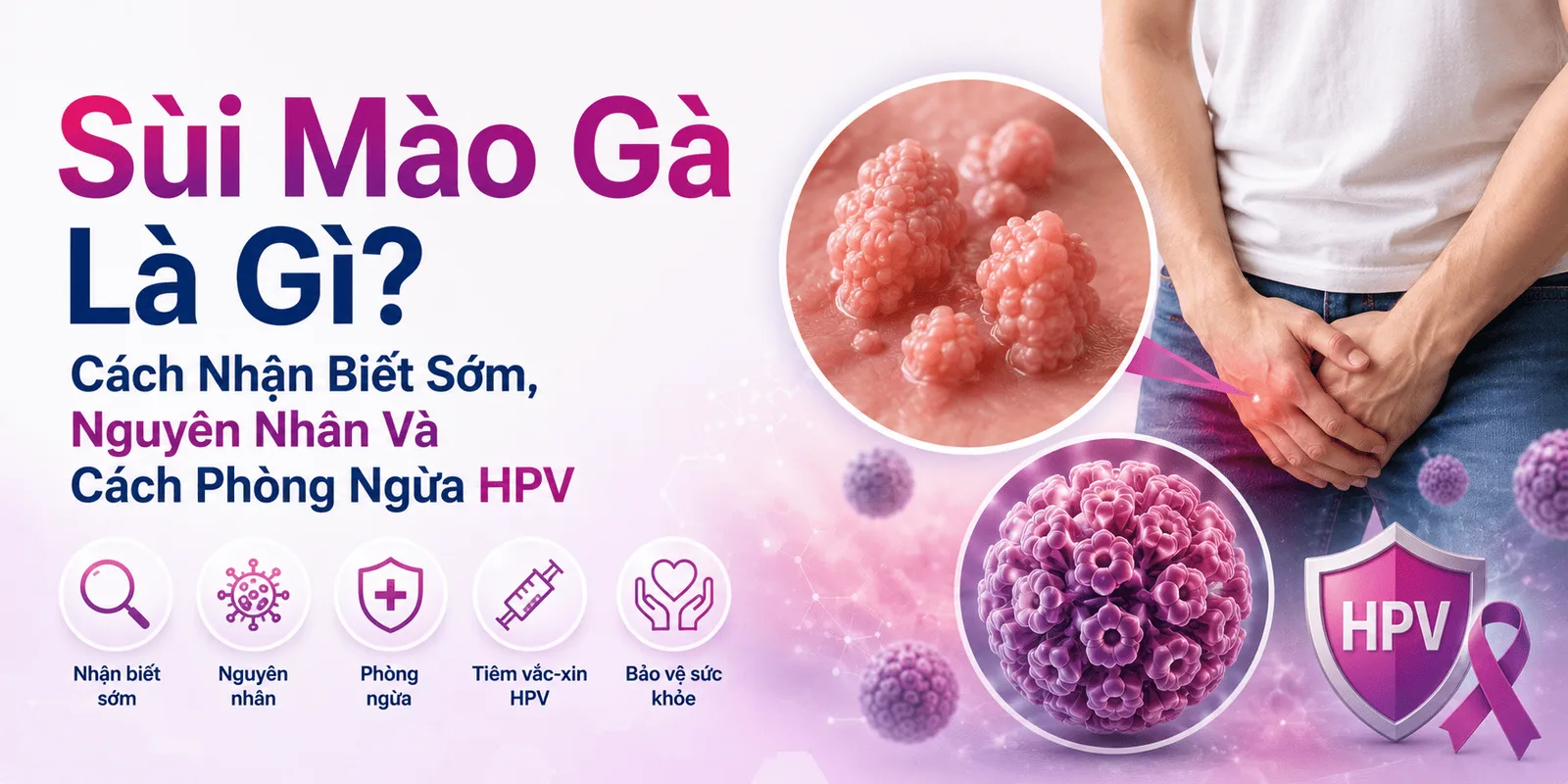
Usually causes genital warts (genital warts), which are small, cauliflower-like bumps that appear on the genital or anal area.
2. High-risk group
Can increase the risk of cancer such as cervical cancer, anal cancer, oral cavity cancer, and genital organ cancer, especially when the body cannot clear the virus on its own.
How does HPV spread?

HPV spreads easily through direct contact with the skin or mucous membranes of an infected person. The main transmission routes include:
- Sexual activity: HPV can spread through vaginal, oral, and anal sexual activity, even without full penetration.
- Direct contact with infected skin: For example, the genital or anal area of an infected person.
- Sharing personal items: Rare but possible through towels, razors, or genital hair removal tools.
- From mother to child: Pregnant women infected with HPV can transmit the virus to the child during childbirth, which may cause warts in the throat or respiratory tract of the child.
HPV can spread even without symptoms. Therefore, vaccination, using condoms, and regular health check-ups are the most effective measures to reduce the risk of infection.
Symptoms of HPV infection
Most people infected with HPV do not have clear symptoms. However, some cases may show symptoms depending on the virus strain:
Symptoms of low-risk strains
- Genital warts: Small bumps or clusters of bumps on the genital or anal area, resembling cauliflower.
- Warts in other locations: Hands, feet, or other skin areas (usually not related to cancer).
Symptoms of high-risk strains
- No clear symptoms in the early stages.
- Cell changes in the cervix, which can be detected through a Pap smear or HPV DNA test. If the infection persists, it may progress to cervical cancer.
Warning signs of cancer related to HPV
- Abnormal vaginal bleeding
- Pain during sexual activity or pelvic pain
- Prolonged sores or unusual lumps in the genital or anal area
- Difficulty swallowing, hoarseness, or prolonged throat pain (related to oral and throat cancers)
Because HPV infection may not show symptoms for a long time, regular check-ups and vaccination are very important to detect early and reduce the risk of serious complications.
HPV Diagnosis
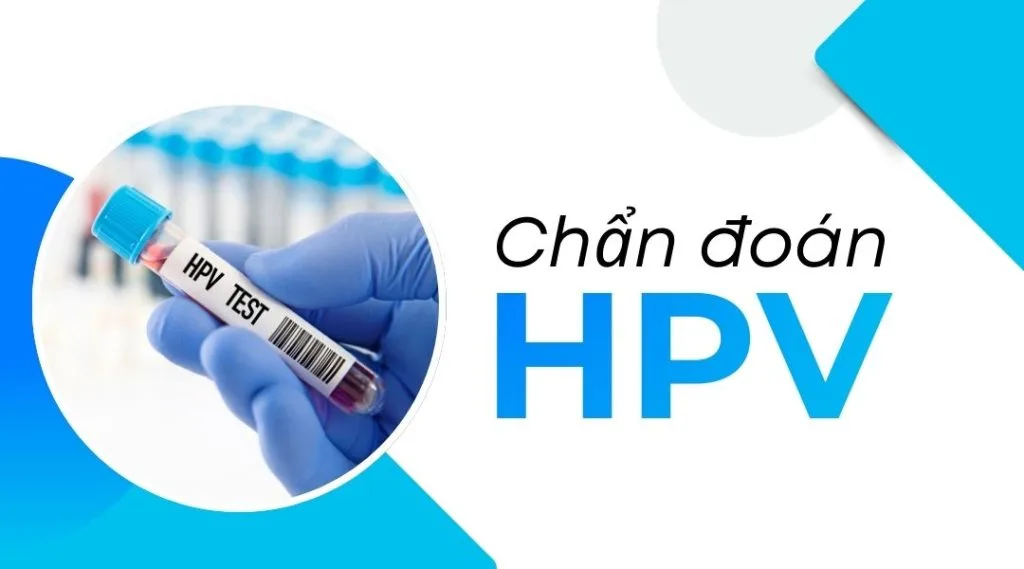
HPV testing plays an important role because the virus often does not show symptoms until the disease progresses further.
HPV Testing Methods
1. Pap smear
A cervical cell screening test to detect abnormalities caused by HPV.
- How it is performed: A cervical cell sample is taken for laboratory testing.
- Target group: Women aged 21 and older, performed every 3–5 years depending on results.
2. Colposcopy
Observing the cervix with a specialized magnifying instrument to detect cellular damage.
- Usually performed when Pap smear or HPV DNA results are abnormal.
3. HPV DNA Test
Directly detects HPV DNA to identify high-risk strains.
- Target group: Women aged 30 and older or with abnormal Pap smear results.
4. Biopsy
Tissue sampling for analysis when serious damage is suspected.
In addition, doctors can diagnose genital warts through a clinical examination, sometimes using acetic acid to highlight the damage.
Who should get HPV tested?
- Women aged 21 and older as recommended by doctors
- Women aged 30 and older should get HPV DNA testing along with Pap smear
- Those with abnormal Pap smear results or a history of HPV infection
- Those with suspected symptoms such as abnormal bleeding, pain during sex, or prolonged sores
- Those with genital warts
The Importance of HPV Testing
Regular testing helps reduce the risk of cervical cancer and other serious HPV-related diseases. Early detection allows for more effective treatment and prevents severe complications.
Preventing HPV Infection
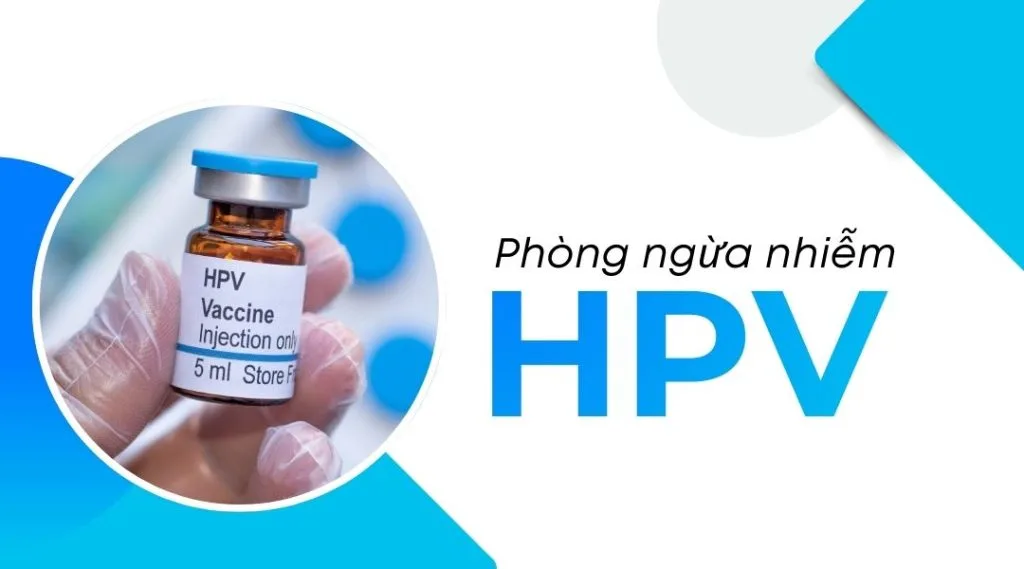
- HPV vaccination: The most effective method to prevent high-risk strains. Vaccines like Gardasil 9 help protect against cancer-causing strains and genital warts.
- Using condoms: Helps reduce the risk of infection (though not completely protective).
- Maintaining a stable partner: Reduces the risk of exposure to multiple sources of infection.
- Regular health check-ups: Screening for HPV and cervical cancer helps reduce the risk of serious complications.
Read Interesting Articles
- Sexually Transmitted Infections: Which Diseases Can Be Cured and Which Cannot?
- HIV Testing (HIV Test): Process, Benefits, and Things You Need to Know
HPV is a very common sexually transmitted virus. Although many cases can be cleared by the body, some strains can lead to serious diseases. Vaccination, regular check-ups, and using protection during sexual activity are important ways to reduce the risk of HPV infection.
Further reading
This article provides general information. For decisions about diagnosis, medicines or treatment, consult a qualified healthcare professional. Service availability and costs can change; confirm with the provider before booking. Our editorial approach
Published by Love2Test — Accessible sexual health information