Health
Genital Warts: Causes, Symptoms, and Treatment
Genital warts are caused by the HPV virus. Learn about the causes, symptoms, and the most effective treatments for genital warts.
Updated


On this page
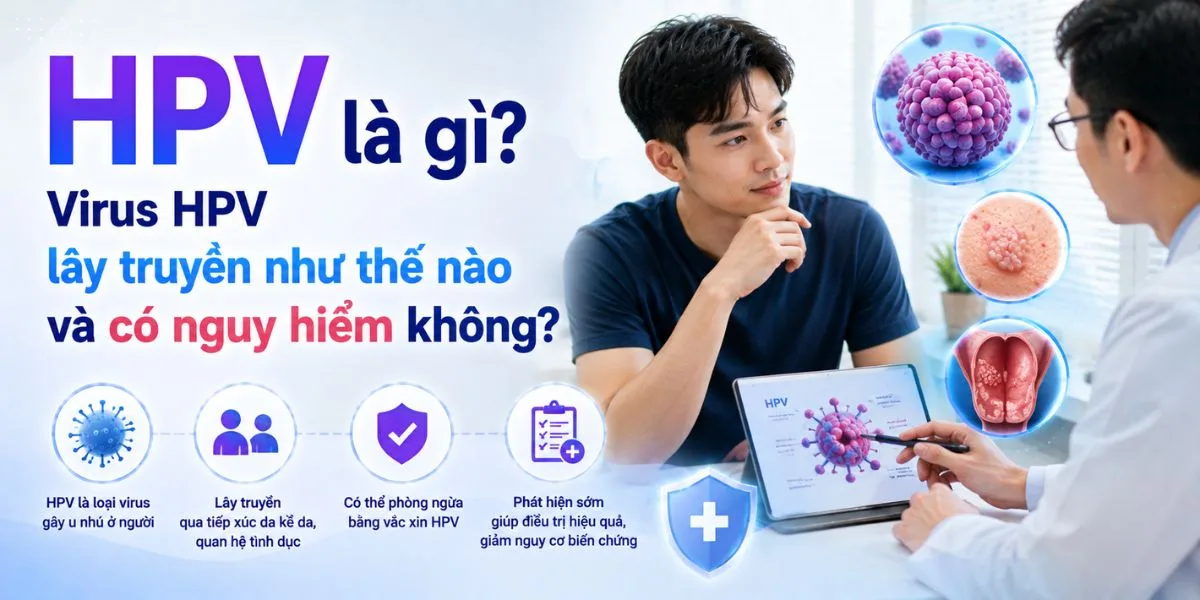
Genital warts are one of the most common sexually transmitted infections, caused by the HPV (Human Papillomavirus) virus. The disease can appear in both men and women, and can have a significant impact on mental health and quality of life if not detected and treated in time. In many cases, genital warts do not show clear symptoms in the early stages, leading patients to be careless and unintentionally spread the infection to their partners.
The article below will help you understand the causes, signs, and symptoms, as well as the current treatment methods for genital warts, so that you can handle the situation appropriately and in a timely manner.
What are Genital Warts
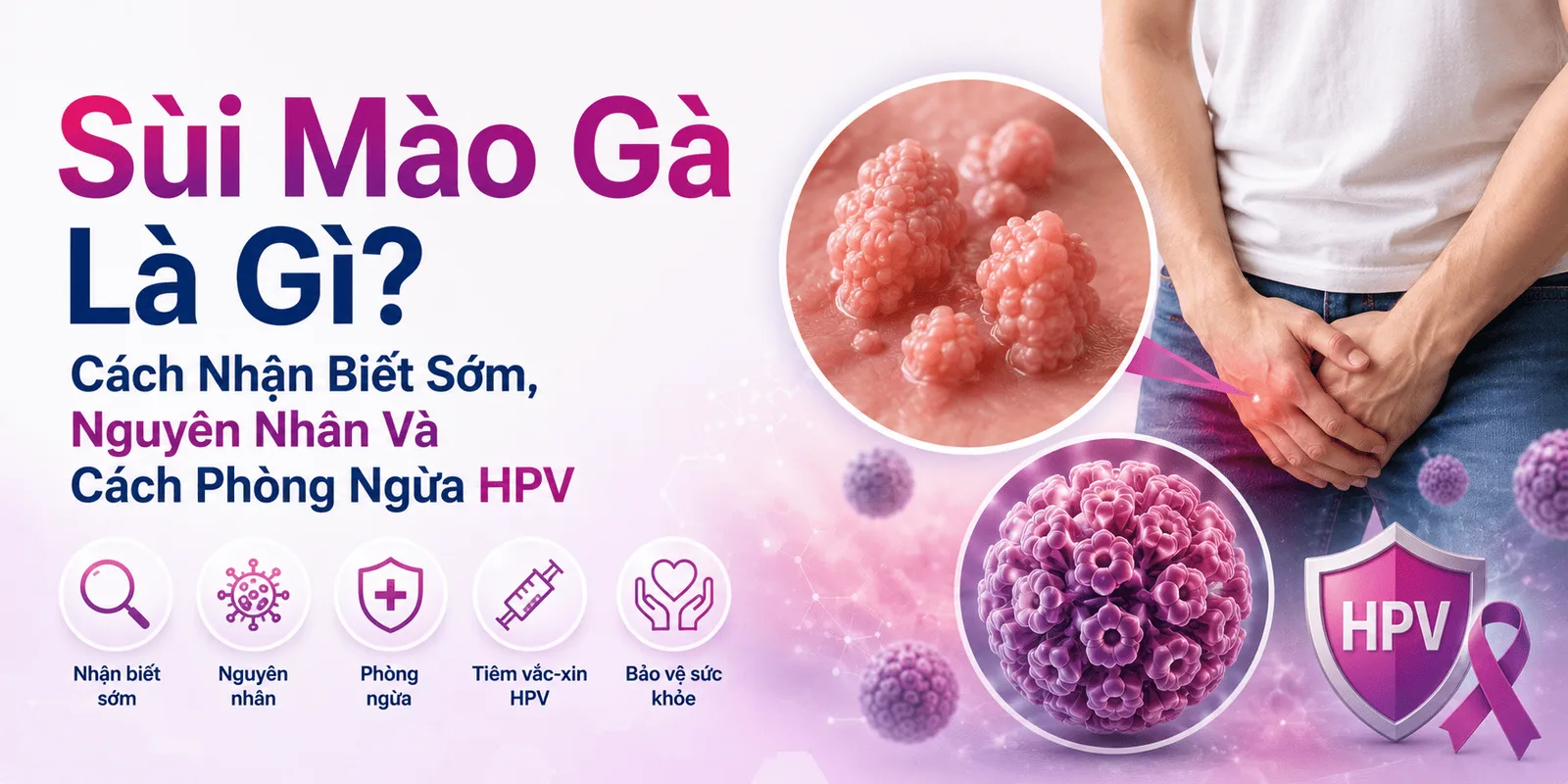
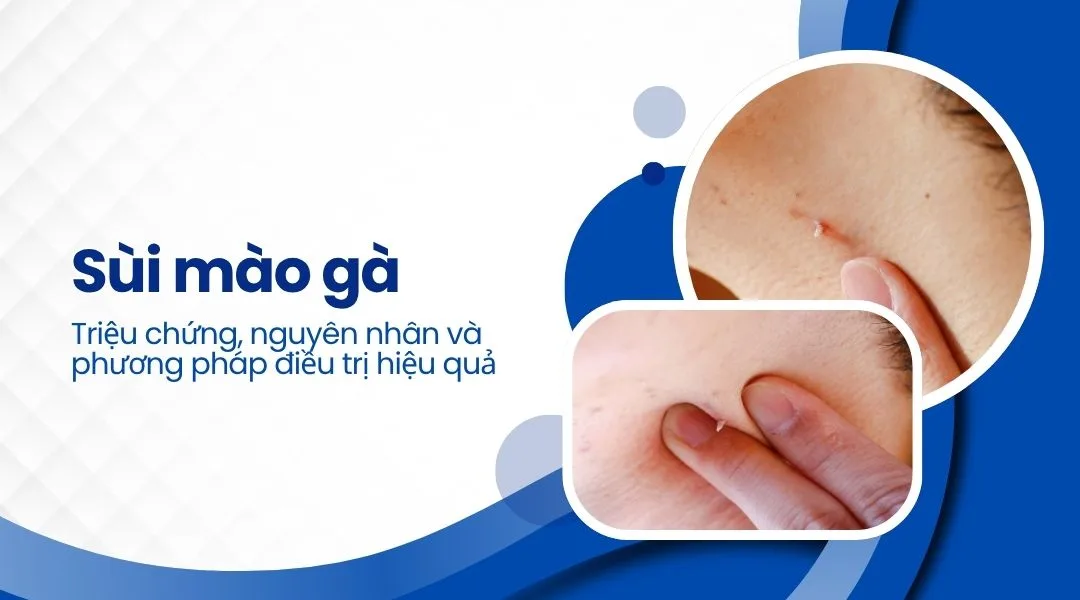
Genital warts are small, soft bumps that typically appear on the skin and mucous membranes of the genital area and anus, caused by the HPV virus. This is a benign condition but can spread quickly through direct contact, especially through unsafe sexual activity.

Genital warts can appear as single bumps or clusters resembling cauliflower, with varying sizes and colors depending on the patient. The condition affects both men and women, often occurring in the sexually active age group.
Causes of Genital Warts
The main cause of genital warts is infection with the HPV virus, especially strains HPV 6 and HPV 11 – two strains with low risk but most commonly associated with genital warts. The virus enters through small cuts on the skin or mucous membranes during direct contact with infected skin.
In addition to unsafe sexual activity, other factors that increase the risk of genital warts include a weakened immune system, having multiple sexual partners, early sexual activity, or direct contact with damaged skin of an infected person.
Transmission Routes of Genital Warts
Genital warts are mainly transmitted through sexual contact, including vaginal, anal, or oral sex with someone infected with the HPV virus. The virus can be transmitted even if the infected person does not have visible warts on their skin.
In addition, genital warts can be transmitted from mother to child during childbirth, or indirectly through sharing personal items with an infected person, although this case is quite rare. According to Centers for Disease Control and Prevention (CDC), HPV is currently the most common sexually transmitted infection.
Signs and Symptoms of Genital Warts
The symptoms of genital warts can vary depending on the level of infection and the location of the warts. Common signs include:
- Appearance of small, soft, flesh-colored or pink bumps on the genital or anal area
- The bumps can appear singly or in clusters resembling cauliflower
- Itching, discomfort, or a slight burning sensation at the affected skin area
- Light bleeding during sexual activity or when the warts are rubbed
- Abnormal discharge from the genital area with an unpleasant odor in some cases
Complications of Untreated Genital Warts
Untreated genital warts can spread to other parts of the body, causing difficulties in daily life and affecting the patient's mental health. Large warts can cause pain, bleeding, or infection if not cleaned properly.
In addition, some high-risk HPV strains, although less directly related to genital warts, can increase the risk of cervical, anal, or throat cancer in the long term. Therefore, early examination and treatment play a very important role in protecting reproductive health.
Diagnosis Methods for Genital Warts
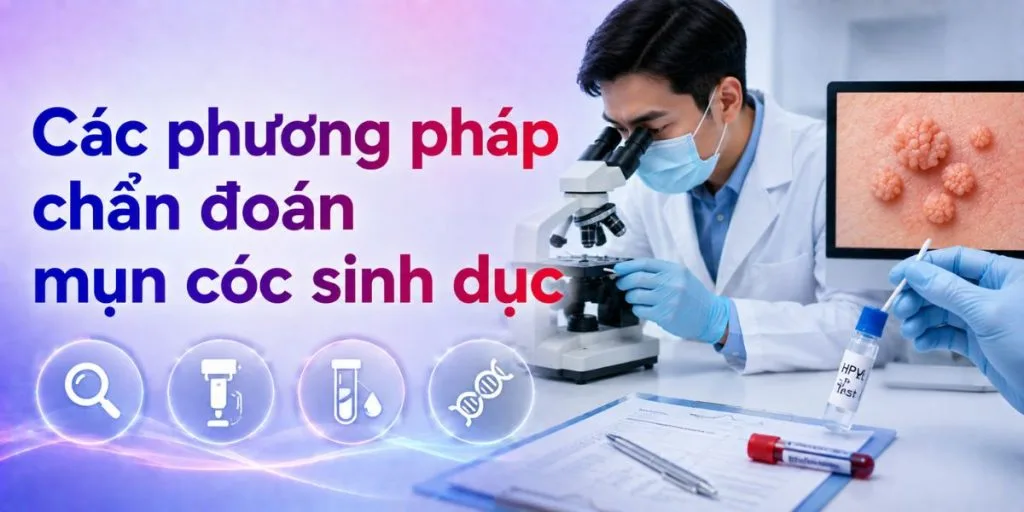
The diagnosis of genital warts is usually based on direct clinical observation of skin and mucous membrane lesions. Doctors may use acetic acid solution to highlight warts that are not easily visible to the naked eye.
In some cases, doctors may order HPV testing or a biopsy to accurately determine the virus strain, especially when there is a suspicion of high-risk HPV strains. Accurate diagnosis helps in developing an appropriate treatment plan for each patient.
Comparison Table of Genital Wart Treatment Methods
Currently, there are many different treatment methods for genital warts, depending on the severity of the condition and the patient's health status. The table below summarizes common methods for patients to refer to.
| Treatment Method | Procedure | Advantages | Recovery Time |
|---|---|---|---|
| Electrocautery | Uses high-frequency electricity to remove warts | Quick removal, immediate effectiveness | 1 – 2 weeks |
| Laser Therapy | Uses laser light to destroy the affected tissue | Precise, minimal damage to healthy tissue | 1 – 2 weeks |
| Cryotherapy (Liquid Nitrogen) | Freezes and destroys the warts | Less invasive, cost-effective | 1 – 3 weeks |
| Topical Medication | Apply medication as prescribed by the doctor | Non-invasive, can be done at home | Several weeks to several months |
Common Genital Wart Treatment Methods
In addition to choosing a suitable method for the condition, patients must follow the doctor's treatment instructions correctly to achieve the best results and reduce the risk of recurrence. Common treatment methods for genital warts today include:
- Electrocautery or laser therapy: quickly removes large warts
- Cryotherapy with liquid nitrogen: suitable for small warts with few numbers
- Use of topical medications such as Podophyllin or Imiquimod as prescribed by a doctor
- Surgery for cases with widespread damage that is difficult to treat with other methods
- Immune system enhancement to help the body naturally eliminate the HPV virus
Effective Prevention of Genital Warts

Preventing genital warts is an important measure to protect your own health and that of your partner. Correct use of condoms during sexual activity significantly reduces the risk of infection, although it does not provide complete protection as HPV can be transmitted through uncovered skin areas.
In addition, HPV vaccination is an effective active prevention method, recommended for both men and women of the appropriate age. Maintaining safe sexual practices, being faithful to one partner, and having regular health check-ups also help reduce the risk of the disease.
When to See a Doctor
Patients should see a doctor immediately if they notice unusual bumps in the genital or anal area or experience persistent itching or burning without a clear cause. Early examination helps in accurate diagnosis and selection of the appropriate treatment method for genital warts, preventing complications later on.
In addition, if your partner is diagnosed with genital warts or HPV infection, you should also proactively seek medical examination even if you have no symptoms, to detect the condition early and prevent its spread in the community.
Further reading
This article provides general information. For decisions about diagnosis, medicines or treatment, consult a qualified healthcare professional. Service availability and costs can change; confirm with the provider before booking. Our editorial approach
Published by Love2Test — Accessible sexual health information