Health
Genital Warts: Early Signs, Causes and HPV Prevention
Genital warts are caused by HPV and can be transmitted through sexual contact. Learn about the symptoms, causes, risks, and effective prevention methods.
Updated

On this page
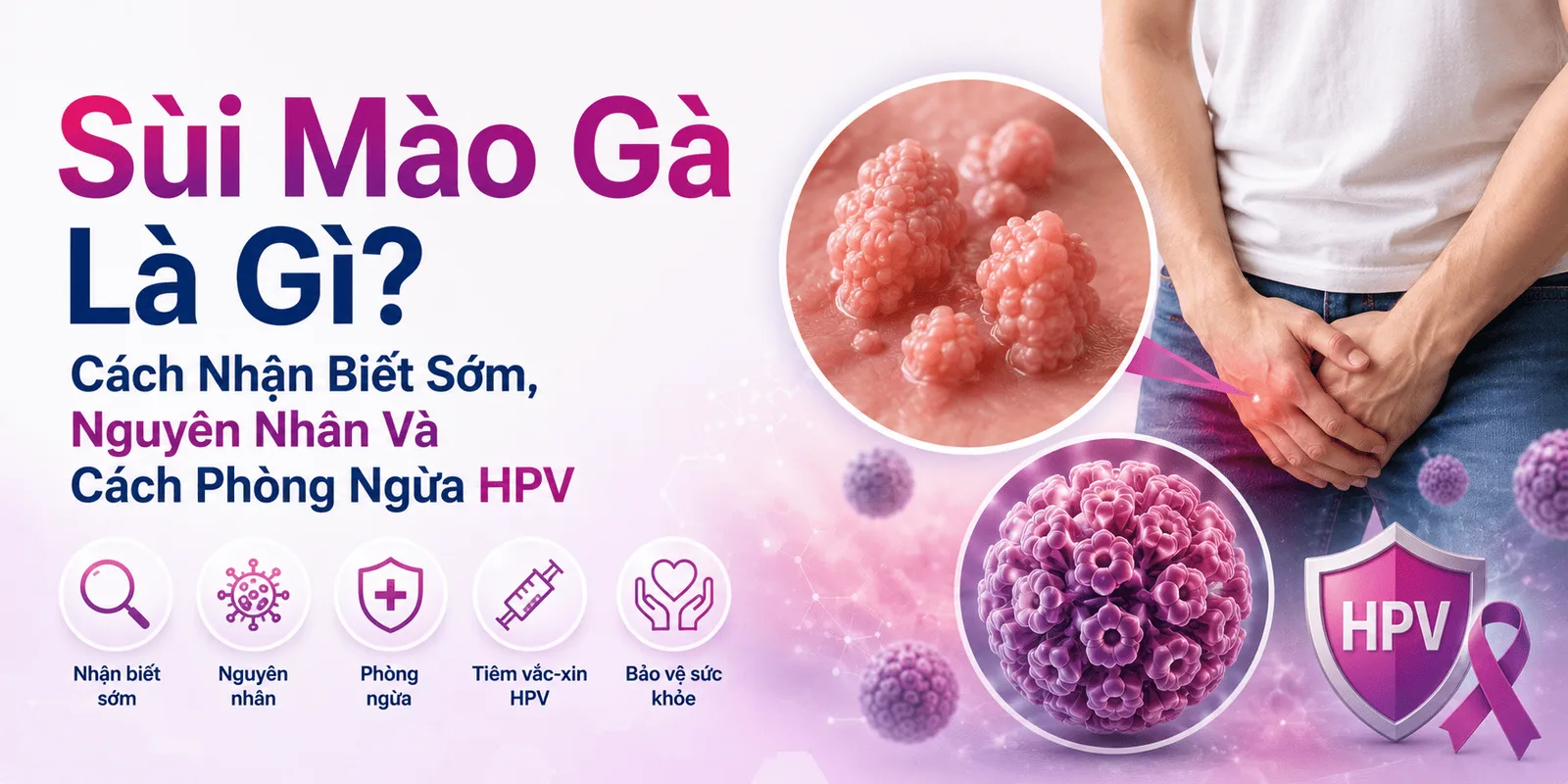
Genital warts are one of the most common sexually transmitted infections caused by the HPV virus. The disease can appear on the genital area, anus, mouth, or throat and is often difficult to detect in the early stages. Understanding the symptoms of genital warts, the causes of the disease, and risk factors will help individuals be more proactive in prevention, testing, and protecting their sexual health.
What are genital warts?
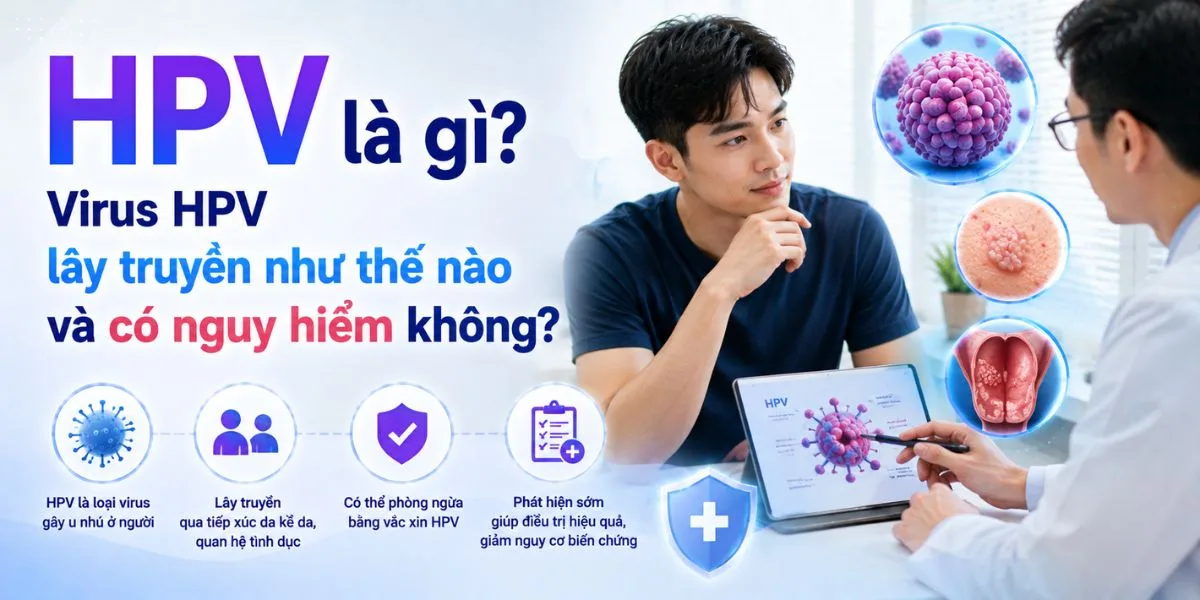
Genital warts are also known as genital warts. This condition is caused by the HPV virus and is usually transmitted through unprotected sexual activity.
The disease can be transmitted through:

- Vaginal sex
- Anal sex
- Oral sex
- Direct skin-to-skin contact with an HPV-infected area
Some people infected with HPV may not have obvious symptoms but can still transmit the virus to others.
How to identify genital warts
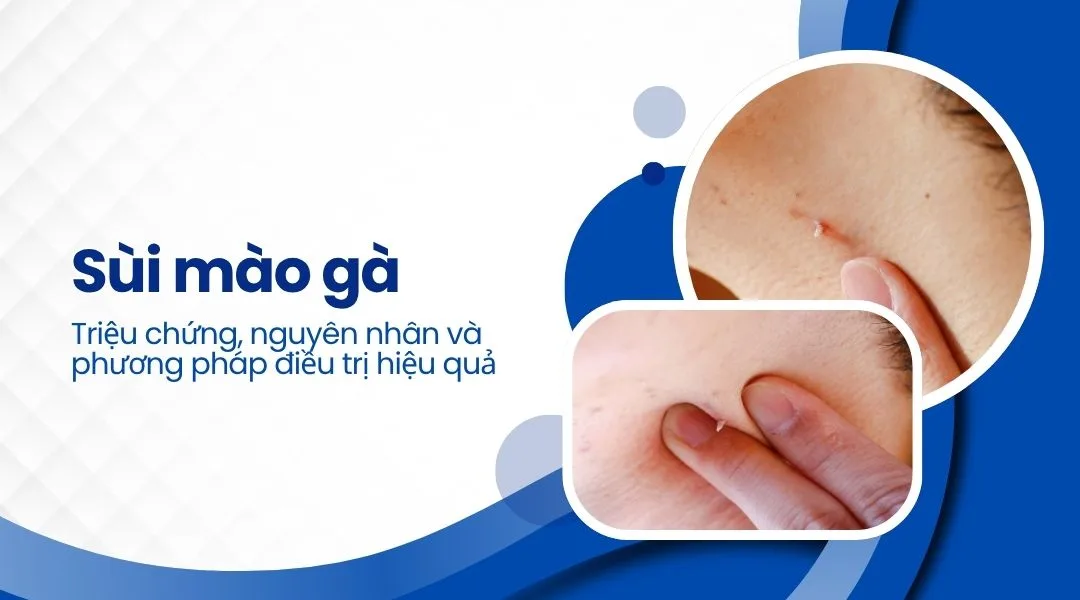
In the early stages, genital warts often appear as small bumps on the skin or mucous membranes.
Common characteristics include:
- Small, soft bumps
- Pink, skin-colored, or slightly darker in color
- Smooth or slightly bumpy surface
- Can appear singly or in clusters
- Resembles the appearance of a chicken's comb or cauliflower
Because these bumps can be located inside the genital area or anus, many people do not detect the disease early on.
Symptoms of genital warts in men
In men, genital warts can appear on:
- Penis
- Scrotum
- Thighs
- Buttocks
- Around the anus
- Inside the anus
- Mouth, lips, tongue, or throat if oral sex is involved
Some possible symptoms include:
- Itching or discomfort in the genital area
- Bleeding after sex
- Pain or burning when the affected area is rubbed
- Appearance of unusual genital warts
Symptoms of genital warts in women
In women, genital warts can be harder to detect because the damage may occur inside the vagina or cervix.
Common locations include:
- Vulva
- Vagina
- Cervix
- Anus
- Mouth or throat
Symptoms may include:
- Abnormal vaginal discharge
- Itching or burning sensation
- Pain during sexual activity
- Bleeding after sex
- Appearance of bumps in the genital area
Causes of genital warts
The primary cause of genital warts is the HPV virus. There are many types of HPV, some of which cause genital warts, while others are associated with cancer risk.
Risk factors that increase the likelihood of contracting the disease include:
- Unprotected sexual activity
- Having multiple sexual partners
- Not knowing the sexual health status of your partner
- Having a history of sexually transmitted infections
- Engaging in sexual activity at an early age
- Weakened immune system
- Living with HIV
- Smoking
Are genital warts dangerous?
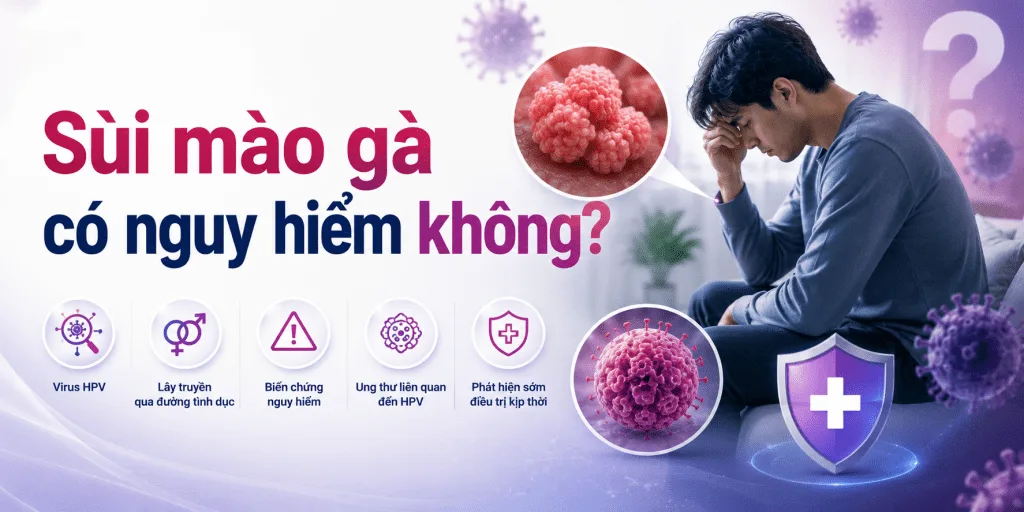
Genital warts not only cause physical discomfort but can also affect mental well-being, self-confidence, and sexual life.
If not detected and managed properly, HPV can be associated with certain health issues such as:
- Recurrent genital damage
- Transmission to sexual partners
- Increased risk of other STIs
- Risk of cervical, anal, penile, or throat cancer in certain high-risk HPV strains
Therefore, regular sexual health check-ups and HPV vaccination are very important.
Can genital warts be prevented?
You can reduce the risk of genital warts by taking the following measures:
HPV vaccination
The HPV vaccine helps prevent many high-risk HPV strains and those commonly associated with genital warts.
Correct use of condoms
Condoms help reduce the risk of HPV transmission, although they do not provide complete protection as the virus can be transmitted through uncovered skin areas.
Regular sexual health testing
Regular testing helps detect abnormalities early and reduces the risk of transmitting the infection to sexual partners.
Communication with sexual partners
Sharing health information helps both partners make safer decisions regarding sexual activity.
When should you get tested?
You should consider getting tested if:
- Unusual bumps appear
- You have had unprotected sex
- You have multiple sexual partners
- You have a new sexual partner
- You have a history of STIs
- You live with HIV or have a weakened immune system
- You want to have regular sexual health check-ups
You should not self-diagnose or self-treat at home, as many genital conditions have similar symptoms.
Take control of your health with Love2Test.vn
Love2Test.vn provides reliable information about HIV, PrEP, HPV, genital warts, and other sexually transmitted infections. Users can learn about sexual health knowledge, assess their risk online, and be more proactive in taking care of themselves. Understanding HPV and genital warts correctly can help reduce stigma, increase early detection, and protect public health.
Conclusion
Genital warts are a common sexually transmitted infection caused by HPV. The disease can appear in various locations and may not be easily detected in the early stages. To prevent genital warts, everyone should get the HPV vaccine, practice safe sex, have regular health check-ups, and stay informed from reliable sources like Love2Test.vn.
Further reading
This article provides general information. For decisions about diagnosis, medicines or treatment, consult a qualified healthcare professional. Service availability and costs can change; confirm with the provider before booking. Our editorial approach
Published by Love2Test — Accessible sexual health information