Health
When Should You Get an HIV Test?
Find out when to consider HIV testing, how common test types work and why early testing and appropriate follow-up matter.
Updated

On this page
When Should You Get an HIV Test? You should get tested immediately if you have a risk behavior or on a regular basis to protect your health. An HIV test is the only way to determine if the HIV virus is present in your body. HIV attacks the immune system and CD4 cells. This weakens the body's ability to fight disease. Understanding the right time for testing helps you take control of your condition.
When Should You Get an HIV Test?
People newly infected with HIV often do not have clear symptoms. Waiting for clinical symptoms may delay the detection of the disease.
Health experts recommend:
- Regular Testing: You should get tested at least 1 time a year.
- Risk Behavior: Get tested immediately if you have been exposed to a potential source of infection.
- Remove Barriers: View testing as a civilized act of self-care.
Common HIV Testing Methods
Depending on the time of exposure, the accuracy of the methods varies:
HIV p24 Antigen Test
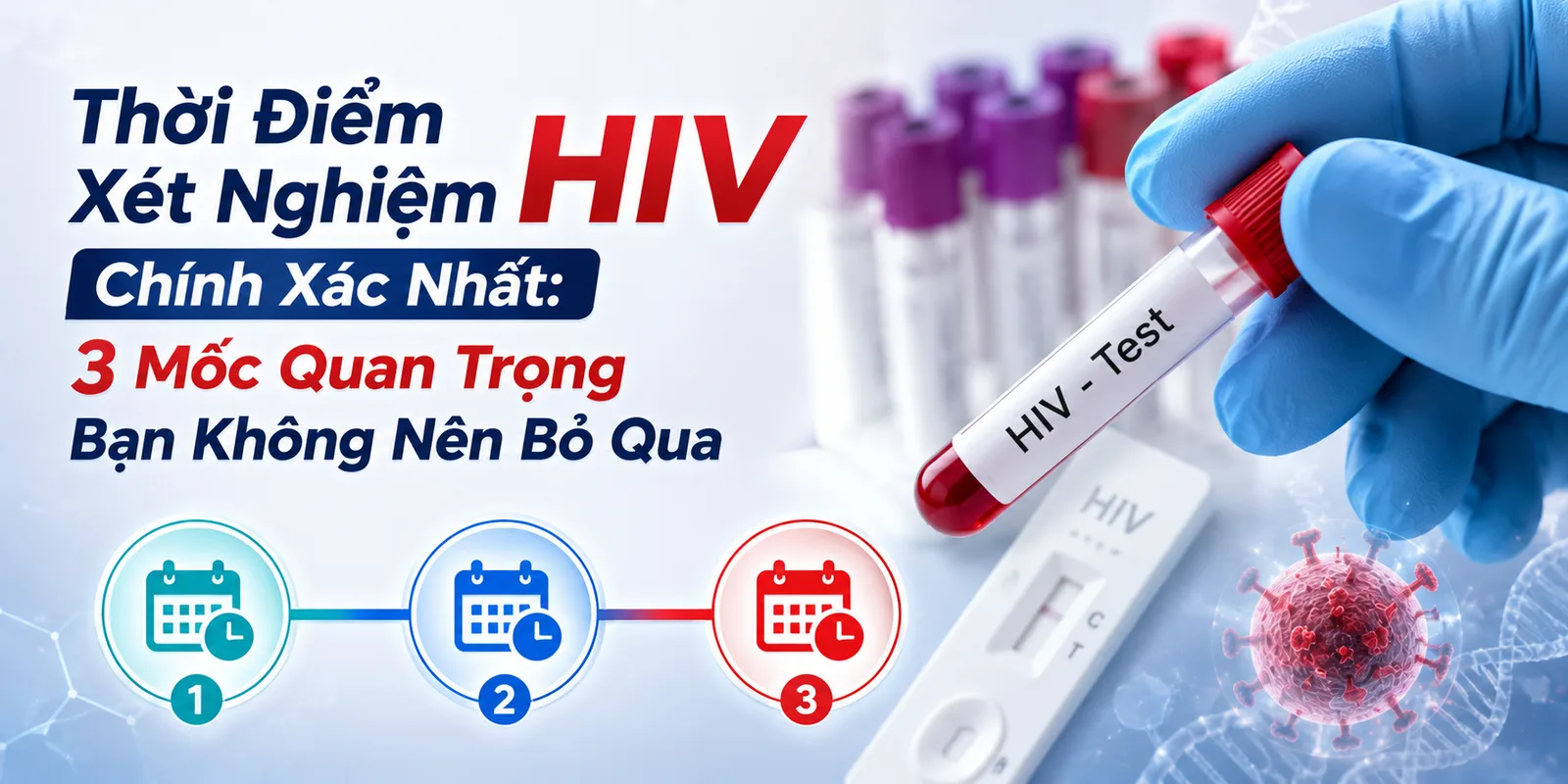
This method detects the p24 protein of the virus. It can detect HIV as early as 2 weeks after infection. At this time, the body may not have produced enough antibodies (Antibody).
Anti-HIV Test (Antibody Detection)
This is the most common screening method today. The body needs 3 – 4 weeks to produce enough specific antibodies.
HIV Ag/Ab Combination Test (4th Generation)
This is a modern method preferred by hospitals. It detects both the p24 antigen and Anti-HIV antibodies at the same time. A laboratory antigen/antibody test using venous blood usually detects HIV 18–45 days after exposure.
Nucleic Acid Test (NAT)
This technique directly detects the virus's genetic material. A NAT usually detects HIV 10–33 days after exposure.
Warning Signs That You Need to Get Tested Immediately
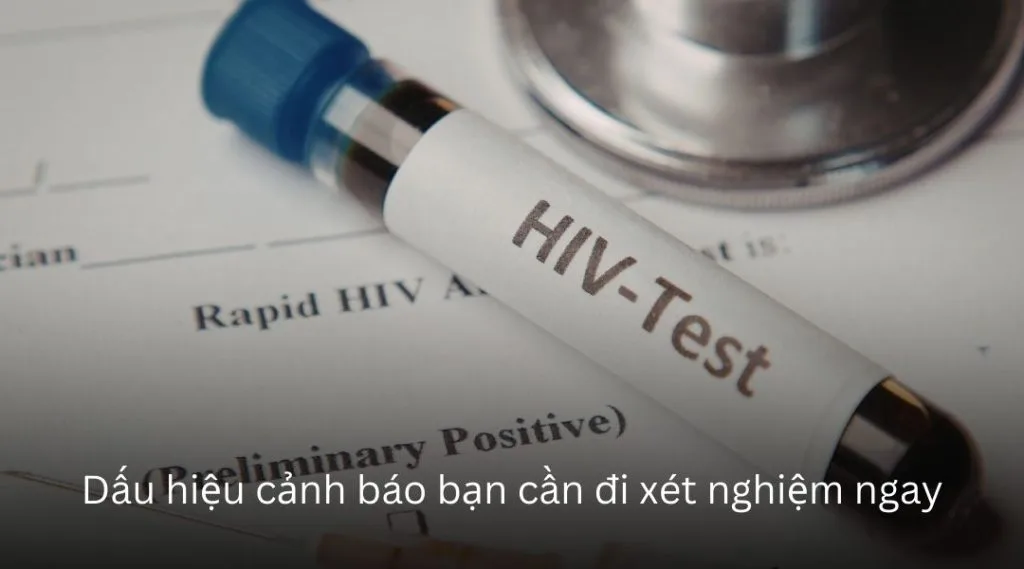
Get tested if you fall into any of the following situations:
- Engaged in sexual activity without using a condom.
- Shared needles or medical devices that were not sterilized.
- The condom broke or there was an issue during sexual activity.
- Engaged in sexual activity while not fully conscious or under duress.
- Have multiple partners or partners with high-risk behaviors.
Benefits of Early HIV Testing
- Timely Treatment: Starting ARV medication early helps maintain the immune system.
- Prevent Transmission: A low viral load eliminates the risk of transmission (U=U).
- Psychological Relief: Eliminates anxiety after potential exposure.
- Protecting Loved Ones: Helps you effectively protect your partner.
Notes After Receiving Results
- If the Result is Negative: Continue using condoms or PrEP medication. Consider retesting after the window period if needed.
- If the Result is Positive: Do not panic. HIV is now a manageable chronic condition. Consult a specialist immediately to start ARV treatment. Your personal information will be kept strictly confidential.
Conclusion
Getting an HIV test is a responsibility to yourself and your community. Take the initiative to get tested regularly to take control of your health.
Further reading
This article provides general information. For decisions about diagnosis, medicines or treatment, consult a qualified healthcare professional. Service availability and costs can change; confirm with the provider before booking. Our editorial approach
Published by Love2Test — Accessible sexual health information