Health
HIV Testing Benefits You May Not Know About
Explore the benefits of HIV testing, common testing methods, when to test and how knowing your status supports your health.
Updated

On this page
The benefits of HIV (Human Immunodeficiency Virus) testing are that it is a virus that causes immunodeficiency in humans. People infected with this virus will experience immune system issues, making their bodies unable to effectively fight off diseases.
HIV testing not only helps you know your health status but also brings many significant benefits to the community and those around you. Below are detailed information about the benefits of HIV testing.
What is HIV?
HIV is a virus that attacks and weakens the body's immune system. If the immune system is severely damaged, the body will be unable to fight off common pathogens, leading to dangerous complications such as cancer or tuberculosis.

If not tested and treated in time, people infected with HIV are at risk of progressing to the AIDS (Acquired Immunodeficiency Syndrome) stage – the final stage of infection, which directly threatens life.
Current HIV Testing Methods
Although there is no complete cure for HIV, modern medicine has developed effective and accurate testing methods. Knowing your infection status helps you plan better for your health care.
Common testing methods include:
HIV p24 Antigen Testing
This method detects the antigen of the HIV virus and can detect the disease approximately 2 weeks after infection. This is a useful test during the acute stage, when the body has not yet produced antibodies.
Anti-HIV Testing
This is the most common method for screening. This test detects antibodies against HIV produced by the body, usually detectable after about 3 weeks of infection.
HIV Ag/Ab Combination Assay
This method uses 4th-generation reagents, allowing the detection of both antigen (Antigen) and antibody (Antibody) at the same time. A laboratory antigen/antibody test using venous blood usually detects HIV 18–45 days after exposure.
Nucleic Acid Testing (NAT)
This is an advanced technology that detects the genetic material of the virus. A NAT usually detects HIV 10–33 days after exposure. However, this method is usually costly and less used for mass screening.
Benefits of HIV Testing
Actively testing for HIV brings many practical benefits:
- Protect yourself from infection: Regular testing helps you understand your health status, allowing you to take better protective measures.
- Access timely treatment: If a positive result is detected, you will receive immediate treatment from specialists.
- Treatment even without symptoms: Early treatment helps suppress the virus, preventing the disease from worsening.
- Protect your partner: Knowing your status helps you take preventive measures to avoid transmitting the infection to your partner or spouse.
- Prevent mother-to-child transmission: Pregnant women who are detected early will have treatment protocols to protect the fetus from infection.
- Improve knowledge: The counseling process during testing helps you understand HIV correctly, reducing unnecessary stigma and anxiety.
Who Should Get Tested for HIV?
Many people think they don't need testing, but in reality, annual testing is encouraged, especially for the following groups:
- People who have unsafe sexual relations (without using condoms).
- People who have sexual relations with multiple partners or whose partner's sexual history is unclear.
- People who have experienced sexual assault.
- Healthcare workers at risk of occupational exposure.
- People with sexually transmitted infections (STIs).
- Patients with tuberculosis.
- Pregnant women.
Understanding the 'Window Period'

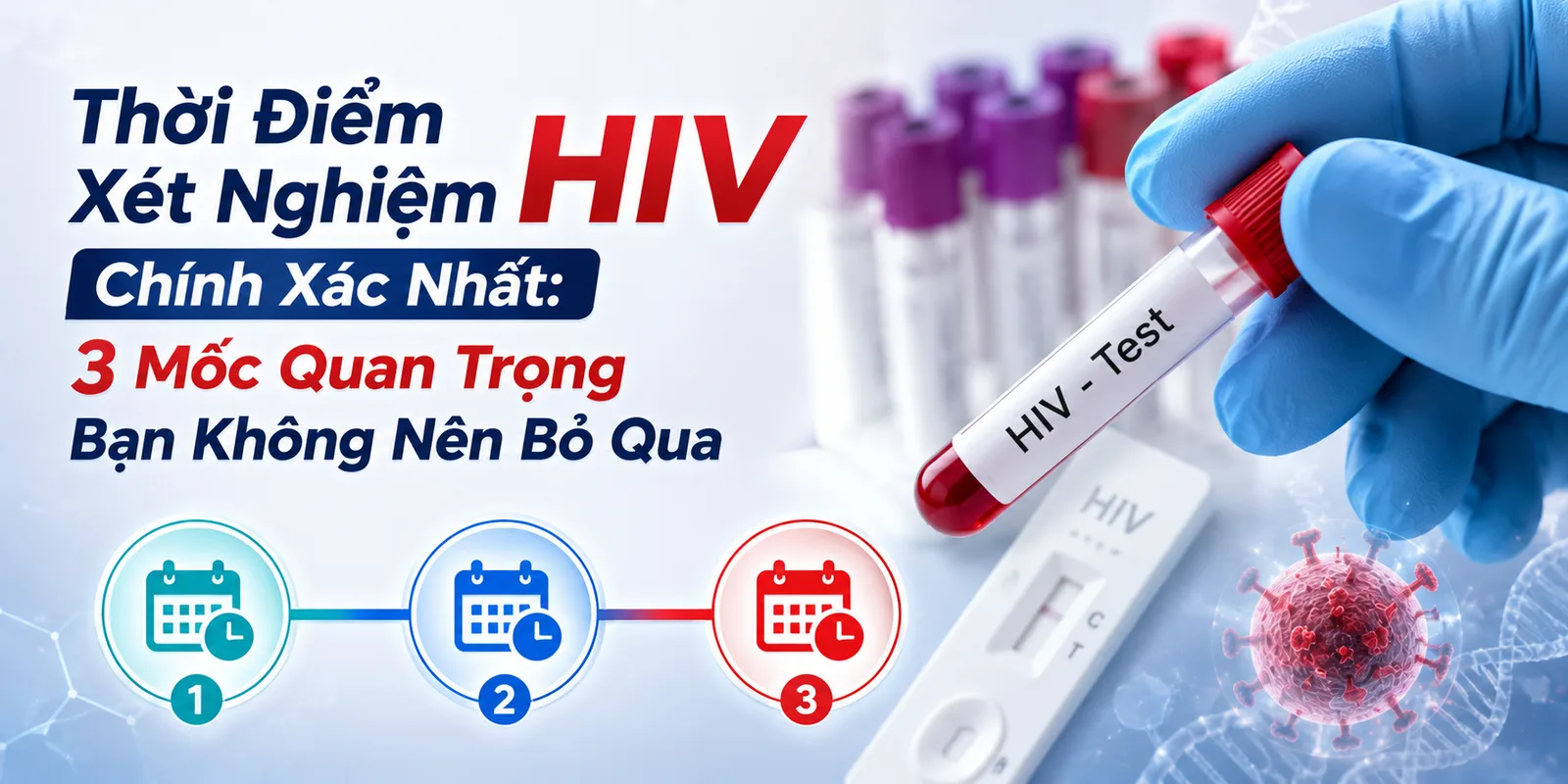
The Window Period is the time from when the virus enters the body until the test can detect it. During this period, even though the patient is infected with HIV and can transmit it to others, the test result may still be Negative.
Therefore, if you have risky behavior, get tested immediately and retest after the window period (usually 3 months) to confirm the most accurate result.
Common Misconceptions About HIV Testing
Many people still fear testing due to harmful misconceptions:
- Fear of a positive result: Early detection is an opportunity to live healthily. HIV is now a chronic disease that can be well controlled with medication.
- Fear of information being exposed: All HIV testing procedures strictly follow the principle of absolute confidentiality of the patient's identity and test results.
- Thinking that being healthy means not infected: HIV can remain dormant for many years without external symptoms. Only testing can confirm this accurately.
Note: This article is for reference only. Please visit reputable medical facilities for accurate consultation and testing.
Further reading
This article provides general information. For decisions about diagnosis, medicines or treatment, consult a qualified healthcare professional. Service availability and costs can change; confirm with the provider before booking. Our editorial approach
Published by Love2Test — Accessible sexual health information