Health
Genital Warts: Symptoms, Causes and Treatment Options
Learn about genital warts caused by HPV, common symptoms, how they spread and the treatment options discussed with healthcare professionals.
Updated

On this page
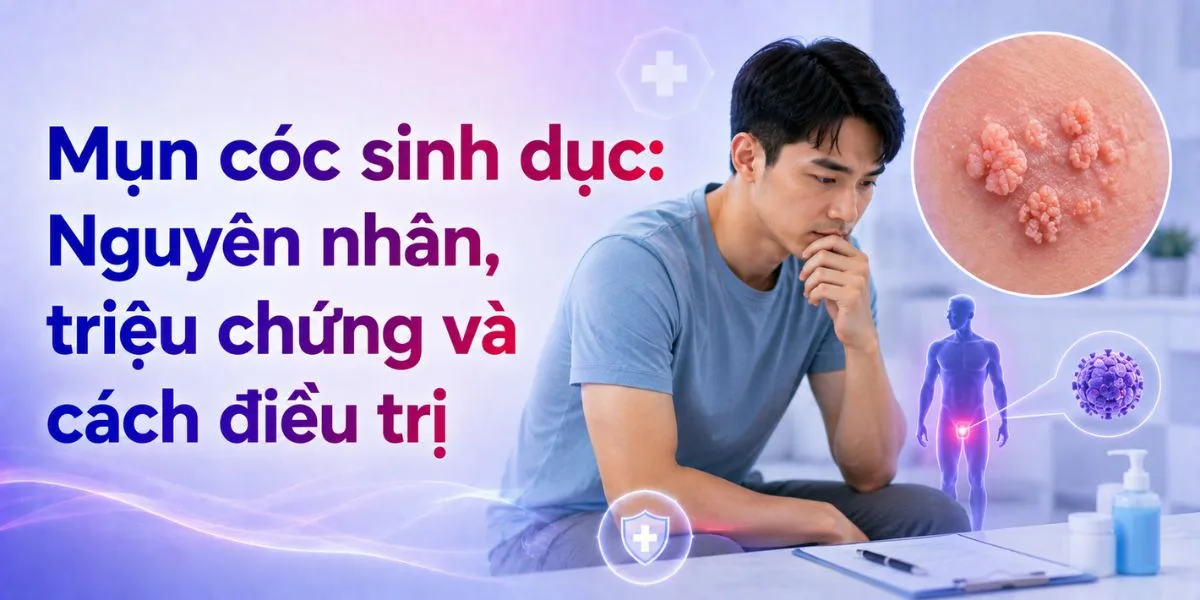
Genital warts are a very common sexually transmitted disease (STDs). The disease is caused by the Human Papillomavirus (HPV). Being equipped with knowledge about the disease helps you actively protect your health. At the same time, understanding the Benefits of HIV Testing and other social diseases is extremely important. Let's explore this disease in detail to have the correct prevention methods.
What causes genital warts?
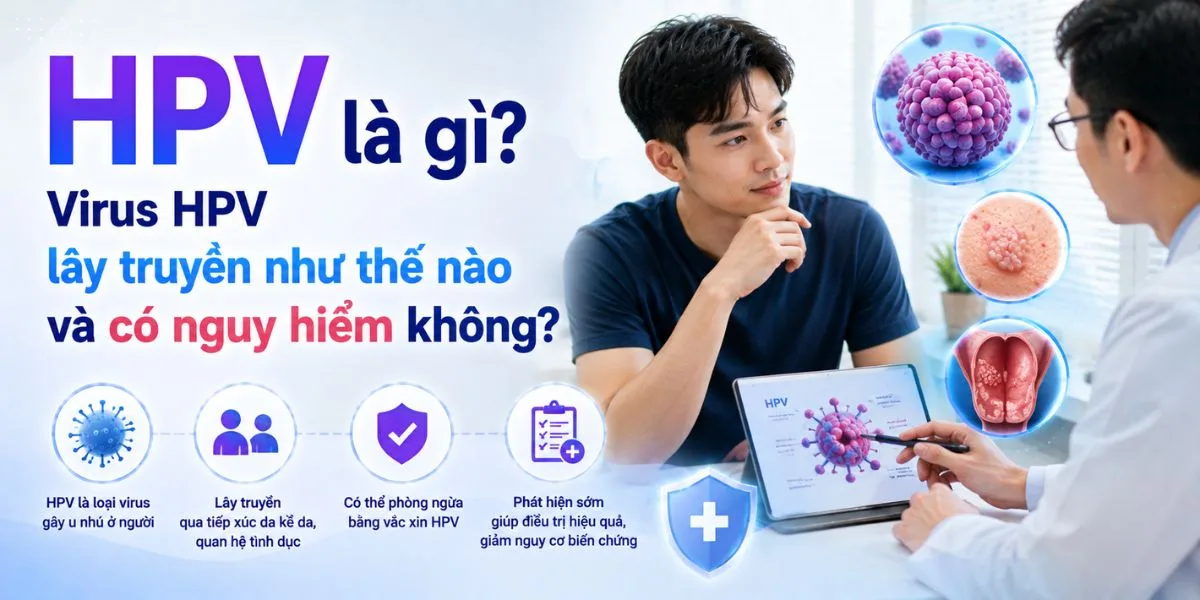
The direct cause of genital warts is the HPV virus. Over 100 different strains of HPV have been identified. Among them, strains 6 and 11 are responsible for most cases of genital warts.
The virus spreads mainly through the following routes:

- Unsafe sexual contact: This is the most common transmission route today. The virus spreads through the vagina, anus, and even the mouth.
- Direct contact: The virus can spread through open wounds on the skin. Contact with infected skin also poses risks.
- Transmission from mother to child: Pregnant women with genital warts can pass the infection to their fetus. Transmission usually occurs during natural childbirth.
Symptoms to identify genital warts
Symptoms of the disease usually appear a few weeks or months after infection with the virus.
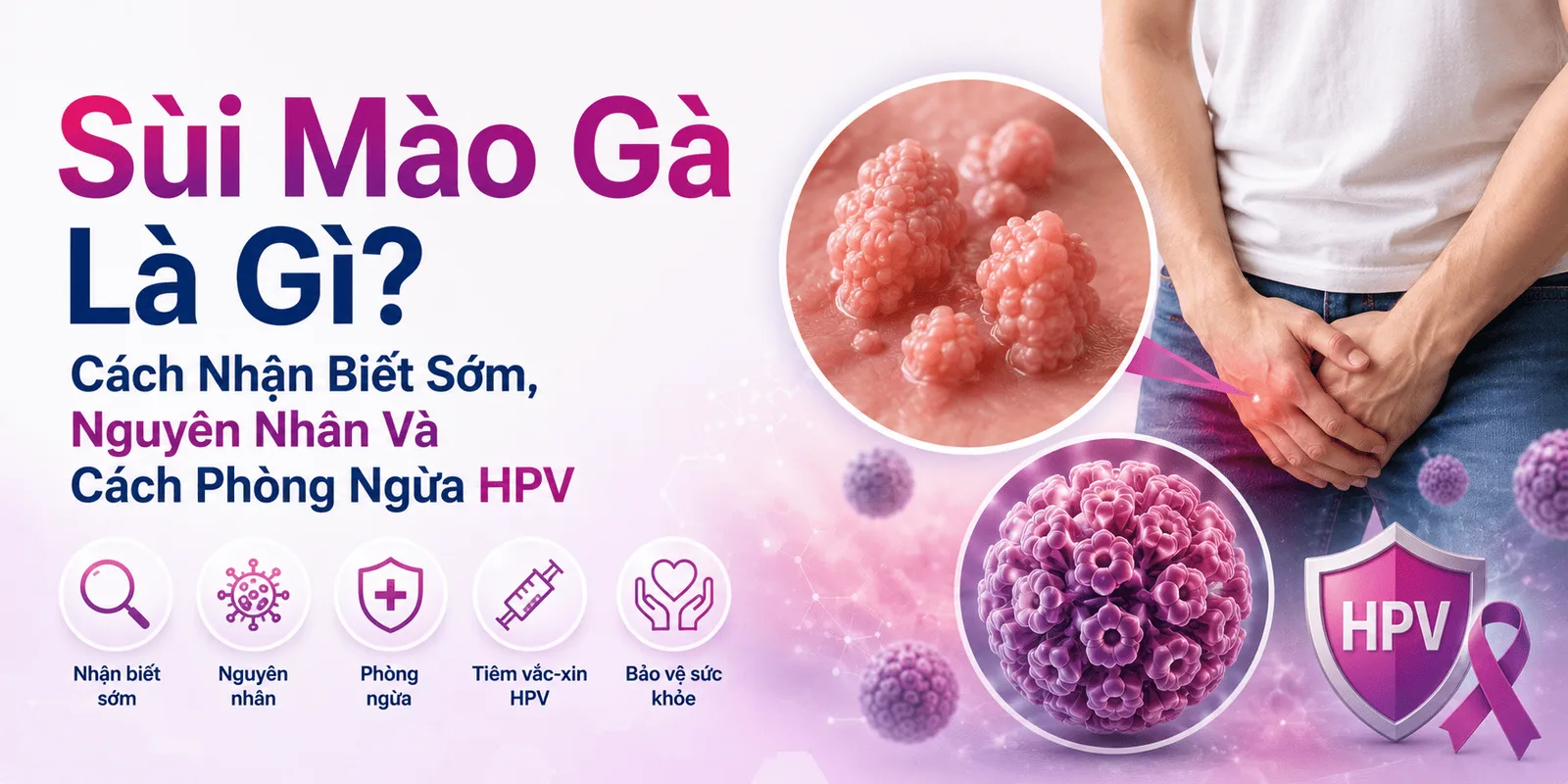
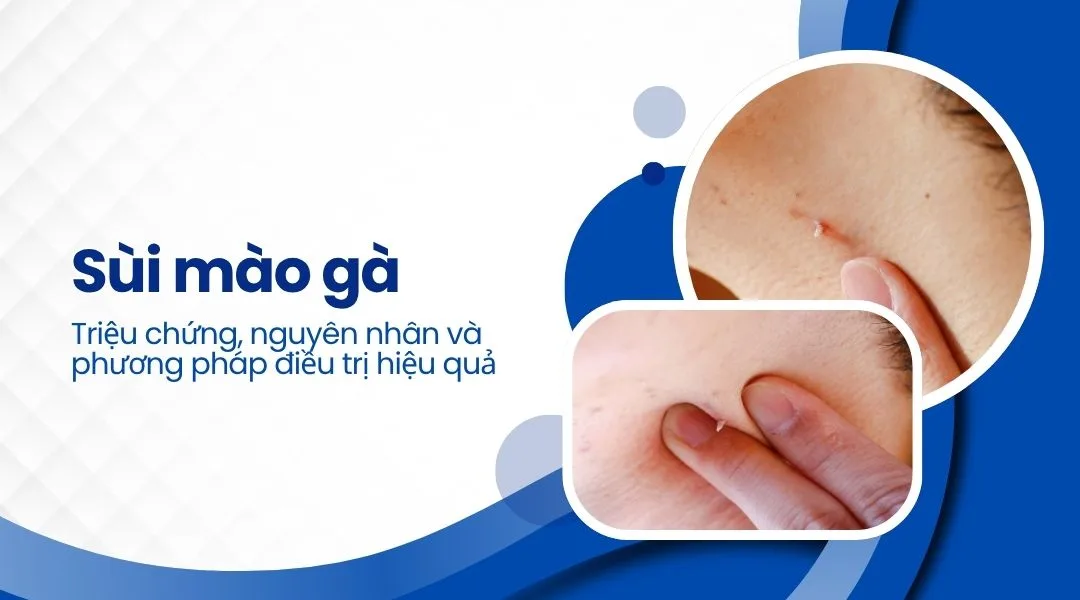
- Appearance of warts: Small, pink or skin-colored bumps appear. They can appear singly or in clusters resembling a rooster's comb.
- Location of appearance: Warts often appear on the genital area, anus, or throat.
- Discomfort: Patients may feel itching or mild burning. In some cases, the warts may rupture and bleed during sexual activity.
Dangerous complications if not treated in time
Genital warts, if left untreated, can cause many health complications:
- Cancer: Some high-risk HPV strains can lead to cervical cancer. It can also cause anal and penile cancer.
- Impact on pregnancy: Large warts can cause difficulties during childbirth. Newborns may be at risk of respiratory tract infection from the virus.
- Psychological effects: Patients often feel self-conscious, anxious, and inferior. This significantly reduces the quality of daily life.
Current treatment methods for genital warts
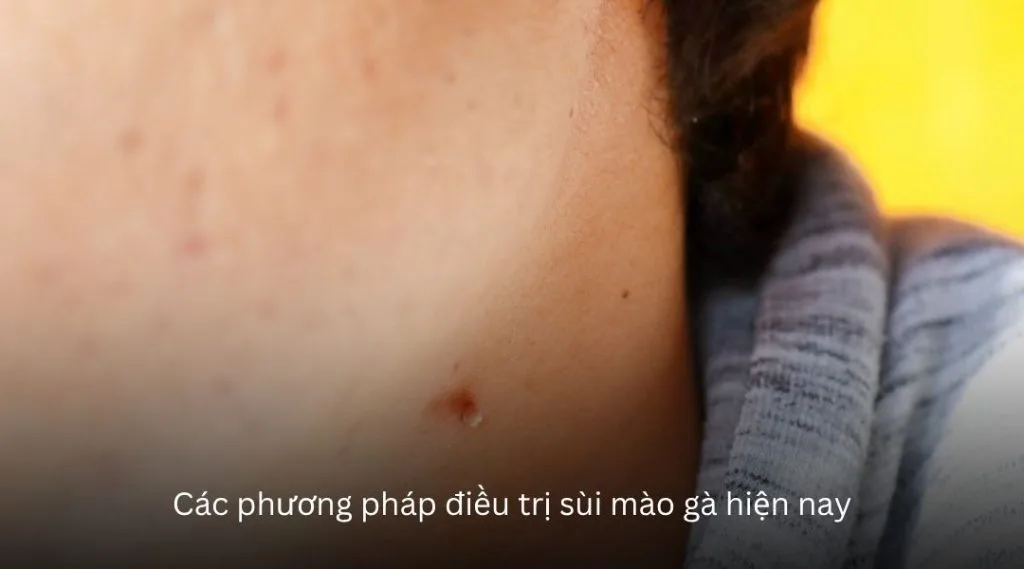
Currently, there is no drug that can completely eliminate the HPV virus from the body. However, treatment methods can effectively remove the warts:
Use of topical medications: Doctors will prescribe specific creams or solutions. The medication helps remove the warts after a period of use. You must not self-medicate without medical guidance.
Surgical procedures: For large or recurring warts, doctors may intervene with:
- Cold therapy using liquid nitrogen.
- Electrocautery or laser treatment.
- Surgical removal of the warts.
Active prevention methods for genital warts
Prevention is always better than cure through healthy habits:
- HPV vaccination: This is the most effective way to protect both men and women.
- Use of condoms: Always use condoms during every sexual encounter.
- Being faithful to one partner: Reducing the number of sexual partners helps limit the risk of infection.
- Regular health check-ups: Understanding the Benefits of HIV Testing and STDs helps detect the disease early.
Conclusion
Genital warts are a disease that can spread very quickly. Applying the correct Benefits of HIV Testing and regular screening is very important. Please seek medical attention immediately if you notice any unusual symptoms on your body. Protecting yourself is the best way to protect the people you love.
Further reading
This article provides general information. For decisions about diagnosis, medicines or treatment, consult a qualified healthcare professional. Service availability and costs can change; confirm with the provider before booking. Our editorial approach
Published by Love2Test — Accessible sexual health information