Health
HIV and HPV Coinfection: Risks and Management
Learn how HIV and HPV coinfection can affect health, why monitoring matters, and the roles of screening, treatment and prevention.
Updated

On this page
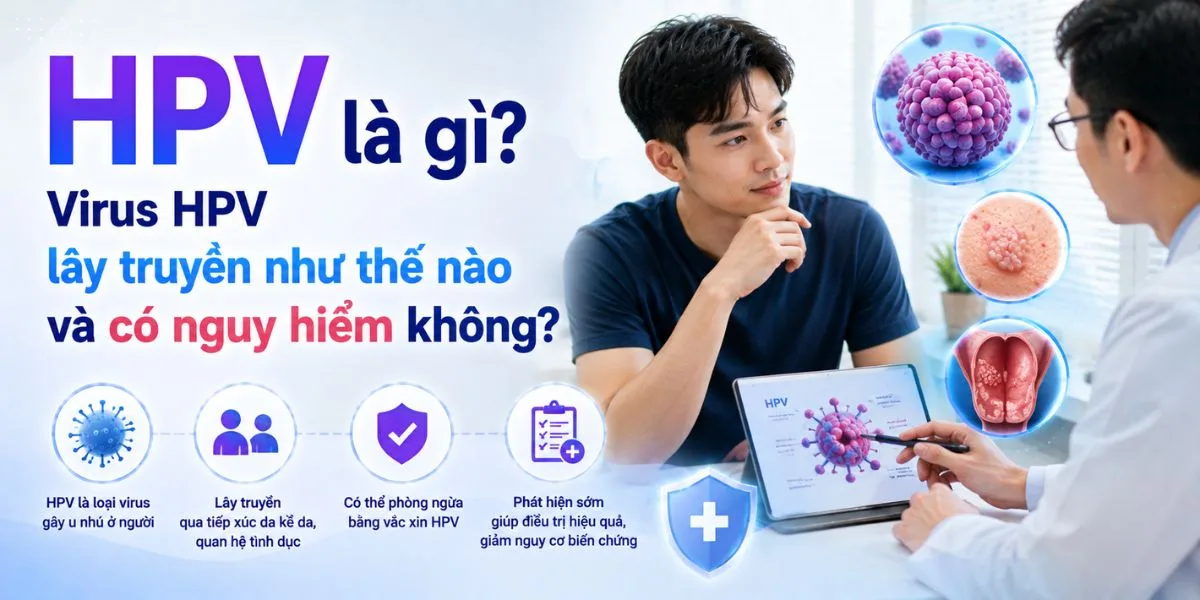
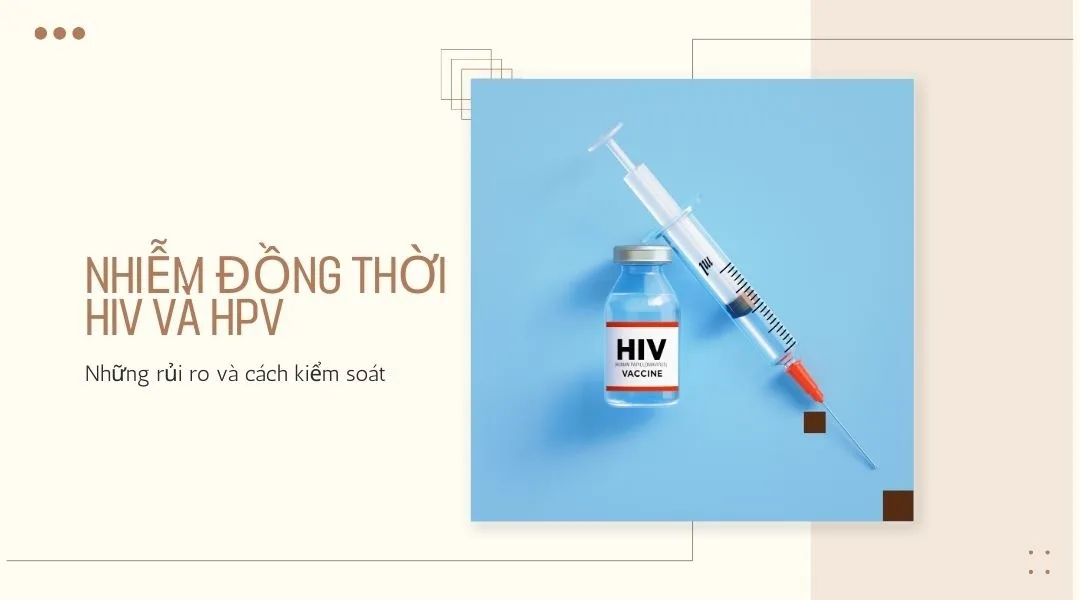
Concurrent HIV and HPV infections are common among individuals with high-risk behaviors. HIV attacks the immune system and can progress to AIDS if left untreated. HPV is the cause of warts and dangerous types of cancer. Both viruses are transmitted similarly through unsafe sexual contact.
Symptoms of Concurrent HIV and HPV Infections
Both HIV and HPV typically do not show clear symptoms in the early stages. Recognition must rely on the specific characteristics of each virus.
Signs of HIV Infection
You cannot determine HIV infection status through visual observation alone. However, some early symptoms may appear after infection, including:
- Fever, sore throat, and headache.
- Rash on the skin or swollen lymph nodes.
- Muscle and joint pain and prolonged fatigue.
- Night sweats, diarrhea, or unexplained weight loss.
Signs of HPV Infection
The symptoms of HPV depend on the type of virus you are infected with:
- Common warts: Small, rough bumps, usually appearing on the hands or fingers.
- Flat warts: Small, smooth bumps slightly raised above the skin.
- Plantar warts: Hard, rough bumps that cause pain when standing or walking.
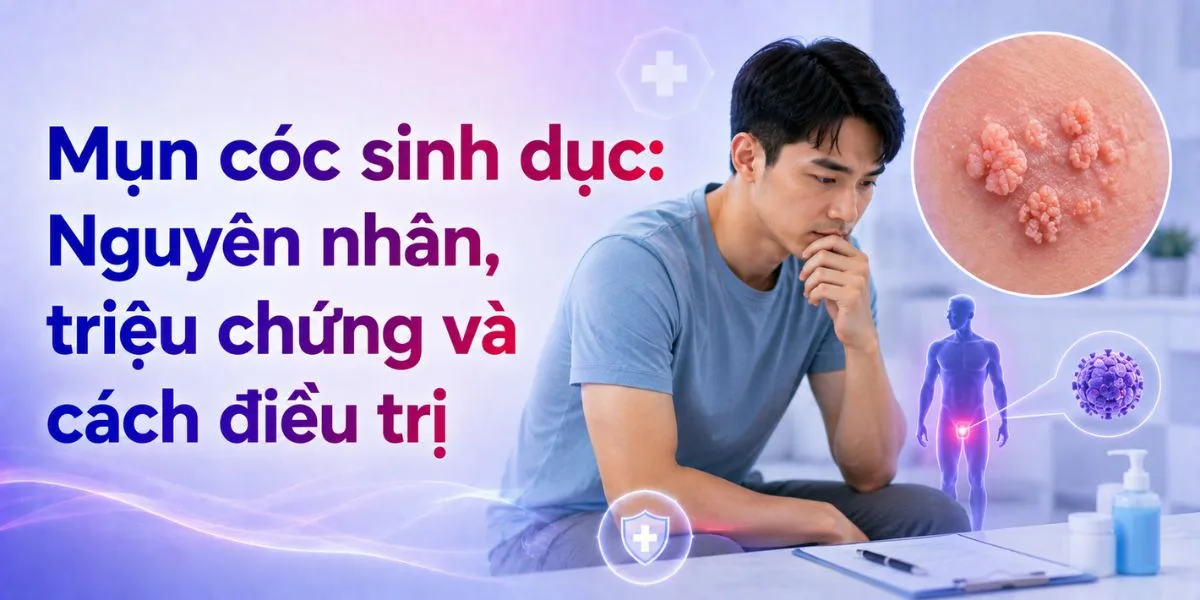
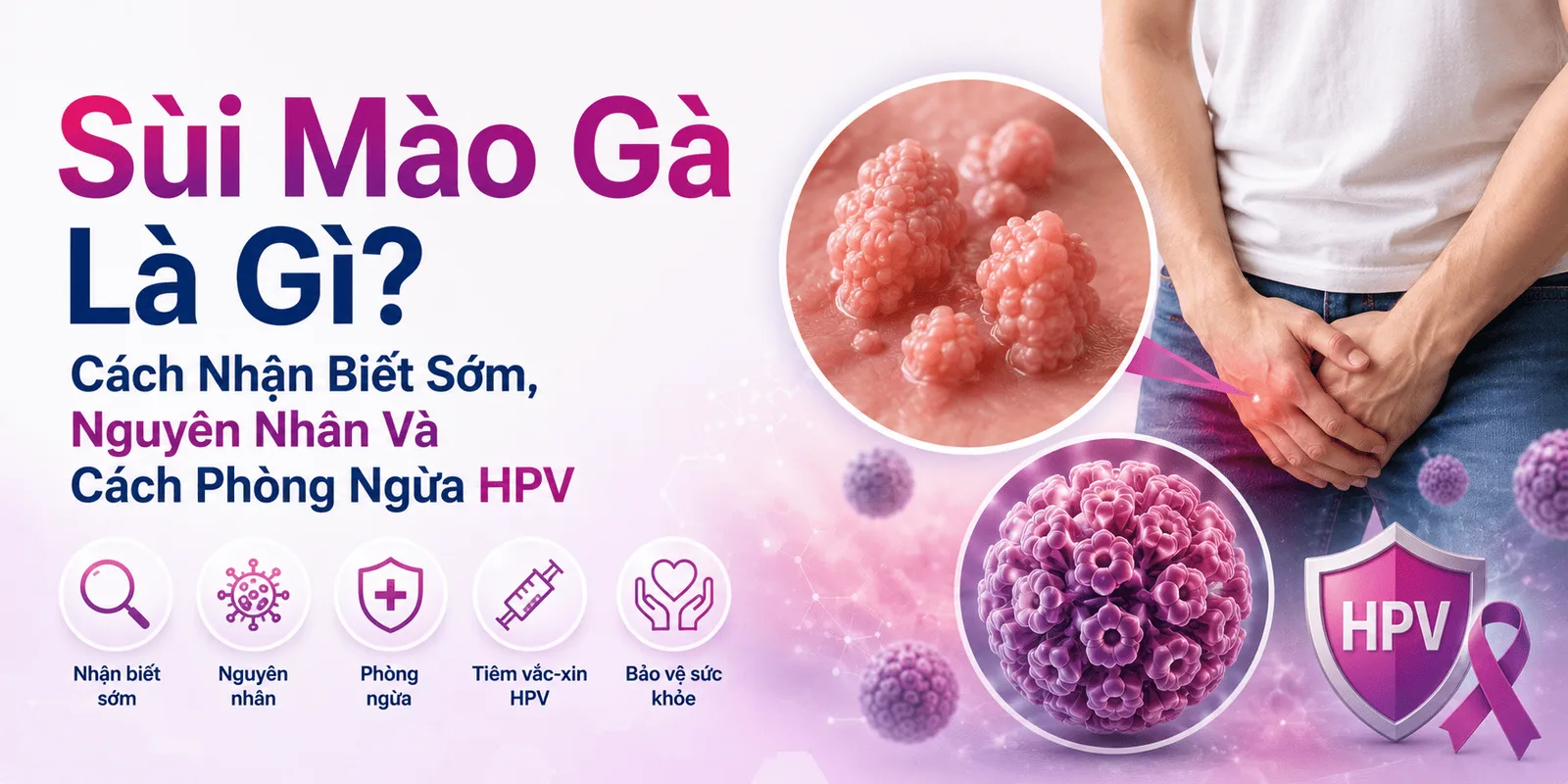
- Genital warts (Genital warts): Fleshy, rough bumps on the genital area or anus.
Why Concurrent HIV and HPV Infections Are Dangerous
This condition is very dangerous because both can promote each other's development into malignant diseases. When HIV weakens the immune system, the body no longer has the ability to suppress the HPV virus.
This leads to serious health risks:
- Increased risk of cervical and anal cancer.
- Increased risk of oral and throat cancer.
- Genital tumors develop faster and are harder to treat.
- Frequent abnormal results in cancer screening (Pap Smear).
Treatment for Concurrent HIV and HPV Infections
There is currently no method to completely eliminate both viruses from the body. However, treatment helps control the disease and effectively prevent complications.
Medical Treatment
- HIV Treatment: Antiretroviral therapy (ART) is the core treatment. ART helps restore the immune system and suppresses HIV virus development.
- HPV Treatment: May include topical medications, surgical removal of warts, or vaccination against dangerous strains.
Complementary Health Care
Maintaining a healthy lifestyle plays an important role in supporting treatment:
- Eat a nutritious diet to boost immunity.
- Reduce stress and maintain an optimistic mindset.
- Change habits such as quitting smoking and limiting alcohol consumption.
- Practice safe sex and remain faithful to one partner.
Conclusion
Concurrent HIV and HPV infections can cause serious health consequences. However, early detection and proper treatment will help you live healthily. Actively undergo regular screening to protect yourself from unnecessary risks.
Further reading
This article provides general information. For decisions about diagnosis, medicines or treatment, consult a qualified healthcare professional. Service availability and costs can change; confirm with the provider before booking. Our editorial approach
Published by Love2Test — Accessible sexual health information