Health
The HIV Testing Process: Steps and What to Expect
Learn what happens during HIV testing, who may need a test, how timing affects results and what to expect after testing.
Updated

On this page
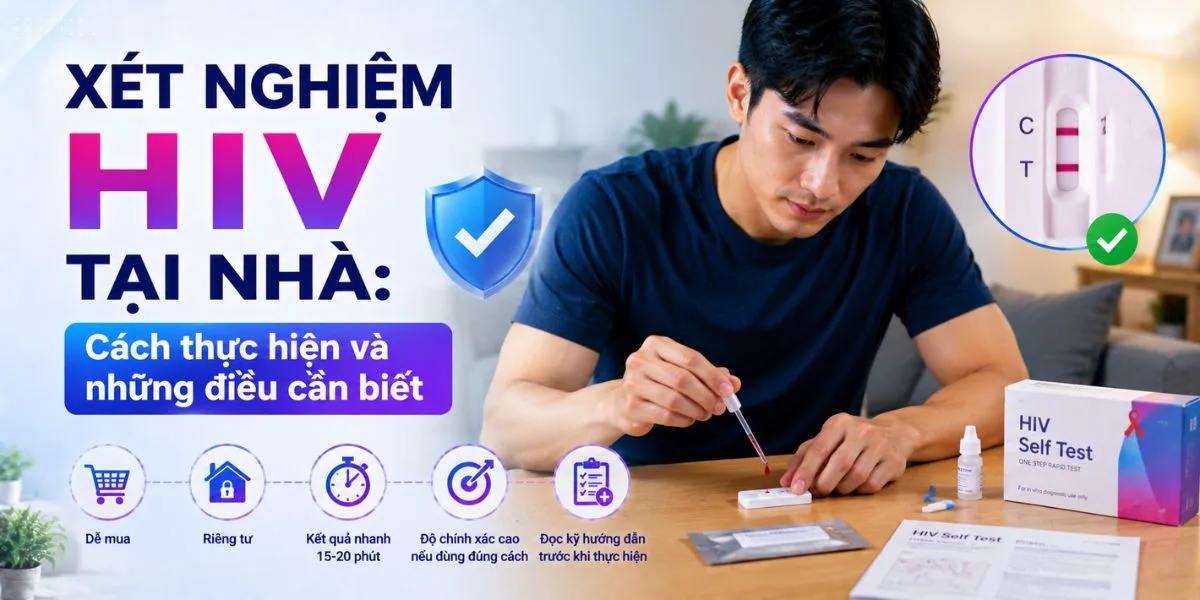
Stigma from past misconceptions about HIV/AIDS remains a significant barrier that prevents many people from getting tested, even when they are at risk of exposure. To protect public health and eliminate prejudice, it is crucial to proactively understand the HIV Testing Process.
Today, thanks to medical advancements, HIV is no longer a 'death sentence'. People living with HIV can live healthy, normal lives if they adhere to antiretroviral (ARV) treatment. Especially, when the viral load is suppressed below detectable levels, they will not transmit the virus to their partners, as per the message U=U (Undetectable = Untransmittable).
HIV testing benefits everyone, not just high-risk groups
There is a common misconception that HIV testing is only for individuals with high-risk behaviors or lifestyles. In reality, this is a narrow view of infection prevention.
No matter which group you belong to, proactively getting tested provides practical benefits. Testing is not only for detecting the disease but also an opportunity to receive in-depth advice on effective prevention methods. In the unfortunate case of infection, early detection allows you to access timely treatment protocols. When treated correctly and on time, the risk of opportunistic infections is minimized, and you can continue your daily life and work like everyone else.
When should you get tested for HIV immediately?
You should consider getting tested if you have the following high-risk behaviors:
- Engaging in sexual activity without using a condom.
- Experiencing a condom break or slip during sexual activity.
- Having sexual contact with someone at high risk or someone with sexually transmitted infections (STIs).
- Sharing needles or syringes.
Additionally, if you have high-risk behaviors and then experience any of the following unusual symptoms, you should see a doctor for immediate testing:
- Swollen lymph nodes (especially in the neck, armpits, or groin) of abnormally large size.
- Prolonged diarrhea lasting more than 1 week.
- Rapid weight loss without a clear cause.
- Prolonged fever lasting more than 1 week.
- Frequent muscle aches.
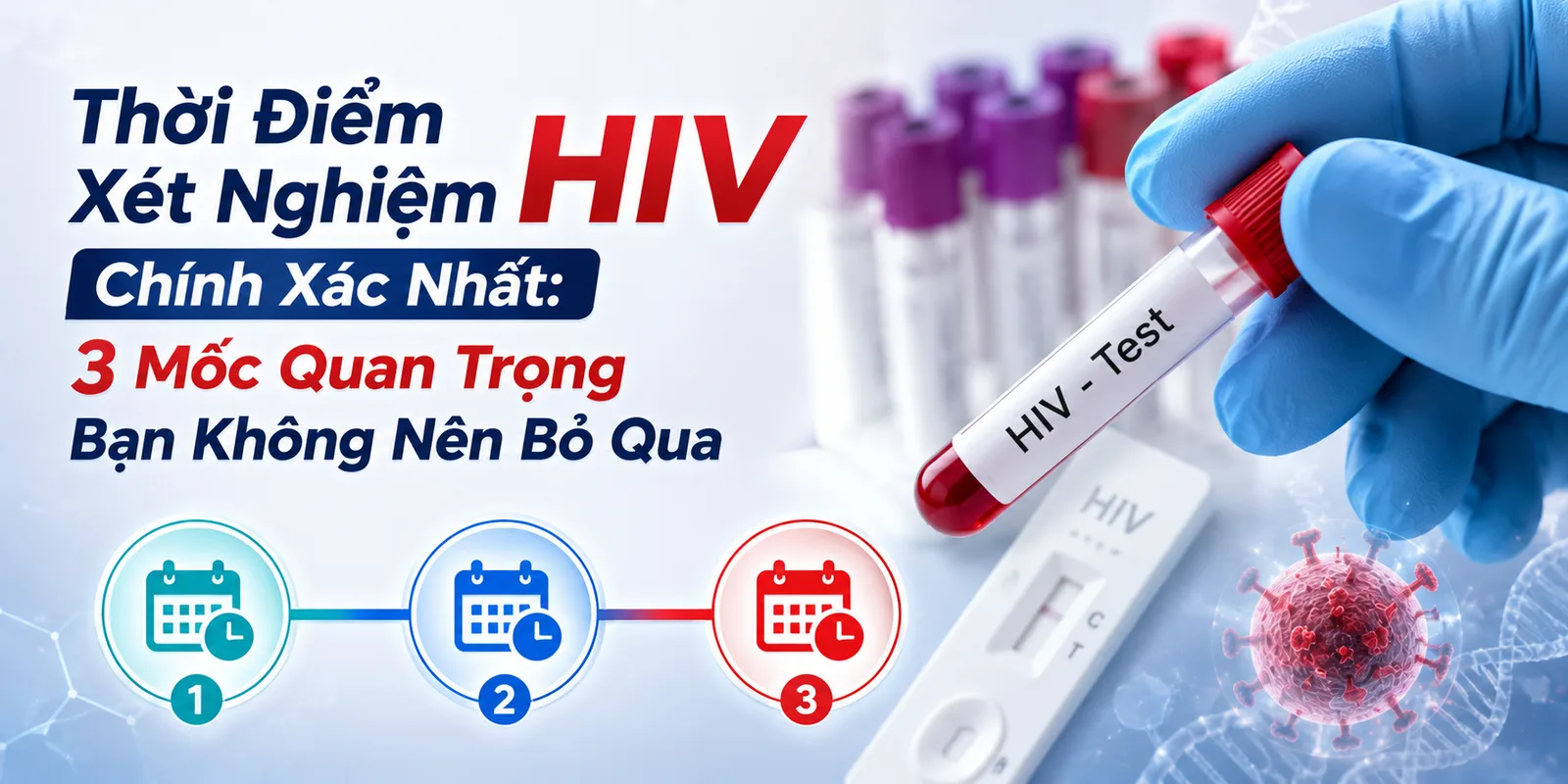
Note: Your doctor may request you to undergo multiple tests. This is because during the 'window period' (the early stage after exposure), the body may not yet produce antibodies, leading to a false-negative result. Re-testing after a certain period is necessary to confirm the accuracy of the results.
How does the HIV testing process work?
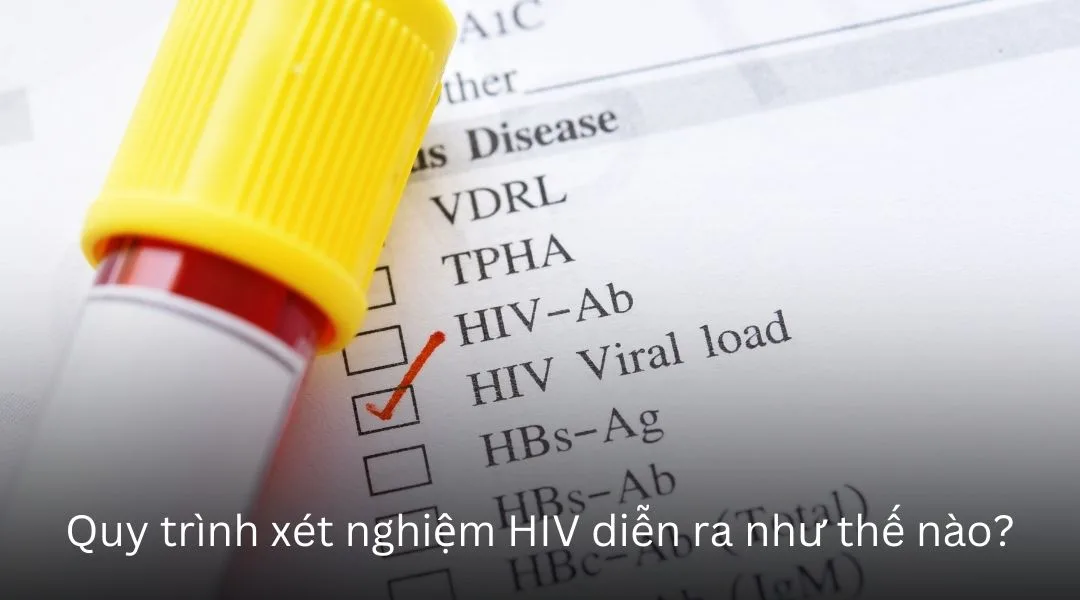
Today, accessing HIV testing services has become very convenient and quick with advanced testing technologies (a laboratory antigen/antibody test using venous blood usually detects HIV 18–45 days after exposure).
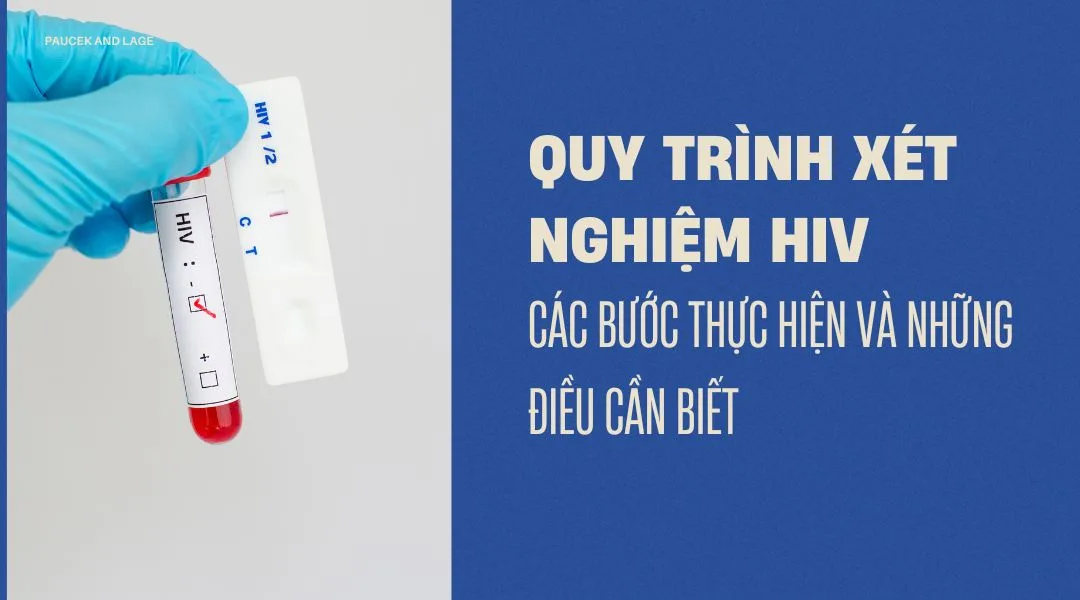
Below are the basic steps in the HIV testing process at standard medical facilities:
Initial risk assessment with a doctor
Before sample collection, a doctor or healthcare professional will have a conversation to explore your medical history and assess your risk level. This is an important step to advise on the most suitable testing method. Common risk factors include unsafe sexual practices, a history of sexually transmitted diseases, or being a victim of sexual violence.
Receive counseling and sign the consent form
After the risk assessment, the healthcare professional will explain in detail the testing method, the meaning of the results (negative, positive, window period), and the next steps. You will be asked to sign a voluntary consent form for the test. This is a mandatory principle to ensure the rights and voluntary participation of the person being tested.
Sample collection for testing
The next step involves the healthcare professional collecting a sample. The most common method is venous blood collection (or capillary blood for rapid tests). Some methods may require collecting mucosal secretions from the mouth. This process is very quick and safe.
Receiving results and guidance on next steps
The waiting time for results depends on the testing method (ranging from 15 minutes for rapid tests to several days for in-depth testing).
- If the result is Negative: The doctor will guide you on maintaining safety measures and advise on when to get retested to pass the window period.
- If the result is Positive (or suspected): You will be guided to perform a confirmatory test. If HIV infection is confirmed, the doctor will immediately refer you for early ARV treatment, while also providing psychological counseling to help you stabilize your mental state.
Note: All personal information and test results are strictly confidential according to legal regulations. Do not let fear prevent you from protecting your own health!
Further reading
This article provides general information. For decisions about diagnosis, medicines or treatment, consult a qualified healthcare professional. Service availability and costs can change; confirm with the provider before booking. Our editorial approach
Published by Love2Test — Accessible sexual health information