Health
Oral Sex, HPV and Oral Cancer Risk
Oral cancer can be related to oral sex and the HPV virus. Learn about the causes, symptoms, and effective prevention methods.
Updated


On this page
When talking about oral cancer, many people often think of those who smoke or drink alcohol heavily. However, in reality, there is another risk factor that many may not be aware of — oral sex (mouth-to-genital contact). Although this behavior is quite common in modern relationships and many believe it is "safer" than other forms of sexual activity, from a medical perspective, oral sex can increase the risk of oral cancer, especially when there is HPV (Human Papillomavirus) infection — a virus that is also the main cause of cervical cancer in women.
This article will help you understand what oral cancer is, why oral sex is related to this disease, and how we can scientifically reduce the risk without causing alarm.
What is Oral Cancer?
Oral Cancer (Oral Cancer) is a condition where abnormal cells develop in the mouth area, such as the tongue, gums, roof of the mouth, cheek lining, or the base of the tongue and tonsils. These cancerous cells can spread to the throat and respiratory system if not detected and treated in time.

Usually, oral cancer is associated with factors such as smoking, excessive alcohol consumption, and poor oral hygiene. However, in the past 10–20 years, doctors have noted a concerning trend: the number of oral cancers caused by HPV transmitted through oral sex is increasing.
What is HPV and How is it Related to Oral Cancer?
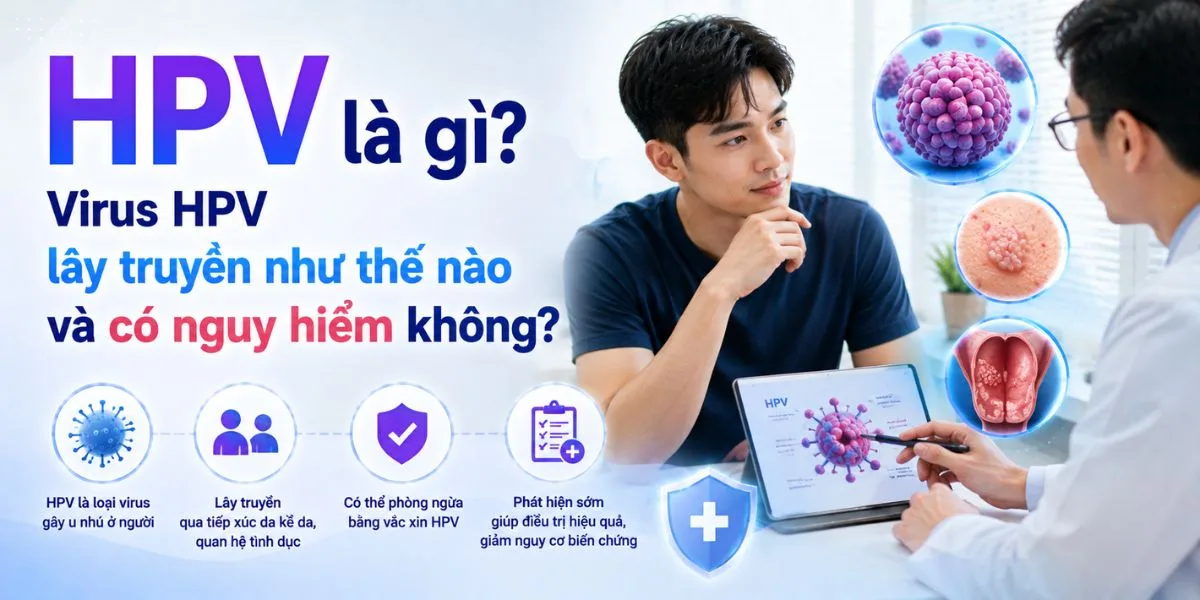
HPV (Human Papillomavirus) is a very contagious virus, especially through skin or mucosal contact during sexual activity, including vaginal, anal, and oral sex. There are currently more than 100 types of HPV, but those most closely related to oral cancer are HPV-16 and HPV-18, which are also the types that cause cervical cancer in women. When HPV enters the mouth, it can attach to tissue in the throat, tongue, or tonsils and over time may stimulate these cells to become cancerous cells, especially if the immune system is weak or there are other risk factors such as smoking.
Why Does Oral Sex Increase the Risk of Oral Cancer?

The HPV virus is transmitted through direct contact between mucous membranes. Engaging in oral sex with someone who carries HPV (even if they show no symptoms) can allow the virus to enter the mouth directly through saliva or mucous membranes.
Some risk-increasing factors include:
- Oral sex with someone infected with HPV can directly introduce the virus into the mouth
- Having multiple sexual partners increases the likelihood of exposure to HPV
- Not using protection during oral sex
- Oral mucosa damage due to sores, gum inflammation, or smoking
- Men have a higher risk than women
According to global statistics, HPV-related oral cancer in men is approximately 3–4 times higher than in women, partly due to unprotected oral sex behavior.
Warning Signs of Oral Cancer
The following symptoms may be early signs of oral cancer:
- Sores in the mouth that do not heal within 2 weeks
- Appearance of a lump or hard area in the mouth or throat
- Prolonged sore throat or difficulty swallowing
- Hoarseness without a clear cause
- Ear pain or bleeding in the mouth
- Swollen lymph nodes in the neck
- Unexplained weight loss
If you experience any of these symptoms, you should see a doctor as soon as possible because early detection is an important factor in increasing the chances of successful treatment.
Testing for HPV in the Mouth
Doctors can test for HPV in the mouth using various methods, including:
- Swab test: using a swab to collect a sample from the oral mucosa
- Biopsy: taking a tissue sample suspected of cell changes for examination
- HPV DNA test: detecting the virus's genetic material in tissue samples
These tests help detect risks at an early stage before cells develop into cancer.
Treatment for Oral Cancer
The treatment for oral cancer depends on the stage of the disease, including:
- Surgery to remove the tumor
- Radiation therapy (Radiation therapy) to kill cancer cells
- Chemotherapy (Chemotherapy) when cancer has spread
- Immunotherapy (Immunotherapy) for certain cases
If detected early, the success rate of treatment can be as high as 80–90%.
Preventing Oral Cancer

HPV Vaccine
The HPV vaccine not only helps prevent cervical cancer but also reduces the risk of oral cancer, especially with HPV-16 and HPV-18 strains.
Recommended for ages 9–26, although adults can still get vaccinated after consulting a doctor.
Use Protection During Oral Sex
Condoms or dental dams can significantly reduce the risk of HPV transmission.
Oral Health Care
Brush your teeth regularly, use mouthwash, and have dental check-ups at least once a year.
Avoid Tobacco and Alcohol
Chemicals in tobacco and alcohol can damage oral mucosa and increase cancer risk.
Regular Sexual Health Check-ups
If you are sexually active, you should get tested for sexually transmitted infections at least once a year.
Oral Cancer in the LGBTQ+ Community
Some studies show that men who have sex with men (MSM) and transgender women have a higher risk of HPV infection in the mouth compared to the general population due to:
- Higher frequency of oral sex
- Less use of protection during oral sex
- Limited access to appropriate sexual health information
- Fear of being stigmatized when seeking medical care
Therefore, raising awareness about oral cancer and HPV prevention in the LGBTQ+ community is extremely important, as this is not only a sexual health issue but also a right to access accurate health information.
Simple Ways to Reduce the Risk of Oral Cancer
- Use water-based lubricants during oral sex to reduce irritation
- Avoid oral sex when there are mouth sores
- Have regular dental check-ups with a dentist
- Have open conversations with your partner about sexual health
- Don't ignore the HPV vaccine even if you are over 26
Oral cancer is not only related to smoking or alcohol but can also be related to unprotected oral sex. It is important that we do not hesitate to talk about sexual health or prevention methods, as this is a responsibility to ourselves and our partners. When we understand HPV, get vaccinated, have regular health check-ups, and use appropriate protection, the risk of oral cancer can be significantly reduced, helping each person actively protect their health.
Read Interesting Articles
Further reading
This article provides general information. For decisions about diagnosis, medicines or treatment, consult a qualified healthcare professional. Service availability and costs can change; confirm with the provider before booking. Our editorial approach
Published by Love2Test — Accessible sexual health information