Health
HPV Vaccination: Who Should Get It and When?
The HPV vaccine prevents cervical cancer and other HPV-related diseases. See who should get it and the vaccination schedule by age.
Updated

On this page
The HPV vaccine is one of the most effective preventive measures to reduce the risk of HPV virus infection – the main cause of cervical cancer, genital warts, and many other types of cancer. This vaccine is recognized as an important tool for long-term health protection, especially when administered at the appropriate time. Many people ask: Who should get the HPV vaccine? The answer is that this vaccine is suitable for all genders and various age groups, although the recommended vaccination schedule may vary depending on age and health status. The article below will analyze in detail the groups of people who should get the HPV vaccine, while also clarifying why vaccination plays an important role in long-term disease prevention, along with medical recommendations to help you and your loved ones make an appropriate decision.
Understanding the HPV Virus
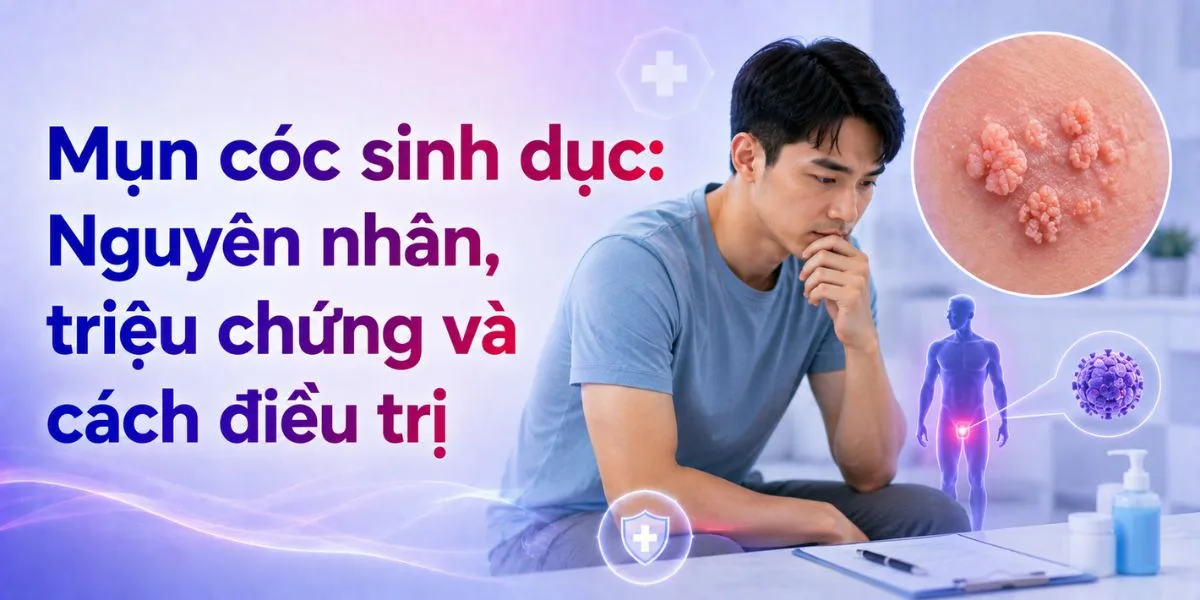
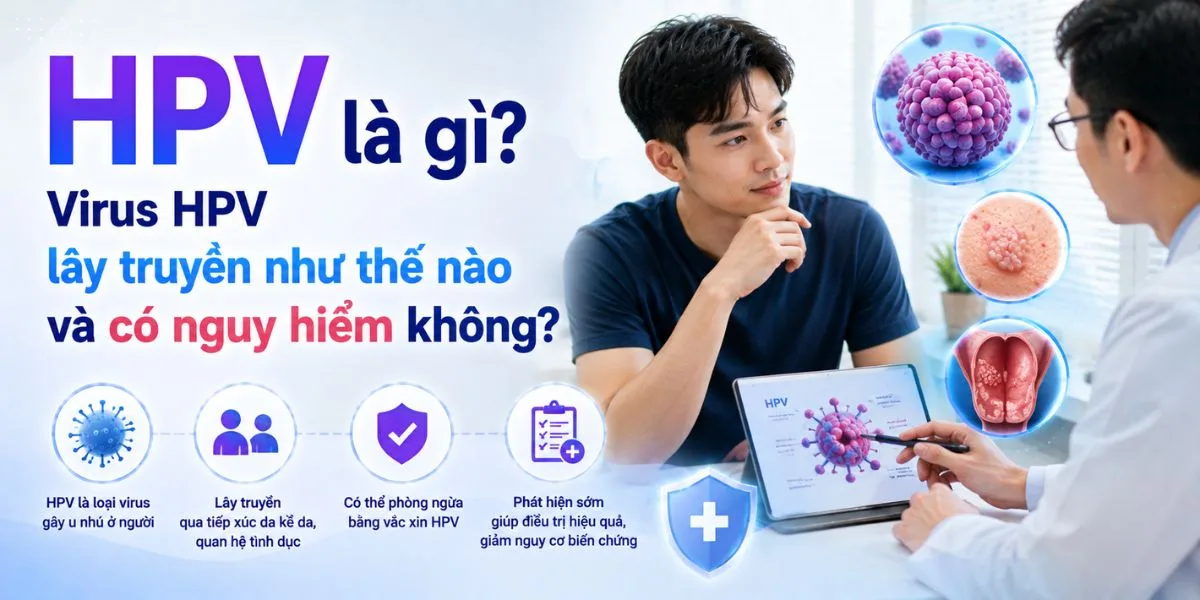
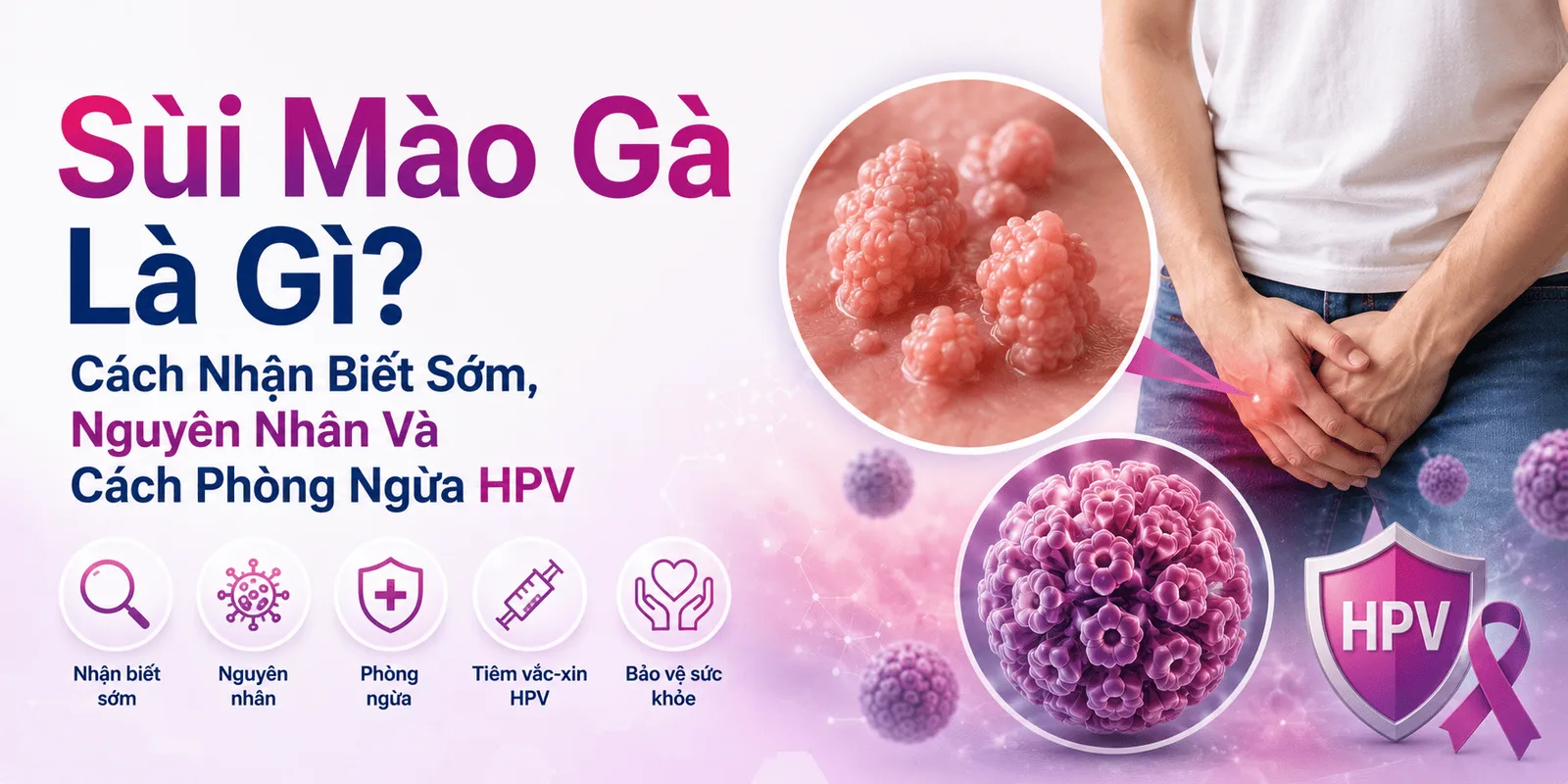
HPV (Human Papillomavirus) is one of the most common viruses transmitted worldwide, with over 100 different strains. Each strain has a different impact on the body. Common strains associated with health issues include those that cause cervical cancer, genital warts, and other cancers such as throat cancer, anal cancer in men, and genital organ cancer. Currently, the most effective prevention method is the HPV vaccine, which significantly reduces the risk of virus infection and related diseases.
What is the HPV Vaccine?
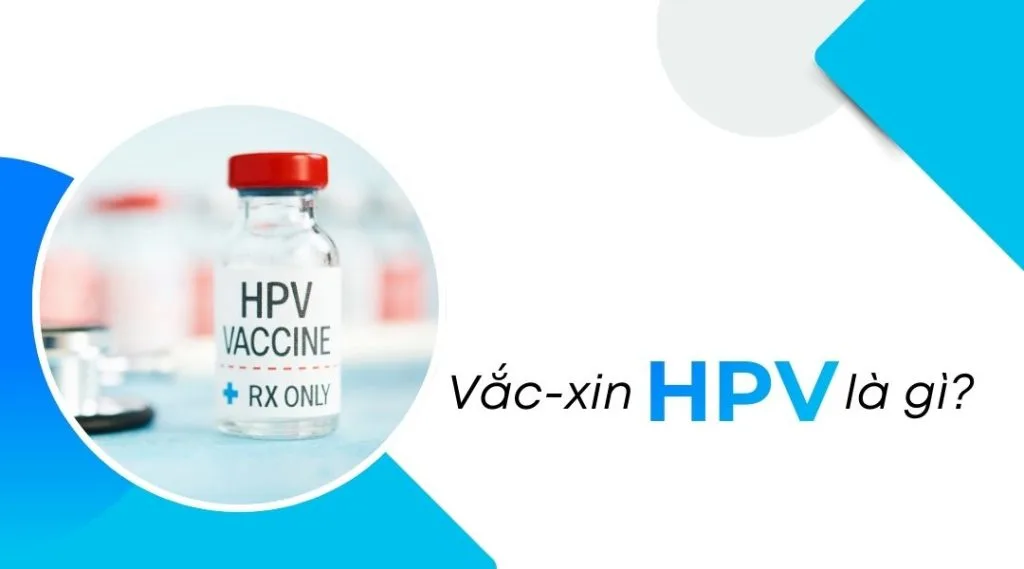
The HPV vaccine is developed to prevent high-risk HPV strains, especially strains 16 and 18 – the main causes of cervical cancer, as well as strains 6 and 11 – which commonly cause genital warts.

Available vaccine types include:
- Cervarix: Prevents strains 16 and 18
- Gardasil: Prevents strains 6, 11, 16, and 18
- Gardasil 9: Prevents strains 6, 11, 16, 18, and adds strains 31, 33, 45, 52, and 58
Who Should Get the HPV Vaccine?
To determine whether you or your loved ones should get the vaccine, recommendations are divided into age groups as follows:
1. Children and Adolescents (9–14 years old)
Reasons to get vaccinated at this stage:
This is the time when the body develops the best immune response. The immune system at this age strongly reacts to the vaccine, helping to form effective antibodies. In addition, it is recommended to get vaccinated before the risk of exposure to HPV, which is mainly transmitted through sexual contact.
Recommended vaccination schedule:
- Children aged 9–14: 2 doses
- The second dose should be administered 6–12 months after the first dose
- In cases of immunocompromise: it is recommended to receive 3 doses to increase protective effectiveness
2. Young Adults and Adults (15–26 years old)
Reasons to get vaccinated at this stage:
Those who were not vaccinated as children can still benefit significantly if vaccinated at this age, especially before exposure to the virus. Vaccination helps significantly reduce the risk of HPV-related diseases.
Recommended vaccination schedule:
- 3 doses
- The second dose should be administered 1–2 months after the first dose
- The third dose should be administered 6 months after the first dose
3. Adults (27–45 years old)
Reasons to get vaccinated at this stage:
Although many adults may have already been exposed to HPV, the vaccine can still protect against strains they have not previously been infected with. This is especially important for high-risk groups such as those with multiple sexual partners or who are starting a new sexual relationship.
Recommendation:
It is advisable to consult a doctor to evaluate medical history and risk level before deciding to get vaccinated.
High-Risk Groups Who Should Especially Consider Vaccination
- Immunocompromised individuals (e.g., those with HIV or who have had organ transplants)
- Men or women who have had same-sex sexual contact
- Individuals with a history of sexually transmitted infections
For these groups, the HPV vaccine plays a particularly important role in reducing the risk of complications and HPV-related cancers.
Benefits of the HPV Vaccine
- Reduces the risk of cervical cancer: Strains 16 and 18 cause over 90% of cervical cancer cases that can be prevented by the vaccine.
- Prevents genital warts: Strains 6 and 11 can be effectively prevented.
- Reduces infection rates in the community: Widespread vaccination contributes to community immunity.
- Reduces the risk of other cancers: Including throat cancer, anal cancer, and genital organ cancer.
Read Interesting Articles
- PEP for HIV Prevention After Exposure | Use Within 72 Hours
- Sexual Health | Understanding for a Balanced Life
The HPV vaccine is an important investment in long-term health at all ages, especially in the prevention of cancer and other HPV-related diseases. If you or your loved ones have not been vaccinated, take the initiative to consult a doctor for appropriate advice and start protecting your health today.
Further reading
This article provides general information. For decisions about diagnosis, medicines or treatment, consult a qualified healthcare professional. Service availability and costs can change; confirm with the provider before booking. Our editorial approach
Published by Love2Test — Accessible sexual health information