Health
HIV Testing: The Process, Benefits and What to Know
A guide to HIV testing, including available test types, the testing process, understanding results and benefits of knowing your status.
Updated

On this page
HIV (Human Immunodeficiency Virus) is a virus that causes acquired immunodeficiency syndrome (AIDS), considered a sexually transmitted disease. This virus attacks the immune system, making the body unable to fight off infections. If not detected and treated in time, the virus accumulation will weaken the body and progress to the final stage called AIDS (Acquired Immunodeficiency Syndrome), leading to a risk of death from opportunistic diseases.
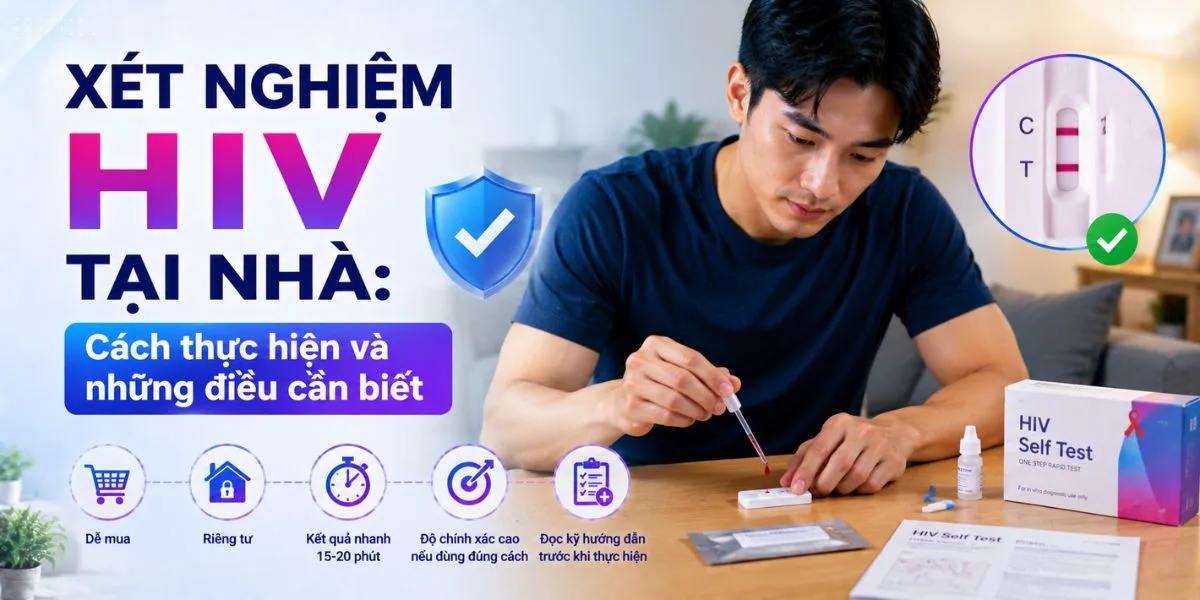
HIV Testing is one of the important and necessary health care methods that anyone can perform to protect themselves.
Stages and Symptoms of HIV
HIV infection can be divided into 3 main stages:

Acute HIV Infection
This is the first stage immediately after infection. Most patients in this stage have few abnormal symptoms, or symptoms similar to the common flu. These symptoms usually appear within 2-4 weeks after infection and may resolve on their own, making diagnosis difficult without specialized testing.
Asymptomatic Stage (Clinical Latency)
In this second stage, the patient's body usually does not show any obvious symptoms. However, the virus is still silently replicating, concentrating mainly in the lymph nodes and spleen, gradually reducing the number of CD4 cells (immune cells). This stage can last up to 10 years, depending on the individual's resistance.
AIDS (Acquired Immunodeficiency Syndrome)
This is the final stage of the HIV infection process. At this point, the immune system has been severely damaged, making the patient susceptible to dangerous opportunistic infections such as lymphoma, Kaposi's sarcoma, and other life-threatening conditions.
Who Should Undergo HIV Testing?
If you have risky behaviors or belong to the following groups, you should undergo HIV testing every 3 – 6 months or as soon as possible:
- Unsafe sexual relations (without using condoms).
- Frequently changing partners.
- Couples planning to get married or live together.
- Those planning to have children.
- Suspecting that your partner may have been infected with HIV.
- Those with tuberculosis.
- Those who have experienced sexual abuse.
Benefits of HIV Testing
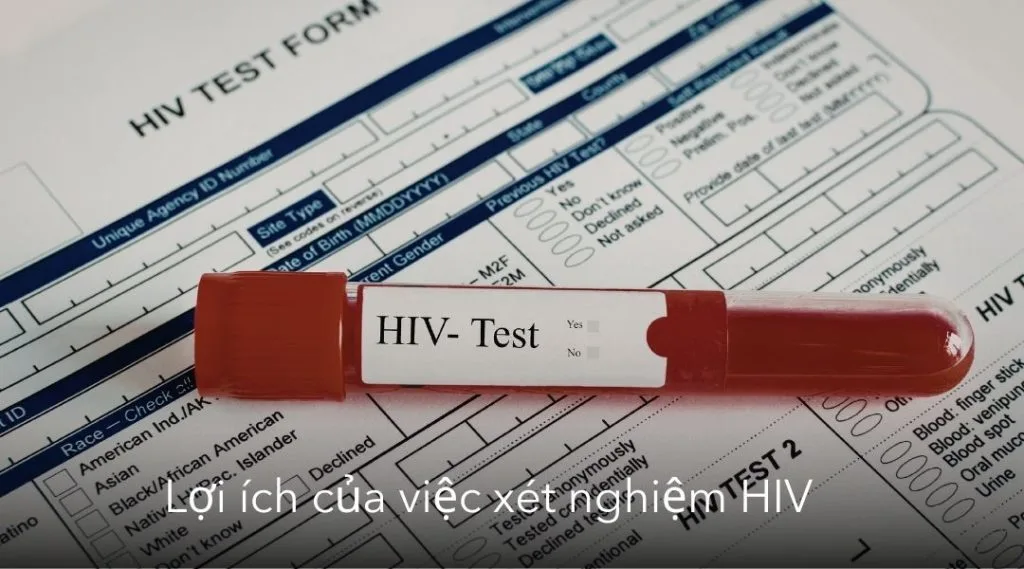
Actively undergoing testing provides many practical benefits:
- Prevention of transmission: Helps prevent the spread of the virus to others.
- Mental peace: If the result is Negative (not infected), you will relieve anxiety and have a better plan to protect yourself.
- Timely treatment: If the result is Positive (infected), you can immediately plan for treatment. Early treatment helps maintain health and does not need to wait until severe symptoms appear.
- Reduces the risk of opportunistic diseases: Limits serious health complications.
- Improves knowledge: Understands more about HIV/AIDS and other sexually transmitted diseases.
Common HIV Testing Methods Today
Currently, there are 3 main HIV testing methods widely used:
- NAT (Nucleic Acid Testing): This is the fastest method to detect the virus, which can be performed about 5-7 days after a risky behavior. This method searches for the virus's genetic material in the blood.
- Antibody Testing (Anti-HIV): This method searches for antibodies produced by the immune system to fight HIV. It is often used for people with infection risks from 2-6 weeks prior.
- PCR (Polymerase Chain Reaction): This method can be used for newborns with HIV-positive mothers or adults with risks from 2 weeks or more. This is a highly accurate genetic material testing technique.
Is the HIV Testing Process Complicated?
The HIV testing process is now simple and quick:
- Preparation: You do not need to fast or abstain from drinking like other blood tests. You can go directly to medical facilities or book an appointment in advance.
- Counseling: Before testing, you will be assessed for risk by a doctor or medical professional and given necessary information. Then, you will sign a consent form for testing.
- Blood Sample Collection: Medical staff will collect a blood sample for testing.
- Receiving Results: Depending on the testing facility, you can receive results directly or through other secure methods (email, messages, etc.).
Test results usually come in 2 forms:
- Positive (+): It means you are infected with the HIV virus. You need to contact a medical facility immediately for treatment advice.
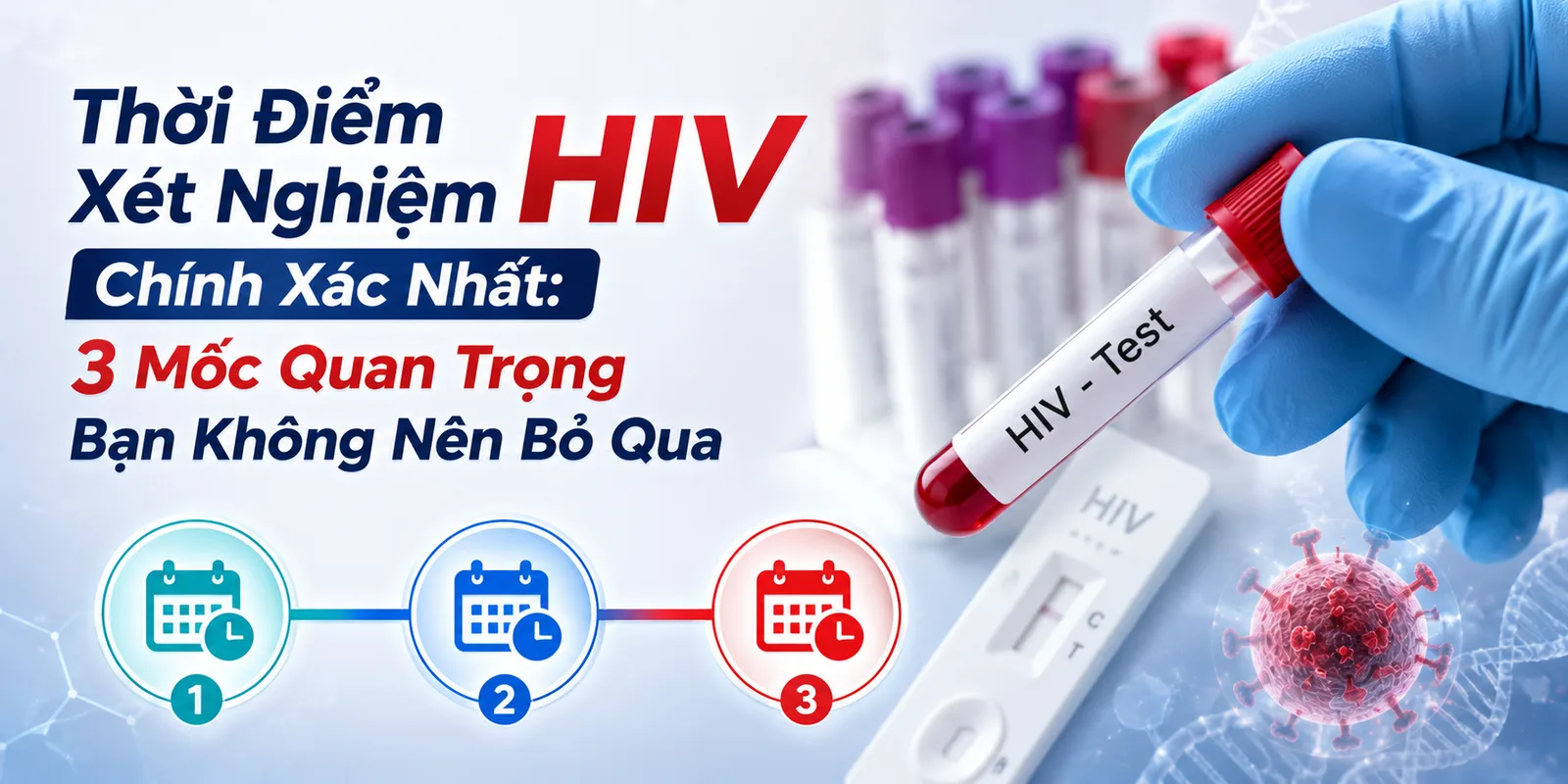
- Negative (-): It means no HIV virus was found at the time of testing. However, note about the 'window period' (incubation time), so you should retest after 3-6 months to confirm definitely.
What Should You Do If the Result Is Positive?
If the test result is positive, the first thing is not to panic. With the advancement of modern medicine, HIV can be effectively controlled with antiviral drugs (ARV).
- Go immediately to a medical facility or specialist clinic for a confirmatory test.
- Participate in the treatment process as soon as possible.
- Compliance with ARV treatment will help suppress the virus in the body, helping you maintain a healthy immune system and reduce the risk of transmission to others (message K=K: Undetectable = Untransmittable).
Is a Negative Result Reliable?
A negative result is reliable if you have undergone testing after the 'window period' (sufficient time for the virus or antibodies to appear in the blood). If you have recently had a high-risk behavior shortly before testing, the negative result at this time may be a 'false negative'. Therefore, medical professionals always advise retesting after a certain period to ensure absolute accuracy.
Is HIV Testing Confidential?
Confidentiality of information is the top principle in HIV testing. At most reputable medical facilities, your personal information and test results are kept absolutely confidential. You can completely rest assured when undergoing health checks.
Note: This article provides reference information about health. If you suspect you are at risk of HIV infection, please go to the nearest medical facility immediately for professional advice and support.
Further reading
This article provides general information. For decisions about diagnosis, medicines or treatment, consult a qualified healthcare professional. Service availability and costs can change; confirm with the provider before booking. Our editorial approach
Published by Love2Test — Accessible sexual health information