Health
HIV Testing Methods and Key Principles
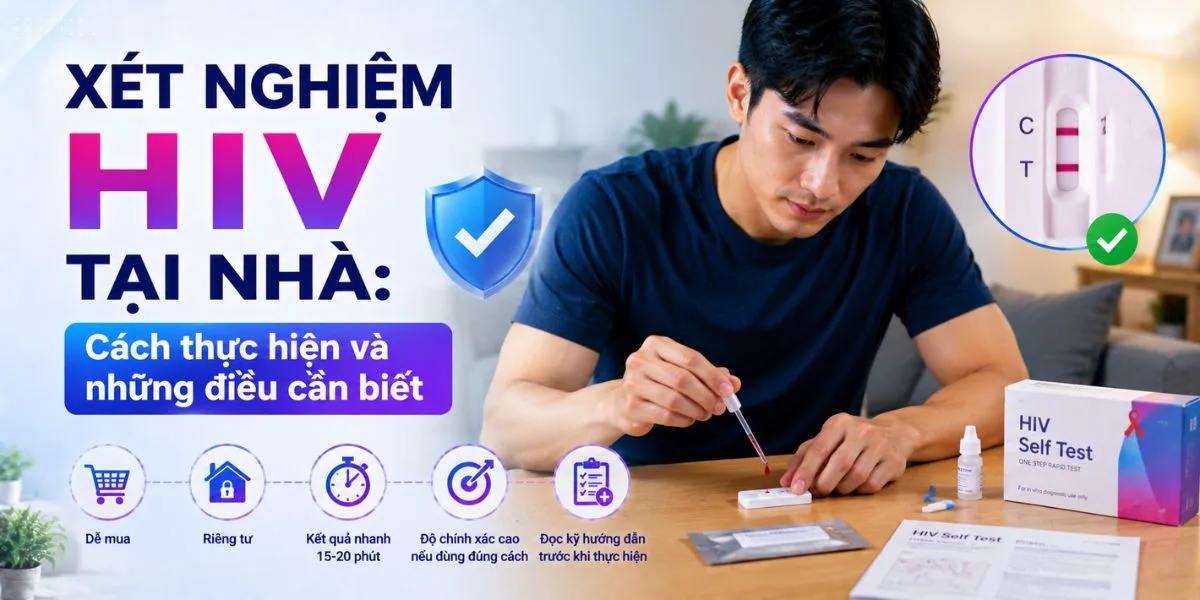
Regular HIV testing (especially for people with high-risk behaviors) provides enormous benefits.
Updated

On this page
The HIV virus is the cause of a sexually transmitted disease that many people are familiar with. Currently, medicine has not found a drug that can completely cure this disease 100%, but there are antiviral drugs (ARV) that help suppress its development. Therefore, proper prevention and HIV testing regularly (especially for people with high-risk behaviors) provides enormous benefits.
Globally, December 1st every year is chosen as World AIDS Day to raise awareness, aiming to end the HIV/AIDS epidemic, reduce new infections, reduce mortality rates, and eliminate the stigma against people living with HIV.
To prevent effectively, you need to combine several measures such as using condoms during sexual activity, avoiding high-risk behaviors, and actively undergoing regular HIV testing. Even if you think you are not at high risk, HIV testing is still very necessary because HIV in the early stage often has no clear symptoms. Knowing your health status is the best way to access timely treatment if you acquire HIV.

International Standards for HIV Testing Principles
The HIV testing process is carried out based on the 5C Principle, aiming to ensure the maximum respect and protection of the human rights of the person being tested:
- Consent (Voluntary Consent): The person participating in the test must be completely voluntary. This consent can be expressed in writing (by signing a commitment form) or verbally, depending on the regulations of the medical facility.
- Confidentiality (Confidentiality of Information): Medical facilities, whether public or private, must have absolute confidentiality measures for the test results and personal information of customers. No one is allowed to disclose this information without direct permission from the person being tested.
- Counseling (Counseling): The person undergoing the test must receive counseling from trained medical professionals, both before and after the test.
- Correct Test Result (Accurate Test Result): The service provider must ensure accurate technical procedures to provide the most reliable test results for customers.
- Connection to Care (Connection to Care): The medical facility must have an effective referral system to ensure that people with positive HIV test results can immediately access appropriate care and ARV treatment services.
Steps to Conduct an HIV Test
For those who want to check their HIV status, especially those with high-risk behaviors, the testing process usually follows these steps:
- Register and sign a consent form to voluntarily participate in the test.
- Meet with a doctor or medical professional to receive counseling and an initial risk assessment.
- Have a blood sample taken (this is the most common step).
- The blood sample is sent to the laboratory for detailed analysis and diagnosis.
- Receive the results and receive further guidance from a specialist.
Current HIV Testing Methods
Currently, at medical laboratories, there are 4 main HIV testing methods used:
Antigen Testing (HIV p24 Antigen Testing)
This method searches for the p24 antigen of the HIV virus in the blood. This method is often used for people newly exposed in the early stage, when the body has not yet produced enough antibodies (or the antibody levels are too low to detect). This test can detect the virus after approximately 2 weeks from the time the virus enters the body.
Antibody Testing (Anti-HIV Testing)
This method searches for specific antibodies produced by the immune system to fight against the HIV virus (Anti-HIV). This test can provide accurate results after approximately 3–4 weeks from the time of infection. This is the most common screening method currently recommended by doctors.
Combined Testing (HIV Ag/Ab Combination Assay)
This method uses combined reagents to simultaneously search for both the p24 antigen and HIV antibodies in the same blood sample. As a result, it helps shorten the "window period" and can detect the disease earlier than antibody-only testing.
Nucleic Acid Testing (Nucleic Acid Test – NAT)
This is the most modern method, which directly detects the genetic material (RNA) of the HIV virus in the blood. A NAT usually detects HIV 10–33 days after exposure. However, due to high costs and complex procedures, this method is usually used only in special cases or in blood donation screening, rather than for general population screening.
Frequently Asked Questions About HIV Testing (FAQ)

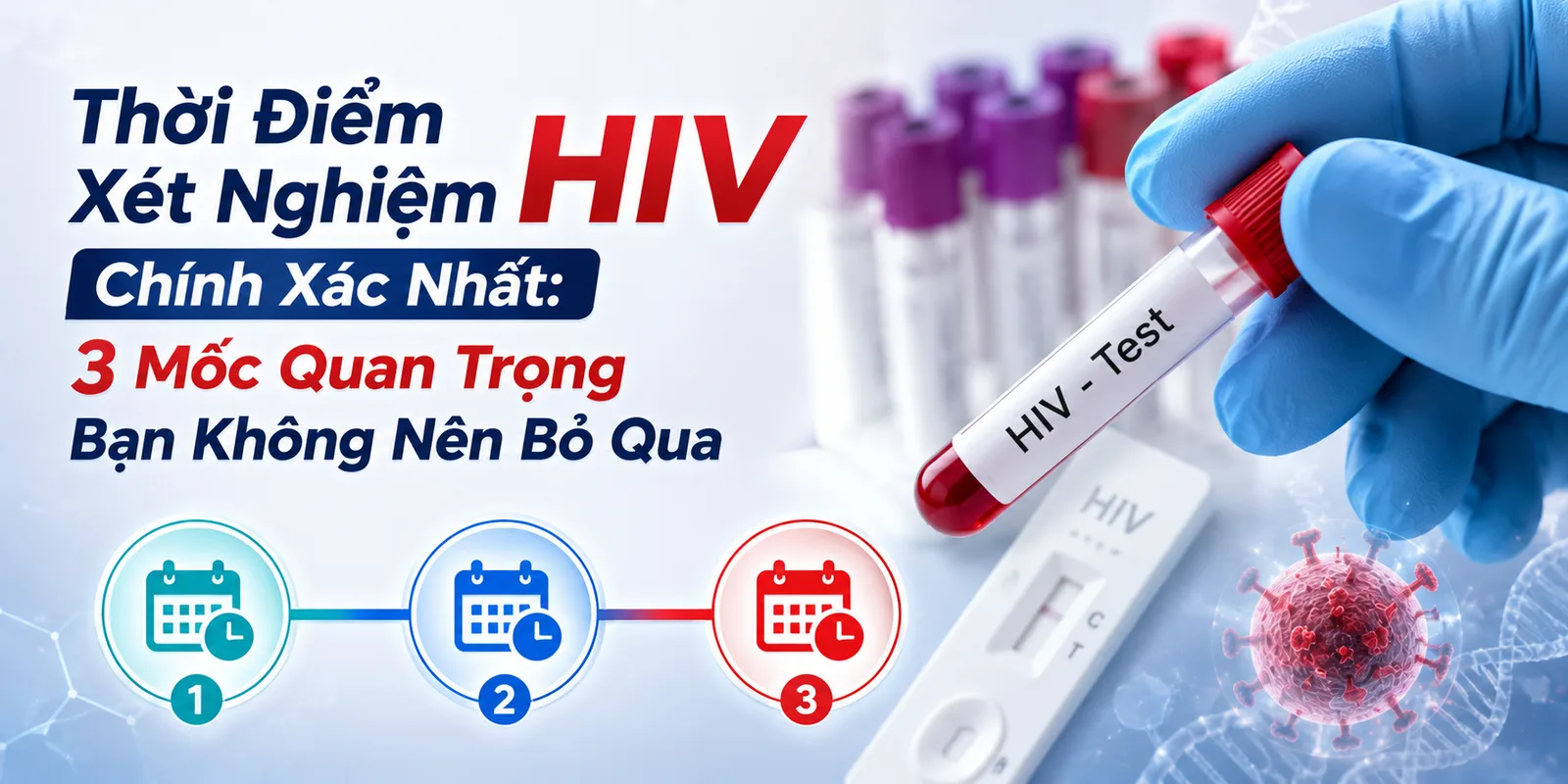
When should you get an HIV test? You should get tested approximately 2–4 weeks after a high-risk behavior. For absolute accuracy, you should get retested after 3 months.
Does a negative test result mean you are definitely not infected with HIV? Not necessarily. This depends on the time of your test. If you test too early during the "window period" (when the body has not yet produced enough antibodies/antigens), the result may be a false negative. Therefore, retesting after 3 months is very important.
How much does an HIV test cost? The cost depends on the medical facility. Many public hospitals or HIV/AIDS prevention centers provide free testing services. For private clinics, the cost varies depending on the testing method you choose.
Do you need to get tested if you had only one unsafe sexual encounter? Yes. Infection risk can occur even if you have only one unsafe sexual encounter.
Is the information from an HIV test kept confidential? Definitely. The information of the service user is kept absolutely confidential. At many facilities, you can even use a pseudonym or code number instead of your real name.
Summary
In summary, proactively getting an HIV test using any method provides practical benefits for you. Knowing your status helps you plan your future protection if the result is negative. Conversely, if the result is positive, you will receive early treatment, prevent transmission to the community, and minimize the risk of serious opportunistic infections.
Further reading
This article provides general information. For decisions about diagnosis, medicines or treatment, consult a qualified healthcare professional. Service availability and costs can change; confirm with the provider before booking. Our editorial approach
Published by Love2Test — Accessible sexual health information