Health
Negative HIV Test Result: What Does Not Detected Mean?
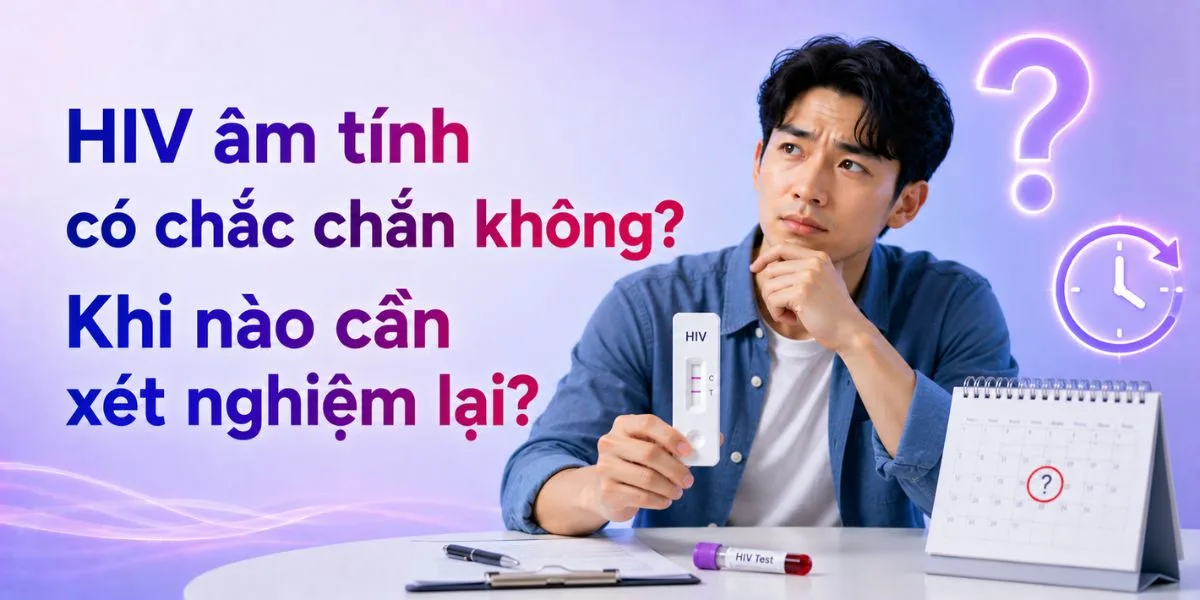
Many people wonder about the results of a negative HIV test. Does this result guarantee absolute safety?
Updated

On this page
Many people wonder about the HIV negative test results. Does this result guarantee absolute safety? HIV is a sexually transmitted disease. This disease weakens the immune system of the body. The danger is that the disease often has no initial symptoms. Patients usually discover the disease when it has already become severe. This increases the risk of opportunistic infections. They can also accidentally transmit the virus to others. Therefore, you need to actively check your health. Regular testing helps protect yourself. If detected early, treatment is very effective. People infected with HIV can still live a healthy and normal life.
HIV testing today is very simple and quick
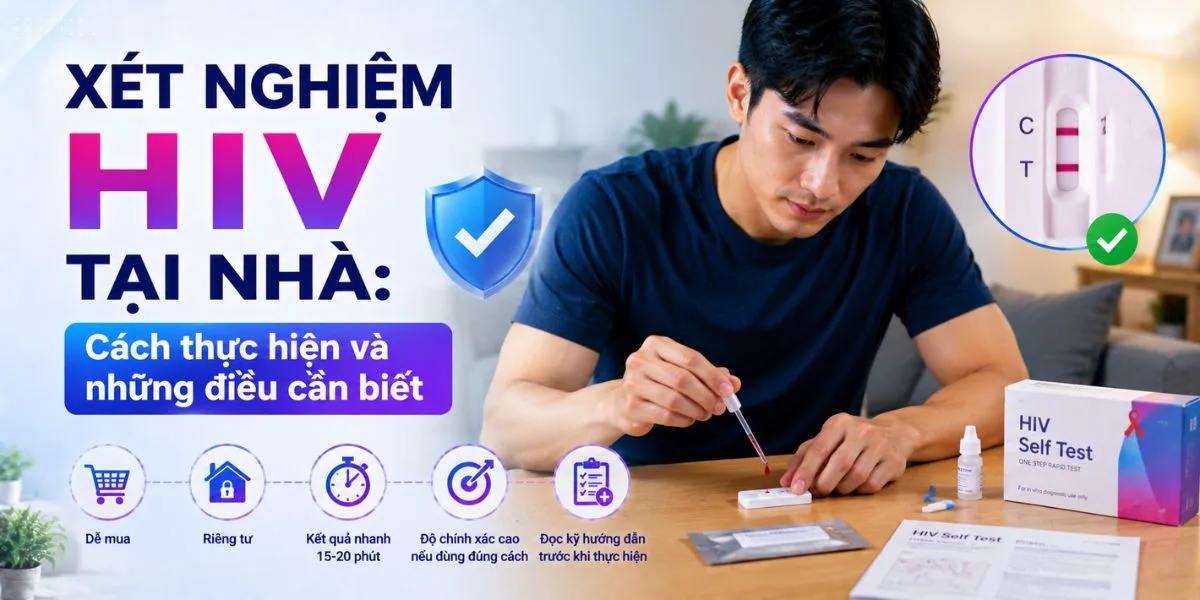
In the past, many people thought HIV testing was very complicated. This process was also considered to take a lot of time. This was due to the limitations of the medical field in the past. The situation today is completely different. The testing process occurs very quickly.
Advanced medical technologies help shorten the time. You can easily access this service. Hospitals and specialized clinics are all available. This convenience helps people protect their health more easily.

Negative HIV test result: Is it really safe?
When receiving a negative result, many people feel reassured. However, there are many factors that affect this result. Sometimes the body has already been infected with the virus, but the test has not yet detected it. Below are some common reasons you need to be aware of:
Time gap from exposure (Window period)
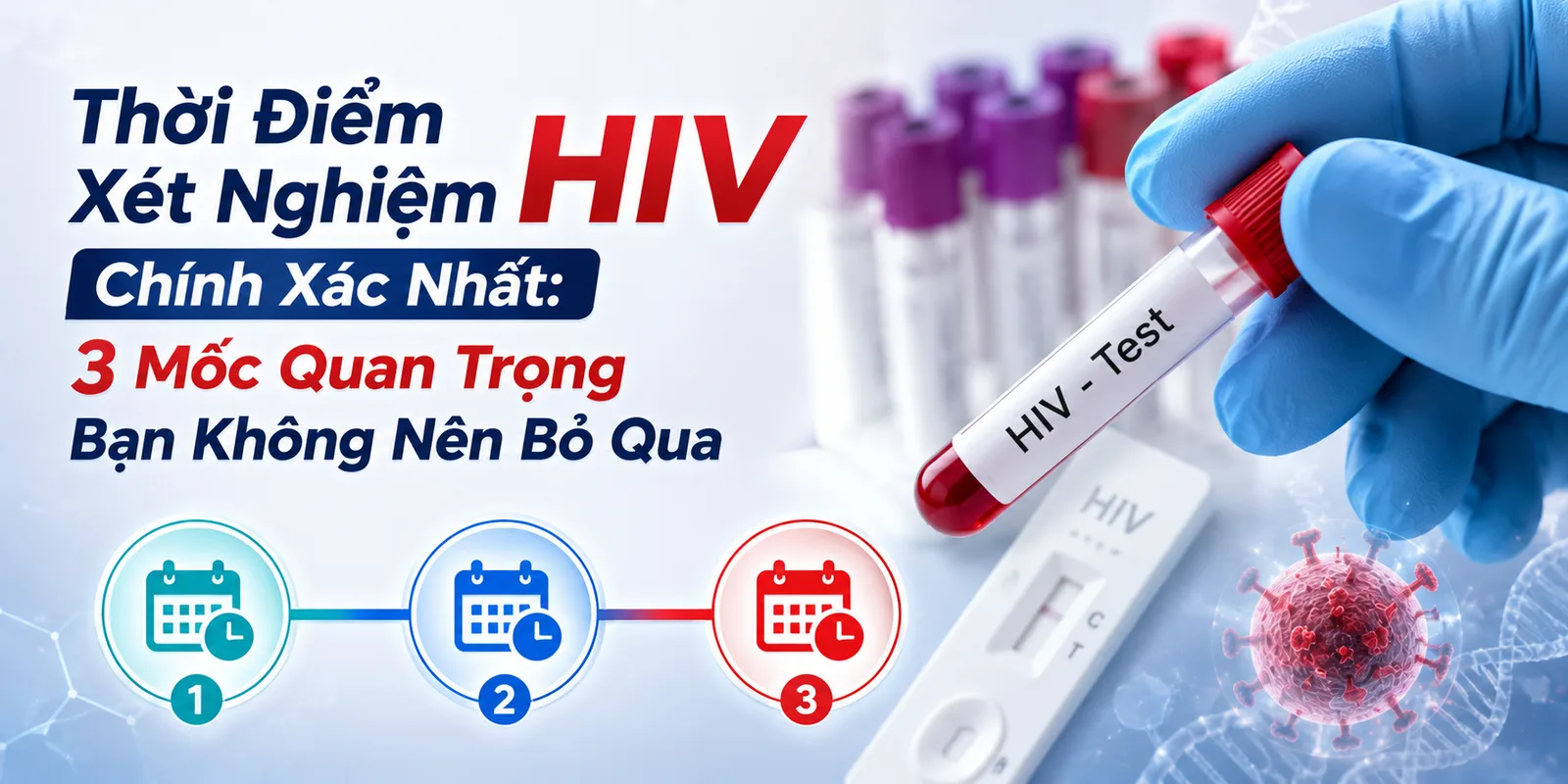
The most common reason is due to the low viral load. The test usually only detects when the viral load is large enough. This amount is usually between 20 to 50 copies in the blood. If the test is done too early, the negative result may be incorrect. This period is called the "window period".
There is now a NAT testing method that can detect the virus very early. However, this method is relatively expensive. It is also not widely available at all medical facilities. It is best to ask your doctor about the timing of the test. If the first test is negative, doctors usually recommend retesting. You should repeat the test after about 3 months to confirm for sure.
Currently using continuous antiviral drugs (ARV)
Another reason is that the patient is using ARV drugs. Taking ARV drugs continuously for more than 6 months can reduce the virus. The viral load in the blood may drop below 50 copies. At this point, the test will return a negative result. However, this does not mean the body has recovered from the disease. The virus is only temporarily suppressed. If you stop taking the medication, the virus will multiply again very quickly. The resurgence time is only 1 to 2 weeks. If you are using preventive medication, you should inform your doctor. You need to inform your doctor before undergoing medical tests.
The major benefits of regular HIV testing
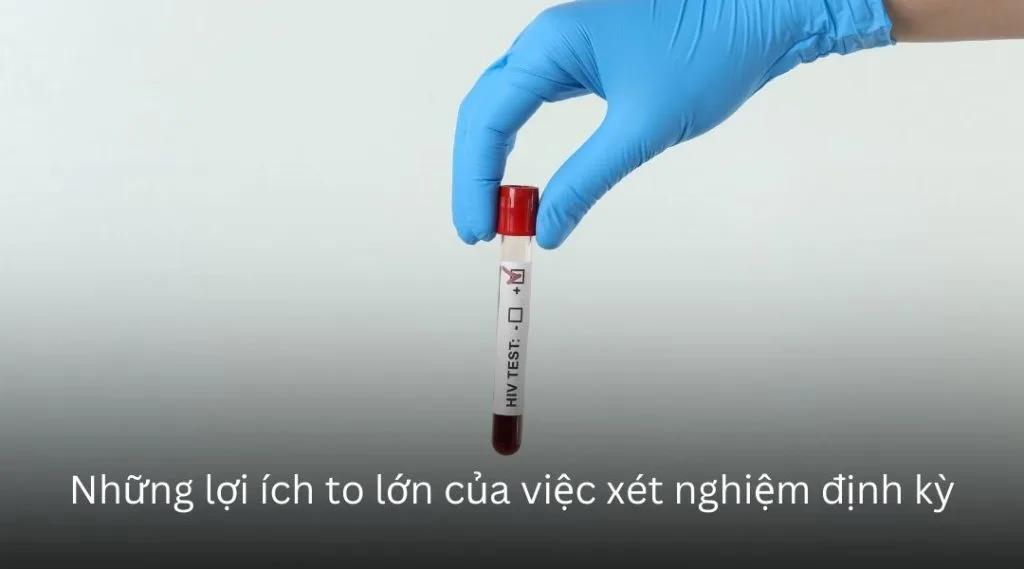
Actively checking your health brings many benefits:
- Helps you know your exact health status.
- Patients can receive immediate treatment with ARV drugs.
- Infected individuals can maintain their immune system and live healthily.
- Prevents the risk of transmitting the virus to the community.
- Pregnant women can plan prevention for the fetus.
- Provides knowledge to reduce anxiety.
In summary, do not be complacent with your first HIV negative test result. This result cannot guarantee 100% safety. You may still be in the "window period". The best way is to avoid high-risk behaviors that could lead to infection. Follow your doctor's recommended schedule for retesting. You should only feel reassured when a specialist doctor has confirmed it.
Further reading
This article provides general information. For decisions about diagnosis, medicines or treatment, consult a qualified healthcare professional. Service availability and costs can change; confirm with the provider before booking. Our editorial approach
Published by Love2Test — Accessible sexual health information