Health
HIV Blood Tests: What They Detect and Why They Matter
An HIV blood test helps detect the virus early, enables timely treatment, prevents transmission, and effectively protects individual and community health.
Updated

On this page
An HIV blood test is one of the most important steps in healthcare, playing an essential role in treatment, prevention, and providing reassurance for the person being tested. An HIV blood test not only allows those infected to begin treatment early but also plays an important role in preventing the transmission of the virus to others, while also raising community awareness about HIV.
Early diagnosis and treatment
An HIV blood test is the starting point for effective treatment. Currently, antiretroviral drugs (ARV) help people living with HIV maintain a good quality of life and a long lifespan. Detecting HIV at an early stage allows for rapid control of the viral load, preventing immune system decline and reducing the risk of opportunistic infections or certain types of cancer.
Medically, people who start ARV treatment when their immune system is still strong have a higher chance of recovering their health compared to those who start treatment late. Early treatment helps reduce the viral load to an undetectable level (Undetectable Viral Load). This not only protects the patient's health but also significantly reduces the risk of transmitting HIV to others.
Who should get an HIV blood test?
Groups that should undergo an HIV blood test include:
- People who have had unsafe sexual relations or have multiple partners
- People who share needles or injection equipment
- Couples planning to have children
- Healthcare workers at risk of exposure
- People who have been exposed to blood or bodily fluids that may be infected with HIV
- Couples planning to get married
- People who are interested in regular health check-ups
Even without risky behaviors, regular HIV testing is recommended as part of a general health check-up.
Preventing the transmission of HIV
An HIV blood test is not only important for the individual but also has a direct impact on protecting partners and loved ones. When individuals are aware of their infection status, they can apply appropriate prevention measures such as:
- Using condoms correctly and consistently
- Informing partners or spouses of their infection status
- Using pre-exposure prophylaxis (PrEP) for those who are not infected
The concept of “U=U” (Undetectable = Untransmittable – Undetectable = Non-transmissible) has been widely recognized in medicine. This confirms that people living with HIV who maintain an undetectable viral load can have a safe sex life without transmitting the virus.
Enhancing reassurance and reducing anxiety
Anxiety about HIV status can affect mental health and quality of life. An HIV blood test helps eliminate uncertainty. If the result is negative, the person can feel reassured and adjust their behavior to prevent future risks. If the result is positive, early detection allows for timely access to treatment and professional counseling. This provides benefits both physically and mentally.
Raising community awareness
An HIV blood test contributes to building a more informed and non-discriminatory society for people living with HIV/AIDS. When testing becomes a routine part of healthcare, social attitudes will become more positive, helping reduce psychological barriers and increase early detection rates in the community.
Preventing long-term complications
If not tested and treated in time, HIV can severely weaken the immune system, leading to complications such as tuberculosis, pneumonia, or certain types of cancer. An HIV blood test and continuous treatment help prevent the disease from progressing to AIDS, while maintaining a normal and healthy life.
Significance in family and future planning
An HIV blood test has important significance in marriage and family planning. Couples should get tested before marriage or pregnancy to ensure safety for both partners and reduce the risk of mother-to-child transmission. Knowing the HIV status helps doctors develop appropriate treatment and prevention plans.
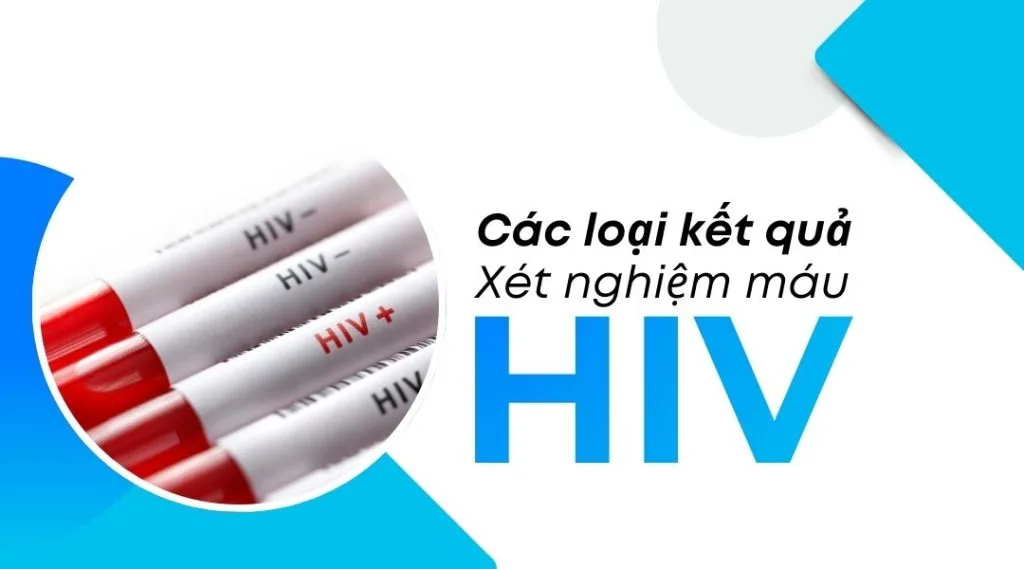
Types of HIV blood test results
1. Negative result (Negative)
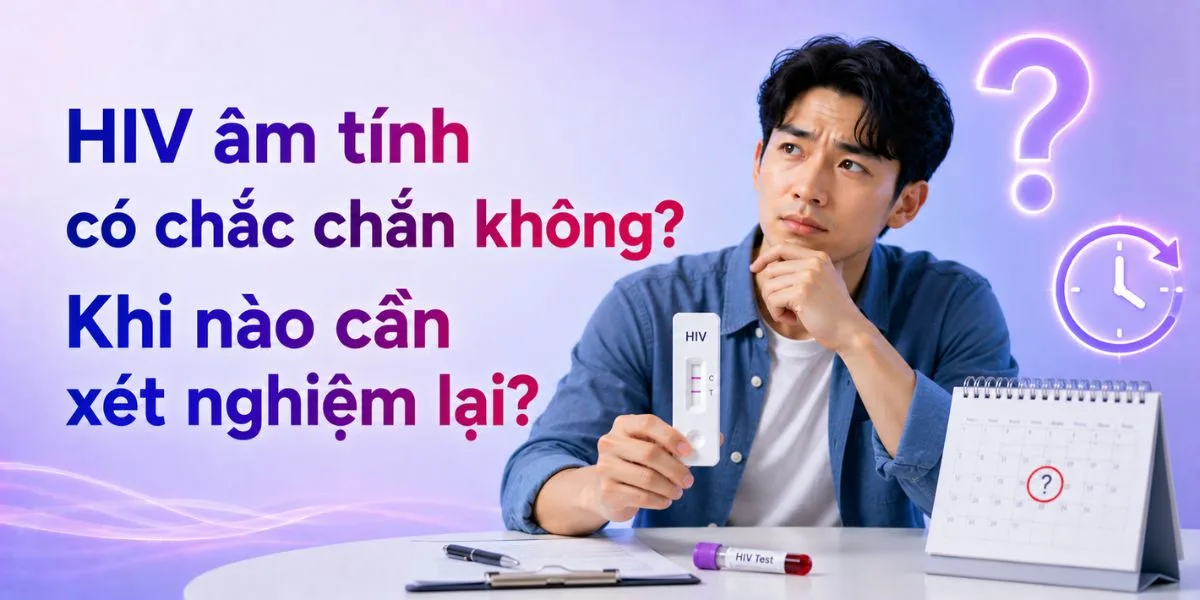
A negative result means that HIV has not been detected in the blood sample. However, if the test is done during the “window period,” the body may not have produced enough antibodies to be detected.
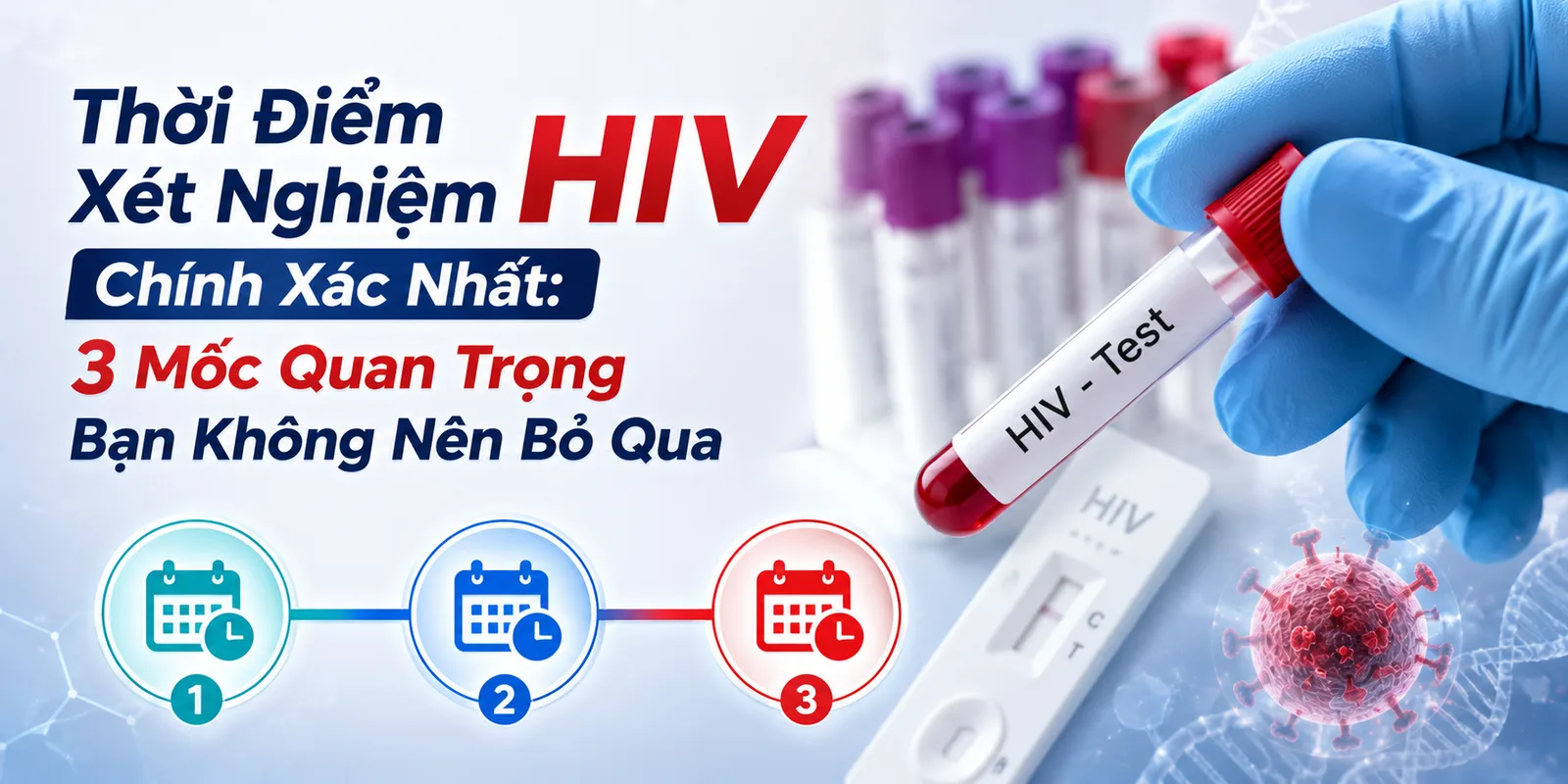
- If there has been recent risky behavior (2–4 weeks), it is advisable to get retested as advised by a healthcare professional.
- To ensure high accuracy, it is recommended to get tested at least 1–3 months after the risk period.
2. Positive result (Positive)
A positive result needs to be confirmed with more specialized tests such as Western Blot or NAT.
If confirmed as HIV positive:
- You should consult a doctor for advice and start ARV treatment as soon as possible.
- With appropriate treatment, people living with HIV can live long and healthy lives.
Does an HIV blood test hurt?
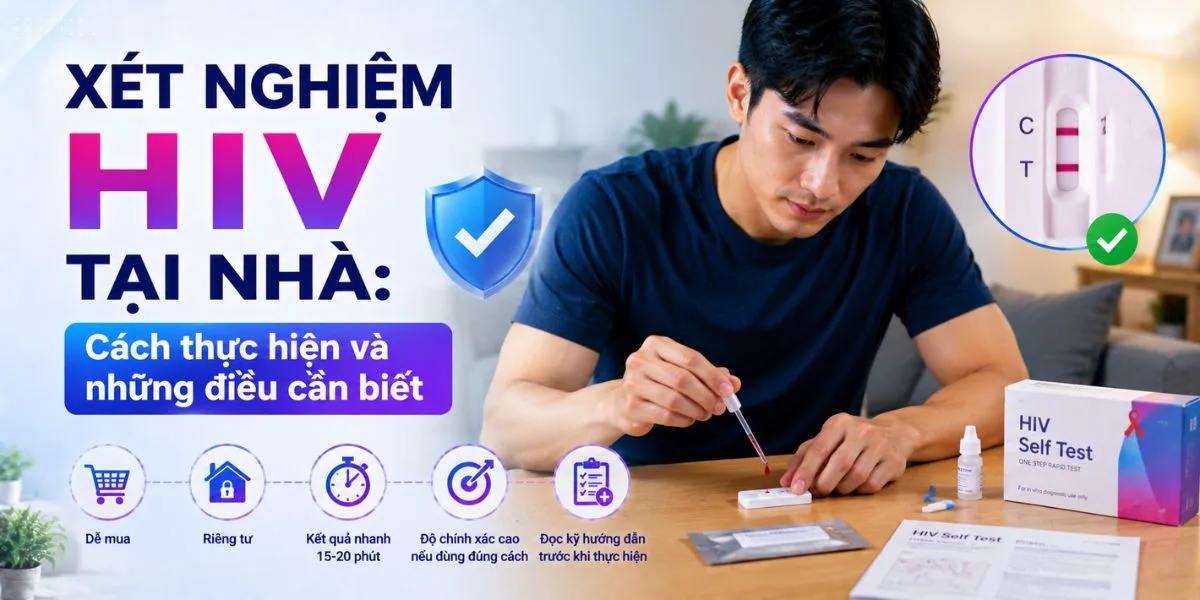
An HIV test usually does not cause significant pain. The method of pricking the fingertip only causes a slight pinching sensation for a very short time. Drawing blood from a vein is a common medical procedure performed by trained professionals. Any discomfort, if present, will quickly disappear.
Do you need to fast before an HIV test?
Normally, you do not need to fast or avoid drinking before an HIV test because this test detects HIV antibodies or antigens, which are not related to blood sugar or cholesterol levels. However, it is advisable to avoid alcohol before the test and to rest well to ensure a stable mental state.
How often should you get an HIV test?

- People without high risk: should get tested once a year.
- People with high-risk behaviors: should get tested every 3–6 months as recommended by medical professionals.
Regular HIV testing not only helps detect infection but is also a long-term strategy for protecting health and contributes to disease control in the community.
An HIV blood test is not only a diagnostic tool but also an active measure to protect personal and community health. Early detection, timely treatment, and adherence to medical follow-up are the keys to reducing HIV transmission and ensuring a sustainable quality of life for those infected.
References
- UNAIDS. (2022). Global HIV & AIDS statistics — Fact sheet.
Accessed from https://www.unaids.org - Centers for Disease Control and Prevention (CDC). (2022). HIV detection.
Accessed from https://www.cdc.gov/hiv/testing - World Health Organization (WHO). (2021). Integrated guidelines on HIV testing services.
Accessed from https://www.who.int
Further reading
This article provides general information. For decisions about diagnosis, medicines or treatment, consult a qualified healthcare professional. Service availability and costs can change; confirm with the provider before booking. Our editorial approach
Published by Love2Test — Accessible sexual health information